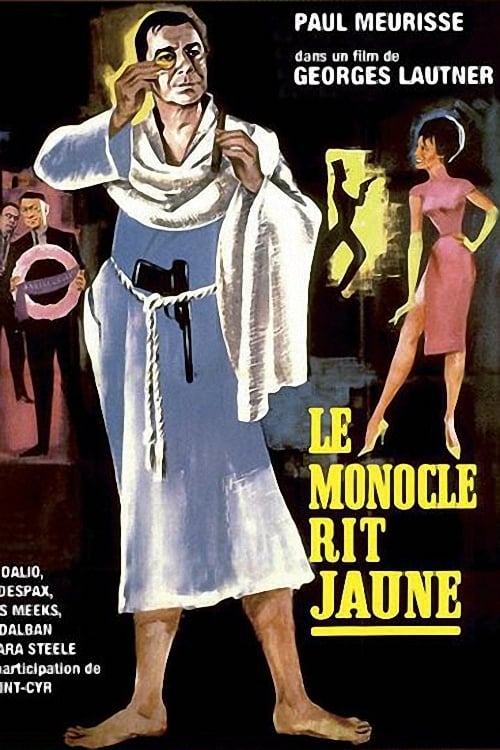
The Monocle's Sour Laugh
1964
No user ratings available yet
Representation score: 3.0 out of 10
Representation Score
Limited
1964
Director
Jean-Pierre Mocky
Runtime
89 minutes
Average Rating
No ratings yetNew Showbiz Analysis
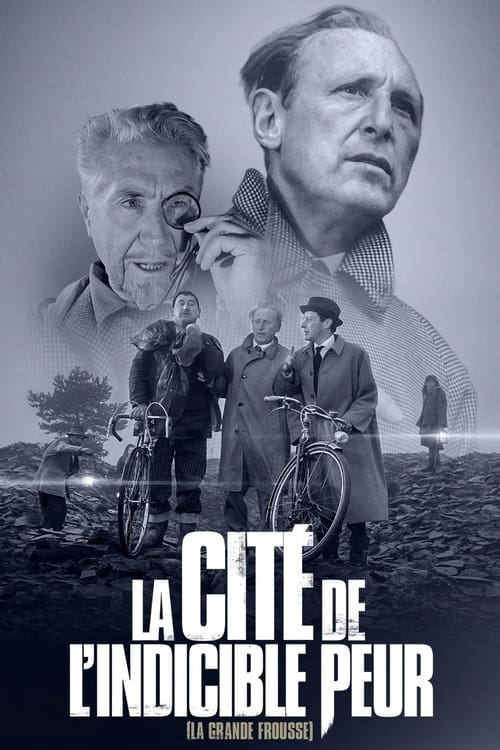
The Big Scare is a genre-driven piece of mid-century French cinema that prioritizes procedural conflict over identity-based representation. While it lacks diverse representation in terms of race, gender, and sexual orientation, it finds its strength in its subversive cultural perspective. Jean-Pierre Mocky uses the comedy-thriller framework to challenge social hierarchies. Instead of presenting the police as pillars of order, the film leans into satire to critique systemic authority. Ultimately, the film reflects the demographic limitations of its era while offering a cynical, morally relativistic view of the institutions it depicts.
Category Breakdown
The film does not include explicit LGBTQ+ characters or narratives. It adheres to the assumption that everyone is straight or cisgender, which is typical of 1960s French crime cinema.
ability to act is concentrated within the male protagonists, specifically the two police inspectors. The film follows traditional gendered hierarchies common to mid-century thrillers.
The cast appears relatively homogeneous, reflecting the standard demographic presentation of the 1964 French cinematic landscape. There is no significant non-majority representation.
The film offers a satirical critique of institutional authority. It frames the legal system through a lens of absurdity rather than moral stability.
There is no discernible evidence regarding the inclusion or portrayal of characters with physical or neurodivergent disabilities.
Present on Screen
Limited or Absent
Official Synopsis
Two police inspectors pursue a dangerous counterfeiter on the run.
1964
1975
1986
1968
1959
1965

1980
1966
No reviews yet. Be the first to share your thoughts on this movie!
Use the rating form above to leave a star rating and optional review.