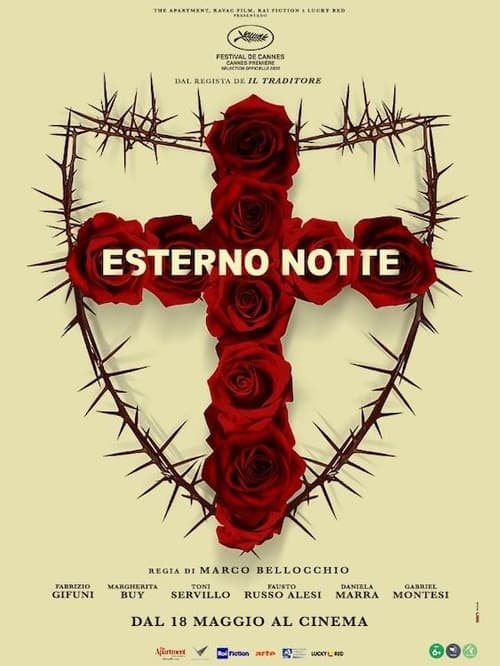
Esterno Notte - Prima Parte
2022
No user ratings available yet
Representation score: 6.0 out of 10
Representation Score
Good
2003
Director
Marco Bellocchio
Runtime
106 minutes
Average Rating
No ratings yetNew Showbiz Analysis
Marco Bellocchio’s work is a sophisticated deconstruction of institutional power and social control. By focusing on the tension between individuals and the state, the film challenges traditional hierarchies and the medicalization of dissent. The film's strength lies in its intellectual depth, particularly regarding mental health and the critique of Western authority. However, it remains limited by its historical setting, which results in a lack of racial and LGBTQ+ visibility. Ultimately, the film is a powerful study of systemic oppression, though it prioritizes political and psychological subversion over broad demographic representation.
Category Breakdown
The film does not explicitly include LGBTQ+ identities or non-straight relationships. While it explores the complexity of human emotions, it does not provide much visibility for LGBTQ+ communities through its characters.
The narrative challenges traditional gender roles by showing the conflict between individuals and patriarchal institutions. It portrays male-dominated political and medical establishments as controlling forces, countered by female perspectives.
Set in 1970s Italy, the film has a mostly uniform cast. It avoids harmful stereotypes but does not intentionally include diverse racial backgrounds or dynamics to drive the plot.
The film effectively critiques Western institutionalism and state authority using a lens of moral relativism. It questions the definitions of sanity and the restrictive nature of the system.
The film offers a nuanced portrayal of neurodivergence and mental health. Psychiatric patients are given meaningful roles and tragic histories, rather than being used merely as plot devices or medical conditions.
Present on Screen
Limited or Absent
Official Synopsis
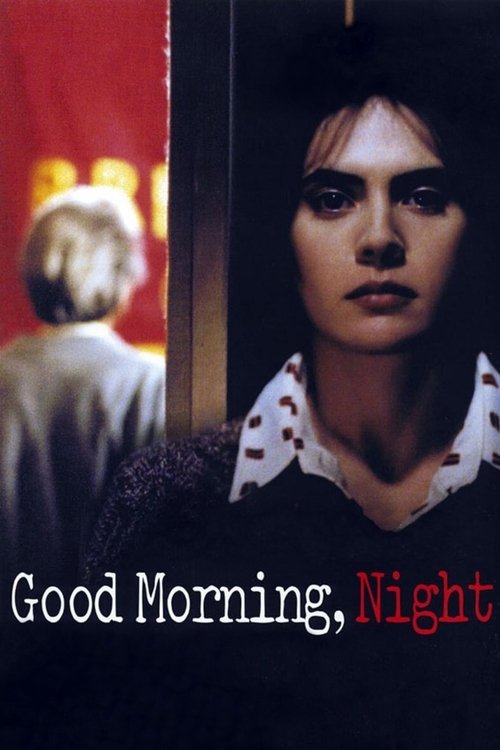
The 1978 kidnapping and murder of Aldo Moro, president of the most important political party in Italy at the time, Democrazia Cristiana, as seen from the perspective of one of his assailants -- a conflicted young woman in the ranks of the Red Brigade.
2022

1971
2022

2009
1986
2017

2023
1972
No reviews yet. Be the first to share your thoughts on this movie!
Use the rating form above to leave a star rating and optional review.