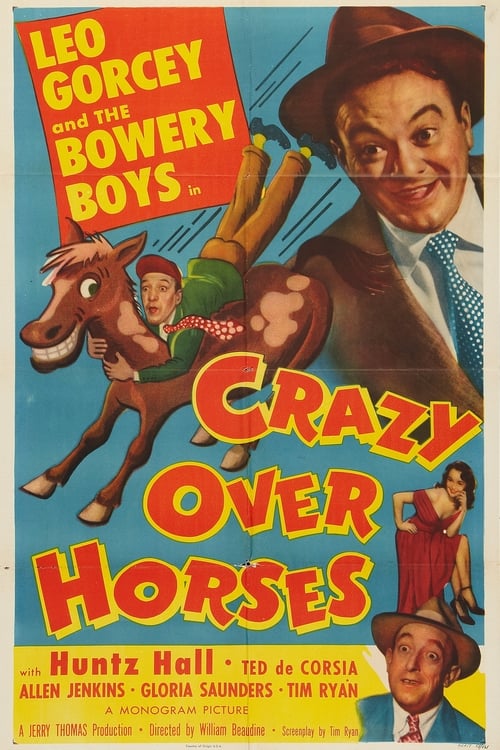
Crazy Over Horses
1951
No user ratings available yet
Representation score: 1.3 out of 10

Representation Score
Minimal
1923
Director
Robert F. McGowan
Runtime
27 minutes
Average Rating
No ratings yetNew Showbiz Analysis
Derby Day is a traditional silent-era comedy that fits within the standard social norms of the early 1920s. The film emphasizes situational humor and ensemble play among children, focusing on recreational activities rather than social commentary. The production does not intentionally disrupt social hierarchies. Instead, it reflects the homogeneous casting and rigid social norms of the silent film era. Ultimately, the film remains a traditional piece of juvenile comedy that aligns with the social standards of its time.
Category Breakdown
The film does not include any characters with LGBTQ+ identities or same-sex relationships. There are no queer themes or depictions in the story.
The story revolves around a group of children but does not show any strong roles for girls. It likely follows traditional gender stereotypes common in 1920s comedies.
The film probably has a mostly white cast, reflecting the industry standards of 1923. There is no evidence of significant non-white representation.
The plot centers on Western leisure activities like horse racing. It functions as a typical observational comedy without challenging religious or cultural norms.
There are no characters with visible or invisible disabilities in the film. No such characters play a central role in the narrative.
Present on Screen
Limited or Absent
Official Synopsis
After the gang goes to the horse races, they decide to have a derby of their own.
1951
1928
1924
1937
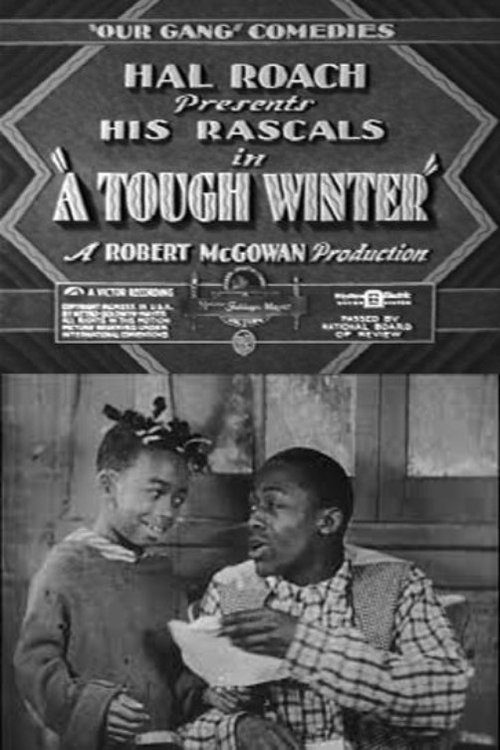
1930
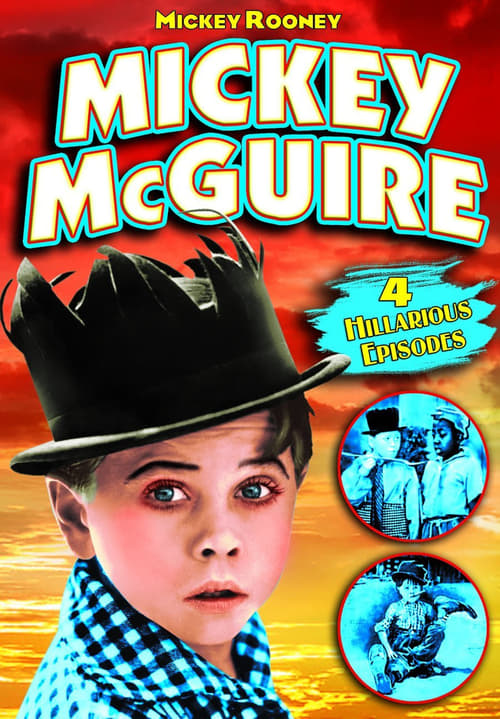
1933
1946
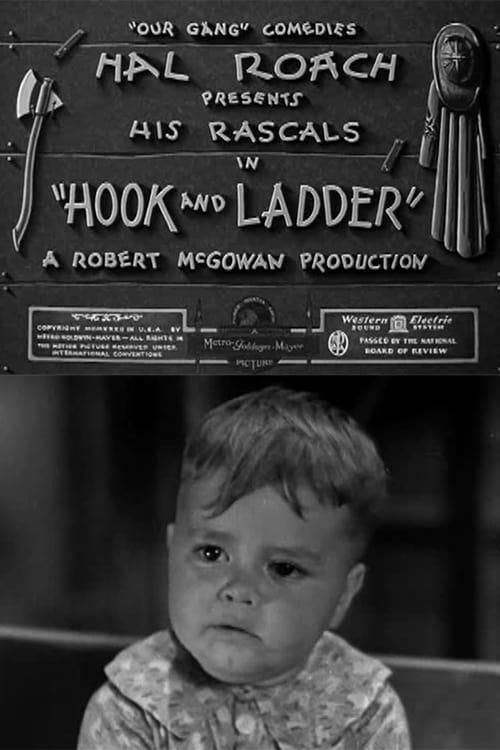
1932
No reviews yet. Be the first to share your thoughts on this movie!
Use the rating form above to leave a star rating and optional review.