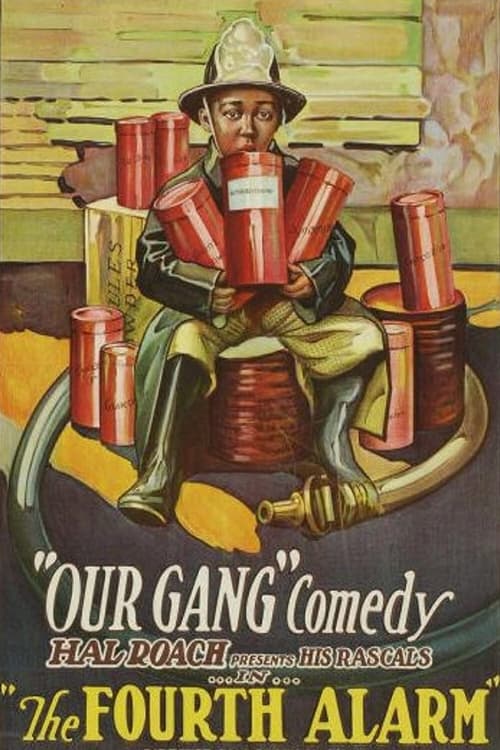
The Fourth Alarm
1926
No user ratings available yet
Representation score: 3.8 out of 10
Representation Score
Minimal
1932
Director
Robert F. McGowan
Runtime
18 minutes
Average Rating
No ratings yetNew Showbiz Analysis
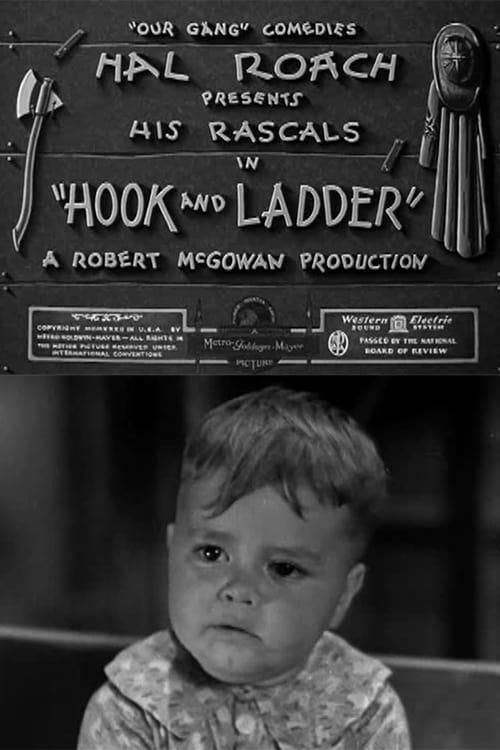
Hook and Ladder is a product of its time, functioning as a standard genre piece that reflects the social frameworks of the early 1930s. The comedy relies on a child ensemble navigating a real-world emergency through roleplay. The film lacks intentionality regarding the way different parts of someone's identity overlap or the disruption of social hierarchies. It adheres to the casting conventions and traditionalist views prevalent in Hal Roach Studios productions of this era. While the ensemble format allows for some character's ability to drive the story, the work remains rooted in the era's limited social perspectives.
Category Breakdown
The film does not depict any non-straight relationships or identities. It also lacks any critique of the assumption that everyone is straight or cisgender.
Female characters show resourcefulness but are often confined to traditional comedic roles typical of the era. They play a significant role in driving the story but remain within expected comedic boundaries.
Casting likely follows the homogeneous social norms of the early 1930s. There is no evidence of diverse representation beyond the standard period norms.
The story centers on traditional civic roles and childhood innocence, reinforcing established community structures without challenging Western institutions.
There is no evidence of characters with visible or invisible disabilities. The narrative does not address disability representation.
Present on Screen
Limited or Absent
Official Synopsis
The gang, while playing firemen, come upon a real fire.
1926
1934

1923
1931
1936
1930
1936
1933
No reviews yet. Be the first to share your thoughts on this movie!
Use the rating form above to leave a star rating and optional review.