
Derby Day
1923
No user ratings available yet
Representation score: 1.1 out of 10
Representation Score
Minimal
1924
Director
Ralph Ceder
Runtime
24 minutes
Average Rating
No ratings yetNew Showbiz Analysis
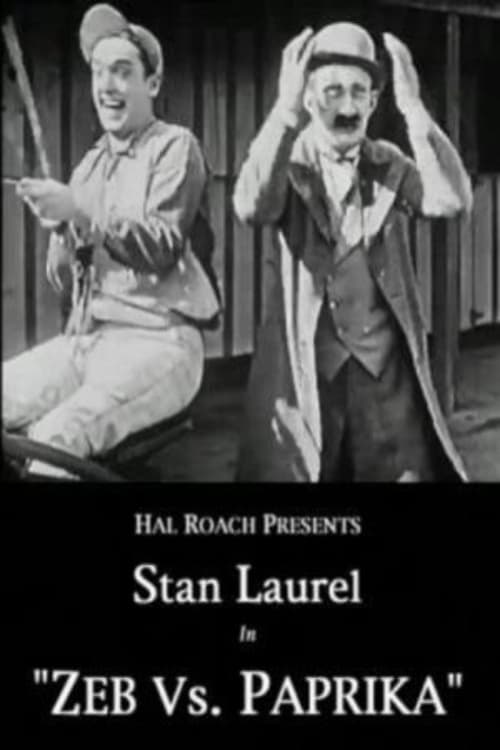
Zeb vs. Paprika is a product of the 1920s silent comedy era, prioritizing slapstick and physical humor over social complexity. The narrative revolves around a harness racing competition, reinforcing traditional masculine archetypes and competitive social structures. The film does not intentionally represent diverse identities. It functions as a conventional period comedy that upholds the demographic and social hierarchies typical of early Hollywood filmmaking.
Category Breakdown
The film follows the straight-centered social structures typical of the 1920s. There are no representations of non-straight or non-cisgender identities.
The story focuses on masculine-coded competitive environments such as harness racing. Female characters are limited to secondary or decorative roles without challenging traditional hierarchies.
The production reflects the homogeneous demographics common in early Hollywood. There are no actively leading characters of color or casting that disrupts standard era practices.
The narrative aligns with traditional Western values, emphasizing individual competition and sportsmanship. It does not deconstruct established social or family structures.
The available information does not mention characters with visible or invisible disabilities. Therefore, there is no representation in this category.
Present on Screen
Limited or Absent
Official Synopsis
Stan Laurel as a harness racing jockey who must win a big race.
1923
1926
1939
1928
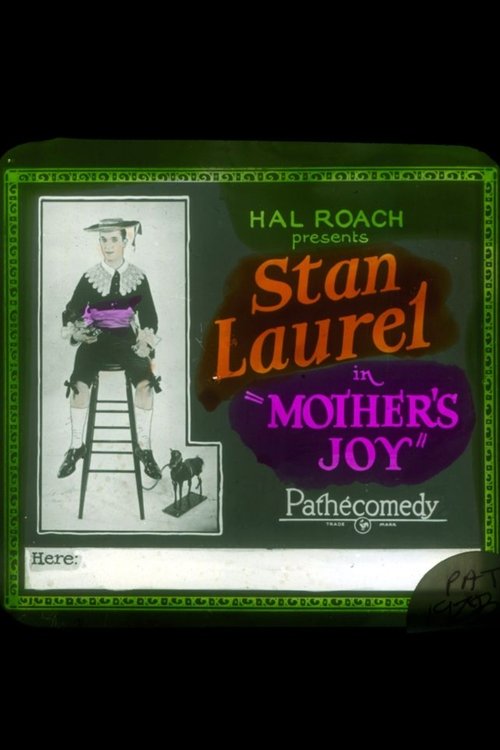
1923
1933
1939
1951
No reviews yet. Be the first to share your thoughts on this movie!
Use the rating form above to leave a star rating and optional review.