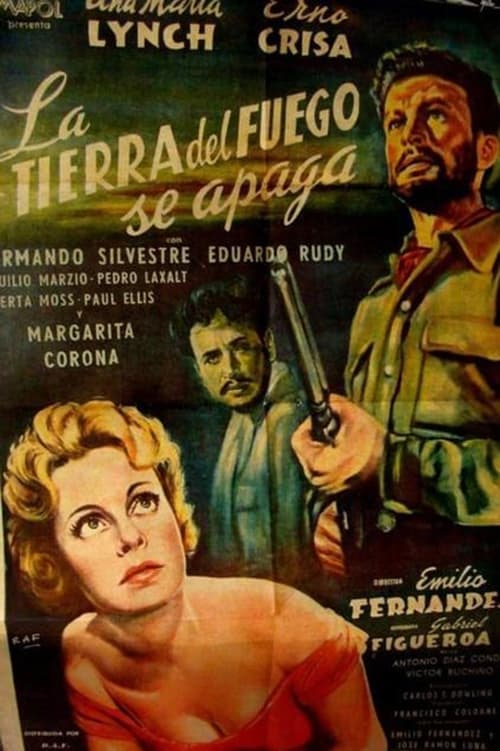
La Tierra del Fuego se apaga
1955
No user ratings available yet
Representation score: 4.6 out of 10
Representation Score
Fair
1963
Director
Emilio Fernández
Runtime
85 minutes
Average Rating
No ratings yetNew Showbiz Analysis
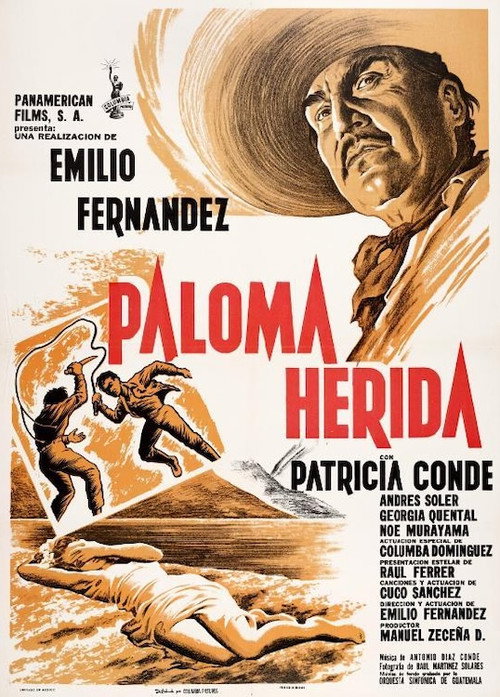
Paloma herida offers a complex portrait of identity through its central protagonist. By presenting an indigenous woman who defies social expectations through both her appearance and her violent ability to act, the film moves beyond simple archetypes to explore the tensions of the Mexican social fabric. However, the film remains anchored in traditional dramatic frameworks. While the protagonist's silence acts as a form of resistance, the narrative structure relies heavily on established legal and domestic hierarchies to drive the story forward. Ultimately, the film succeeds in subverting ethnic expectations but struggles to move beyond conventional institutional and gendered roles.
Category Breakdown
The film does not include any explicit LGBTQ+ characters or non-straight relationships. The story focuses on the protagonist's crime and her interactions with the Judge and his wife.
Paloma provides a rare moment of female empowerment by driving the plot through violent, decisive action. However, the secondary arc involving Judge Justo and Amalia maintains a traditional domestic structure.
The casting of a blonde indigenous woman challenges standard racial archetypes and explores complex ethnic identities. This positioning allows for an examination of systemic power dynamics within the legal system.
The story explores the tension between individual morality and institutional authority. While the protagonist resists through silence, the narrative operates within established social and legal orders.
There is no discernible evidence regarding the portrayal of physical or neurodivergent disabilities in this work.
Present on Screen
Limited or Absent
Official Synopsis
Paloma is a young blonde indigenous woman who arrives in a coastal town and goes to the local cantina to murder Danilo Zeta in cold blood. But the young woman is captured and, upon being tried in the public square of Puerto San José, she refuses to speak. In prison, after giving birth to a child, Judge Justo and her wife Amalia encourage her to tell them her past.
1955
1971
1969
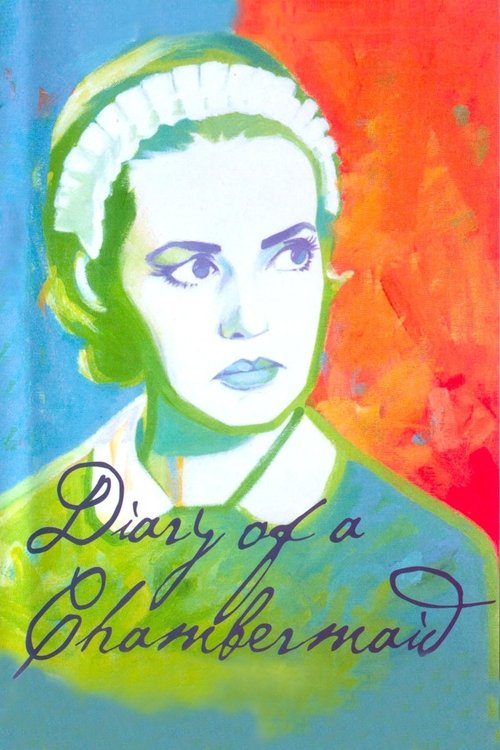
1964
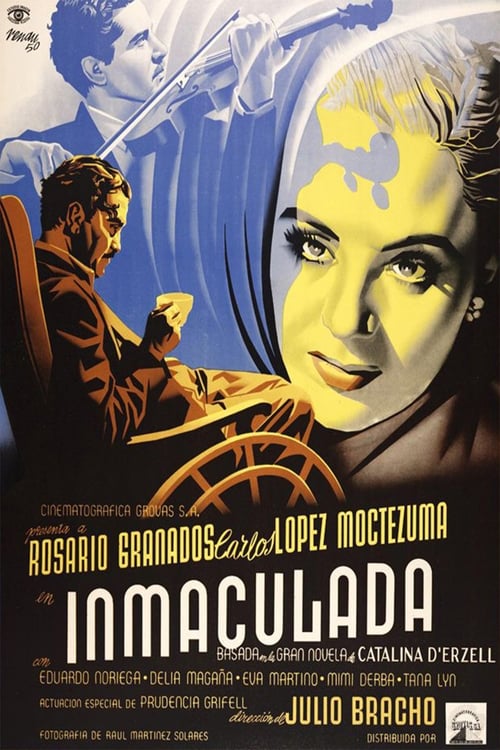
1950

1955
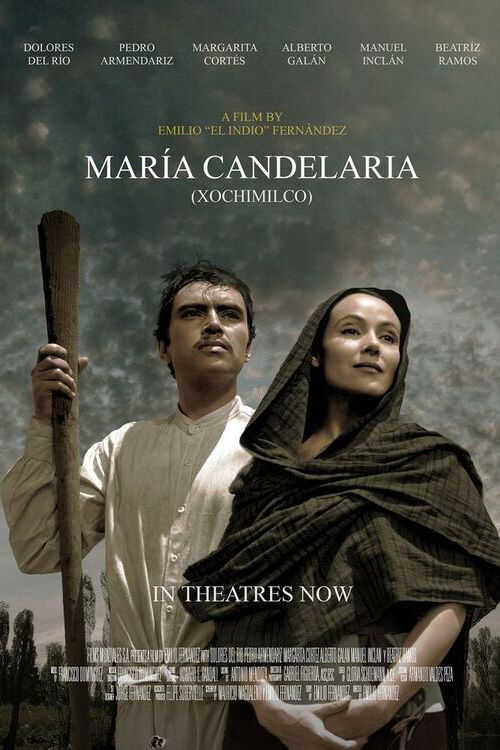
1944
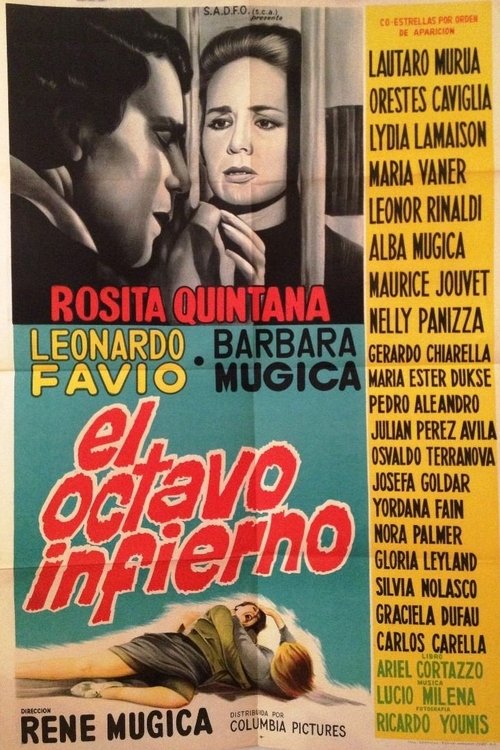
1964
No reviews yet. Be the first to share your thoughts on this movie!
Use the rating form above to leave a star rating and optional review.