
Yo maté a Juan Charrasqueado
1949
No user ratings available yet
Representation score: 2.9 out of 10
Representation Score
Fair
1974
Director
Emilio Fernández
Runtime
94 minutes
Average Rating
No ratings yetNew Showbiz Analysis
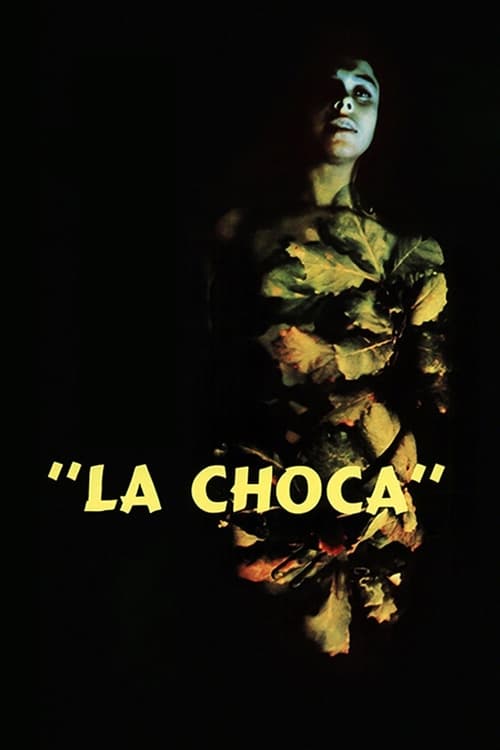
La Choca is a significant piece of Mexican cinematic nationalism that explores the tension between agrarian traditions and evolving social hierarchies. It succeeds by centering the lived experiences of the rural peasantry and offering a localized critique of class-based power dynamics. The film's strength lies in its multi-layered approach to ethnicity and class. By avoiding Anglo-centric norms and focusing on the struggle against entrenched land-owning structures, it provides a progressive deconstruction of social stratification. However, the film remains limited by the social constraints of its era. It lacks engagement with contemporary LGBTQ+ or neurodivergent frameworks, remaining tied to traditional patriarchal and heterosexual norms.
Category Breakdown
The film follows traditional heterosexual and cisgender norms typical of 1970s Mexican melodrama. It does not challenge these norms, with character arcs focused on traditional romantic and family relationships.
The protagonist, Choca, provides meaningful representation by playing a significant role in driving the story. Despite the patriarchal setting, she actively engages and is not a passive observer.
The production features a predominantly Indigenous and mixed-race cast, avoiding the whitewashing common in similar genres. This prioritizes the perspective of the rural working class.
The narrative critiques systemic inequality by examining the latifundista landownership system. Religious symbols provide a cultural backdrop, but the main focus is on the socio-economic struggles of the underrepresented.
There are no prominent depictions of visible or invisible disabilities that drive the narrative or serve as central character elements.
Present on Screen
Limited or Absent
Official Synopsis
A smuggler lives far from civilization, in a hut in the jungle with his wife, La Choca, his son and his sister-in-law Flor. One day some men arrive, who accuse him of having betrayed them.
1949
1952
1965

1964
1943
1955
1961
1960
No reviews yet. Be the first to share your thoughts on this movie!
Use the rating form above to leave a star rating and optional review.