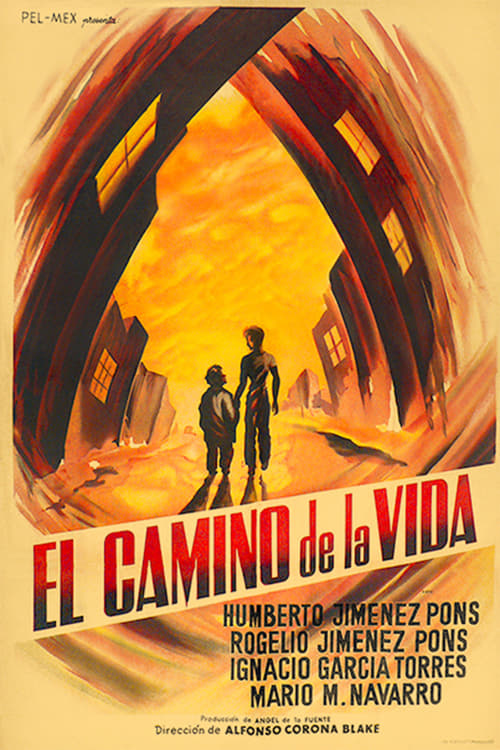
The Road of Life
1956
No user ratings available yet
Representation score: 4.2 out of 10

Representation Score
Limited
1965
TV-PGDirector
Gilberto Martínez Solares
Runtime
90 minutes
Average Rating
No ratings yetNew Showbiz Analysis
Lawless Youth is a mid-century social drama that examines the psychological roots of juvenile delinquency. By linking crime to paternal abandonment, the film moves toward a situational understanding of deviance rather than portraying characters as purely evil. However, the film remains deeply rooted in the traditional frameworks of its era. The narrative structure prioritizes the restoration of social order through legal trials, reinforcing established hierarchies rather than challenging them. Ultimately, the work functions as a period-specific reflection of social concerns regarding authority and the family unit, offering little in the way of progressive representation or systemic critique.
Category Breakdown
The film does not include any queer narratives or non-cisgender identities. It follows the traditional family structures typical of 1965 Mexican cinema.
The story centers on paternal abandonment and male delinquency, reinforcing traditional patriarchal roles. There is no visible evidence of women taking a leading role or challenging gender hierarchies.
As a Mexican production, the cast likely reflects a homogeneous ethnic background. The film does not actively seek to diversify perspectives through multi-layered representation.
The narrative explores morality and law through a lens of social order. It examines the causes of crime without offering a critique of legal institutions.
There is no documented evidence of characters with physical or neurodivergent disabilities serving as central plot devices.
Present on Screen
Limited or Absent
Official Synopsis
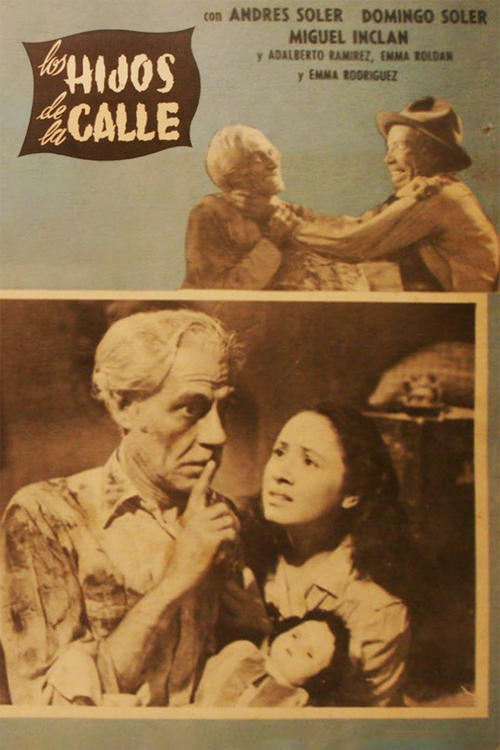
Jorge is arrested and brought to trial, where it is known that he chose crime due to the abandonment of his father.
1956
1950
1969

1980
1985
1951

1989

1950
No reviews yet. Be the first to share your thoughts on this movie!
Use the rating form above to leave a star rating and optional review.