
John Rabe
2009
No user ratings available yet
Representation score: 3.0 out of 10
Representation Score
Fair
2004
PG-13Director
Jayme Monjardim
Runtime
141 minutes
Average Rating
No ratings yetNew Showbiz Analysis
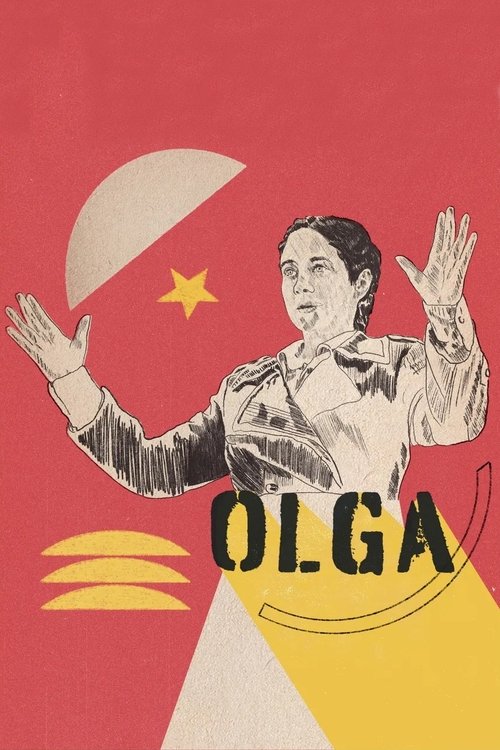
The film stands out by focusing on a female protagonist with significant political influence, moving beyond the typical supporting role. It uses a global, multi-national setting to explore the complexities of identity and systemic oppression. However, the film remains confined to a traditional heterosexual storyline, lacking any representation of LGBTQ+ identities. Additionally, it does not address issues related to disability, which limits its scope in certain areas. Overall, the film excels in critiquing mid-century authoritarianism but falls short in representing broader social diversity.
Category Breakdown
The film focuses on the heterosexual relationship between Olga Benário and Luís Carlos Prestes. It does not include any LGBTQ+ characters or stories that challenge traditional assumptions about sexual orientation.
Olga is shown as a strong, independent political figure rather than a passive observer. The film challenges the stereotype of the 'political wife' by highlighting her intelligence and active role.
The story covers a range of identities from Germany and Brazil, highlighting the tensions between different national identities during the mid-20th century.
The film provides a strong critique of authoritarian regimes, particularly the Nazi and Vargas dictatorships. It emphasizes the struggle against oppressive state institutions.
There are no significant portrayals of visible or invisible disabilities that play a central role in the plot or character development.
Present on Screen
Limited or Absent
Official Synopsis
Based upon the true story of Olga Benário, the German-born wife of Brazilian communist leader Luís Carlos Prestes. During the dictatorship of Getúlio Vargas (1930-1945) she was arrested and sent to Nazi Germany, where she was put to death in a concentration camp. After World War II began, Vargas decided to uphold the Allies.
2009
2011

1958
1995
1968
1992

2003

1988
No reviews yet. Be the first to share your thoughts on this movie!
Use the rating form above to leave a star rating and optional review.