
The Auschwitz Report
2021
No user ratings available yet
Representation score: 5.3 out of 10
Representation Score
Fair
1988
PGDirector
John Erman
Runtime
95 minutes
Average Rating
No ratings yetNew Showbiz Analysis
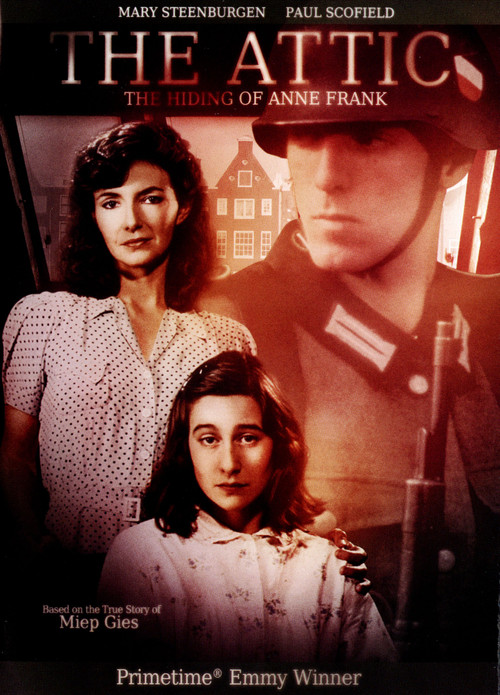
The film reconstructs the Jewish experience during the Nazi occupation of Amsterdam. It centers the voices of those persecuted, making ethnic identity the core of the narrative tension. While it lacks modern depictions of LGBTQ+ identities, it offers depth through its portrayal of female autonomy and the psychological impact of systemic oppression. The focus remains on the resilience of those forced into hiding. Ultimately, the work studies identity under extreme duress, prioritizing the survival of a underrepresented group over the prevailing political order of the time.
Category Breakdown
The film stays true to the historical context of the 1940s and does not depict any non-traditional gender identities or same-sex relationships.
The movie highlights the intellectual and emotional strength of female characters. It portrays a complex relationship between Anne and Edith Frank, challenging idealized maternal images.
The film focuses on the Jewish experience, placing the Jewish community as the main drivers of the narrative. Jewish identity is central to the story.
The story critiques state authority and the Nazi regime, examining how traditional Western structures break down under the pressure of systemic violence.
There is no significant depiction of characters with visible or invisible disabilities playing central roles in the film.
Present on Screen
Limited or Absent
Official Synopsis
During the Nazi occupation of Amsterdam, Otto Frank decides to hide his family, who are Jewish, after his daughter Margot is called to appear for transport to a Nazi labour camp. Miep Gies, Otto Frank's office assistant hides them in the attic above the office. The film tells the true story of Gies' struggle to keep the family hidden and safe, as the Nazis turn Amsterdam upside-down. Based upon Gies' memoirs and Anne Frank's famous diary.
2021
1959
2020

2009

2015

2024

2016

2021
No reviews yet. Be the first to share your thoughts on this movie!
Use the rating form above to leave a star rating and optional review.