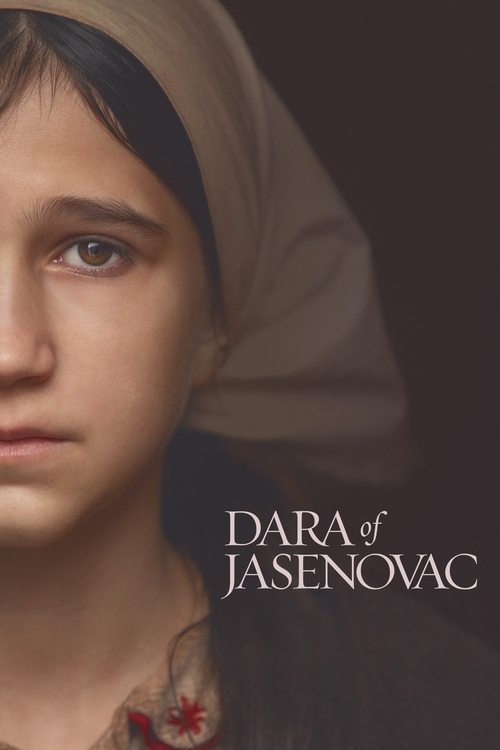
Dara of Jasenovac
2020
No user ratings available yet
Representation score: 4.2 out of 10

Representation Score
Excellent
2019
Director
Dana Budisavljević
Runtime
88 minutes
Average Rating
No ratings yetNew Showbiz Analysis
The film stands out by challenging traditional historical narratives through its focus on female leadership and the ethnic identities of persecuted groups. It goes beyond simple victimhood to depict individuals navigating oppressive bureaucratic systems. While the film offers a nuanced critique of institutional power and state-enforced borders, it does not specifically represent LGBTQ+ identities. The focus remains on the humanitarian crisis of the time. Ultimately, the work successfully gives voice to underrepresented populations, although it primarily addresses the vulnerability of children rather than specific characters with disabilities.
Category Breakdown
The film does not focus on LGBTQ+ identities or non-traditional gender expressions. It does not include specific narratives or characters that challenge straight-centered assumptions.
The film challenges wartime expectations by highlighting the leadership and organizational skills of female characters. Diana Budisavljević is shown as the primary intellectual and organizational force behind a large humanitarian effort, subverting traditional gender roles.
The film offers significant depth to the identities of those persecuted during World War II, emphasizing the ethnic backgrounds of those affected by the Ustasha and Nazi regimes. It addresses the homogeneity of historical wartime narratives by providing diverse perspectives.
The film criticizes traditional state institutions, depicting political and military structures as oppressive. It emphasizes humanitarian ethics over state-enforced borders and legalistic protocols, highlighting systemic cruelty.
The film highlights the vulnerability of children in concentration camps as a symbol of the fragility of life and the impact of neglect. However, characters with disabilities are not given independent ability to act or depth.
Present on Screen
Limited or Absent
Official Synopsis
Firmly believing her own life is no more precious than the lives of the innocent people being persecuted, with the help of a few friends, Diana embarks on a perilous campaign of rescuing more than 10,000 children from the Ustasha camps in Nazi-occupied Croatia.
2020

2009

1990

2024

2016

2014

2021

2020
No reviews yet. Be the first to share your thoughts on this movie!
Use the rating form above to leave a star rating and optional review.