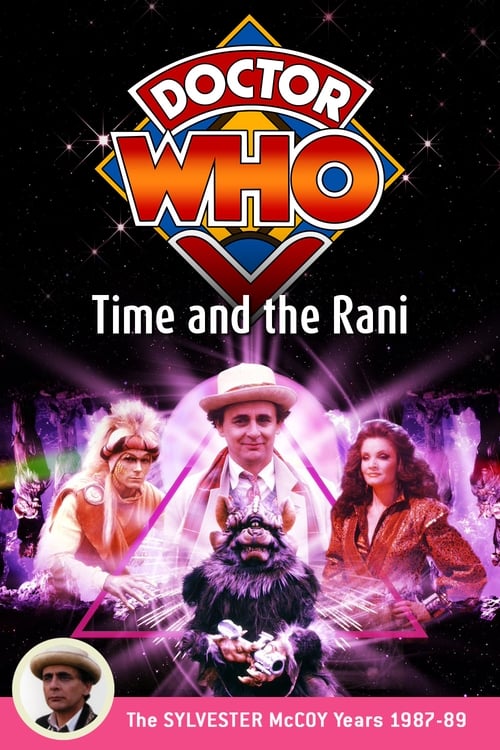
Doctor Who: Time and the Rani
1987
No user ratings available yet
Representation score: 2.8 out of 10
Representation Score
Limited
1988
TV-PGDirector
Andrew Morgan
Runtime
100 minutes
Average Rating
No ratings yetNew Showbiz Analysis
The film excels in character development and thematic depth rather than broad demographic representation. Ace stands out by taking an active role and making independent decisions, diverging from passive female characters of the past. However, the production is constrained by its historical context, lacking representation in several key areas. The absence of LGBTQ+ and disabled characters, along with a predominantly white cast, limits its diversity score. Overall, the work succeeds as a nuanced critique of power and authority. It replaces simplistic morality with a complex examination of historical interference and the ethics of control.
Category Breakdown
The story does not include any explicit LGBTQ+ characters or storylines. The narrative focuses entirely on the conflict between the Doctor and the Daleks without exploring non-straight relationships.
Ace breaks traditional female stereotypes by taking a leading role and making independent decisions. Her mentor-student relationship with the Doctor allows her to challenge authority and avoid passive roles.
The casting reflects the social norms of 1963 London, resulting in a predominantly white cast. There is a lack of diverse representation or multi-layered stories.
The film uses the Daleks to critique fascist and totalitarian regimes. Ace’s rebellious nature and the Doctor’s moral flexibility challenge traditional views of absolute control and binary morality.
No characters are shown with visible or invisible disabilities. The narrative does not focus on neurodivergence or physical impairments.
Present on Screen
Limited or Absent
Official Synopsis
London, 1963: The Doctor returns to the place where it all began — alongside his latest companion, Ace, with unfinished business. Not for the first time, unusual events are unfolding at Coal Hill School. At 76 Totter's Lane, the Doctor discovers that his oldest foes — the Daleks — are on the trail of stolen Time Lord technology that he left on Earth long ago. The Daleks are planning to perfect their own time-travel capability, in order to unleash themselves across the whole of time and space.
1987

1996
1965

2014

1984

1974

1966

1977
No reviews yet. Be the first to share your thoughts on this movie!
Use the rating form above to leave a star rating and optional review.