
Doctor Who: The War Games
1969
No user ratings available yet
Representation score: 4.3 out of 10
Representation Score
Limited
1984
Director
Peter Moffatt
Runtime
100 minutes
Average Rating
No ratings yetNew Showbiz Analysis
The production reflects its era, featuring a predominantly white cast and lacking explicit LGBTQ+ or disability representation. Diversity is more evident in its allegorical themes rather than demographic variety. While the human characters lack multi-layered breadth, the story employs sci-fi clichés to examine systemic oppression. Non-human species serve as metaphors for colonization and indigenous sovereignty. Gender representation stands out, as female companions have the ability to act to influence the plot, subverting traditional hierarchies despite limited demographic scope.
Category Breakdown
The film does not include any LGBTQ+ characters or explore non-assuming gender matches what was assigned at birth identities. The interpersonal dynamics follow traditional heterosexual relationships without challenging these norms.
Female characters such as Tegan Jovanka and Peri Brown play significant roles in driving the story and are not passive stereotypes. Tegan particularly challenges the Doctor’s authority, disrupting typical leader-follower dynamics.
The human cast is primarily white, reflecting the production standards of 1984. However, the story uses non-human species as metaphors for colonization and the fight for indigenous rights.
The narrative critiques authoritarian control through the depiction of the oppressive Gastropod regime. It explores situational morality via Azmael's sacrifice but does not critique Western institutions.
There is no explicit representation of physical or neurodivergent disabilities. The regeneration process serves as a metaphor for biological instability and loss of bodily autonomy.
Present on Screen
Limited or Absent
Official Synopsis
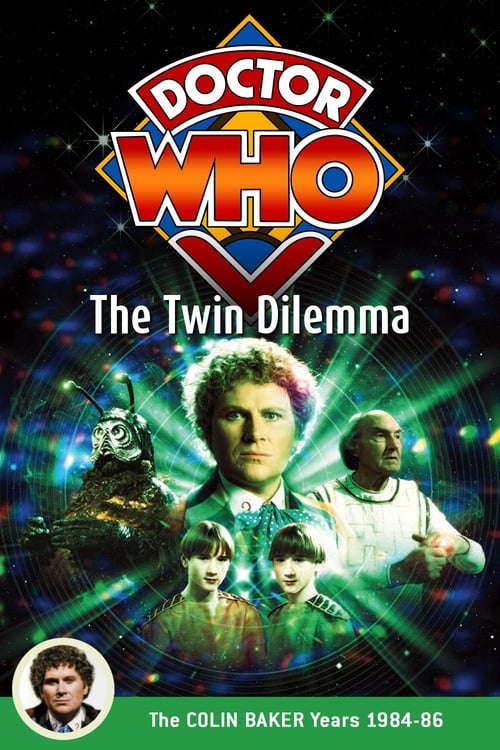
A race of giant Gastropods has taken over the planet Jaconda. Their leader, Mestor, now intends to cause an enormous explosion in order to spread his people's eggs throughout the galaxy, and he kidnaps juvenile twin geniuses from Earth to work out the necessary mathematical equations. Space fighters led by Lieutenant Hugo Lang are dispatched to get the twins back, but they come under attack and Lang is the sole survivor when his ship crashes on the asteroid Titan III. A newly regenerated Doctor and Peri become involved and help Jaconda's elderly former ruler Professor Edgeworth, who is really a Time Lord named Azmael, to defeat Mestor and free the planet's bird-like indigenous people from the gastropods' reign of terror. Azmael, however, sacrifices his life in the process.
1969
1972

1975
1969
1975
1968
1972

1977
No reviews yet. Be the first to share your thoughts on this movie!
Use the rating form above to leave a star rating and optional review.