
Doctor Who: The Mind Robber
1968
No user ratings available yet
Diversity score: 2.2 out of 10
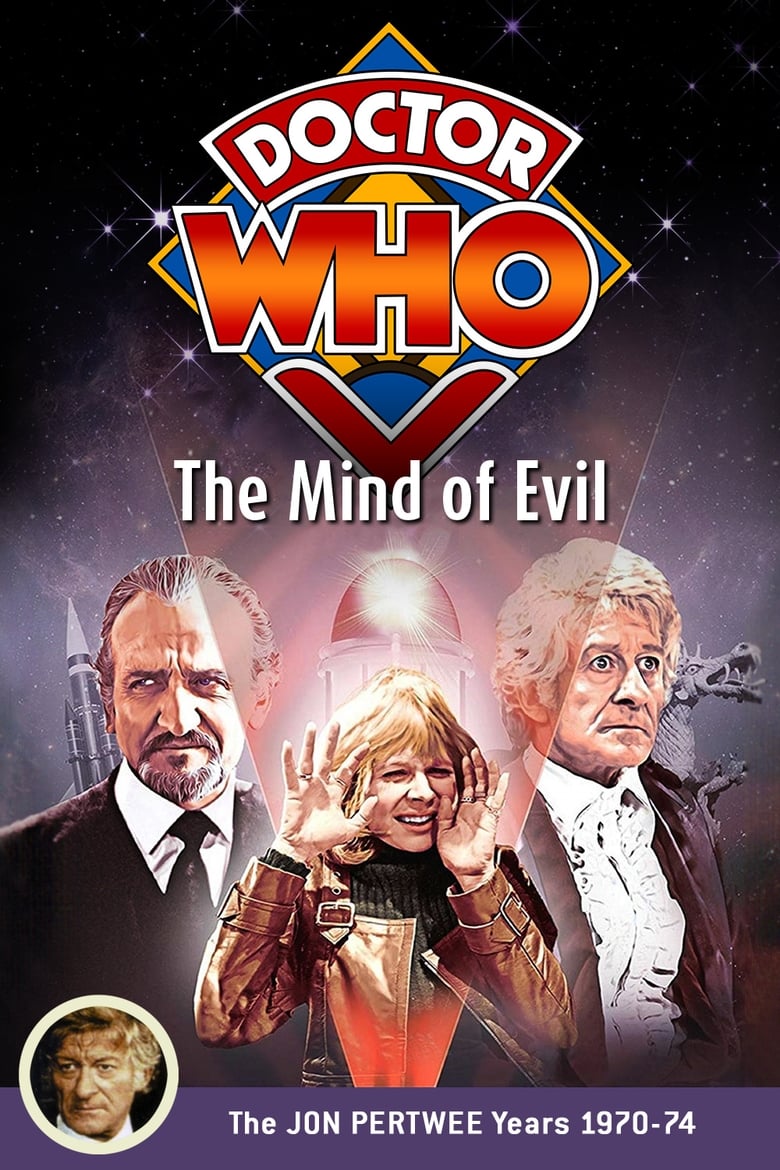
1971
Director
Timothy Combe
Runtime
150 minutes
Average Rating
No ratings yetSynopsis
Professor Emil Keller has created a machine that can pacify even the most dangerous of criminals. But when the Doctor and Jo arrive at Stangmoor Prison for a demonstration, things start to go horribly wrong - especially when they discover that the Doctor's old enemy the Master is responsible for the machine.
Overall Score
Limited
Category Breakdown
LGBTQ+ Representation
The story lacks LGBTQ+ characters or non-cisnormative identities. It operates within the heteronormative social framework common to early 1970s television.
Gender Representation
Jo Grant shows competence in high-stakes situations, yet her role remains primarily that of an assistant. Intellectual conflicts are mostly negotiated between male figures.
Racial & Ethnic Diversity
The production includes Black characters among the inmate and civilian populations. However, these roles do not drive the plot or challenge the status quo.
Religious & Cultural Diversity
The film critiques technological tyranny through a traditional moral lens. It avoids explicit anti-Western frameworks or critiques of systemic institutions.
Disability Representation
There is no significant representation of visible or invisible disabilities. The psychological themes focus on external technological control rather than lived neurodivergent experiences.
Strengths
Areas for Improvement
AI Analysis
This 1971 adventure functions as a standard genre thriller of its era. While it offers moderate inclusion through its urban setting and a capable female companion, it largely adheres to the traditional social hierarchies of the period. The narrative lacks intersectional complexity, focusing instead on a moral conflict between the Doctor and the Master. While it explores themes of institutional control, it does not engage in systemic critique. Ultimately, the production reflects the transitional period of British television, prioritizing psychological storytelling within established genre conventions rather than social subversion.
1968

1984

1972
1966

1966

1971

1986
1984

1966
1972
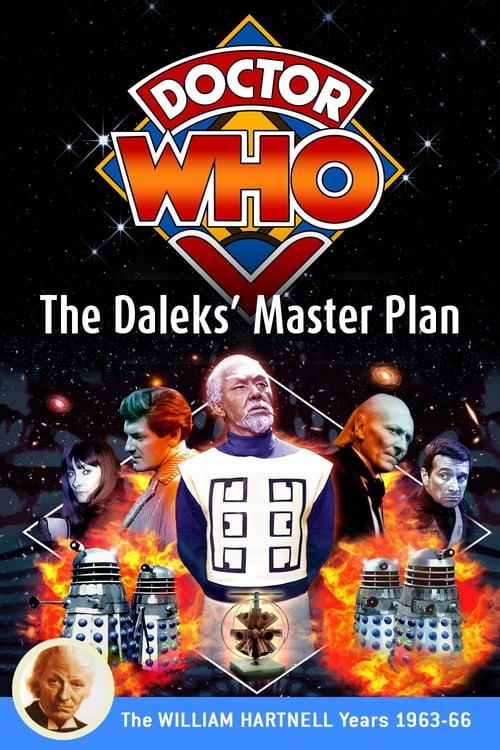
1965
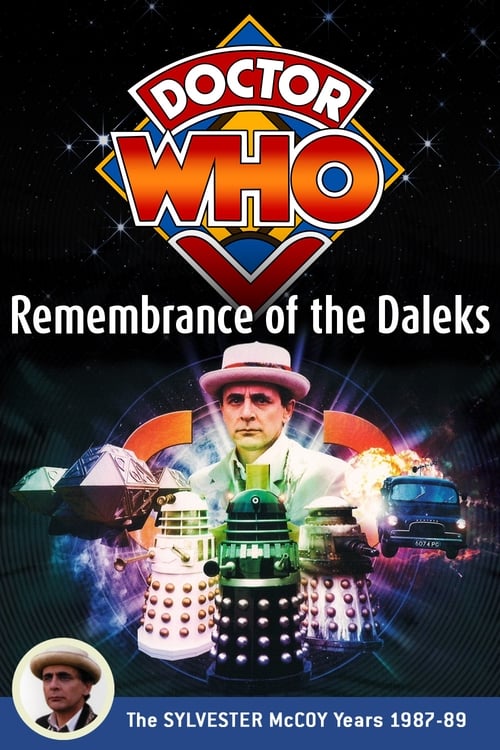
1988
No reviews yet. Be the first to share your thoughts on this movie!
Use the rating form above to leave a star rating and optional review.