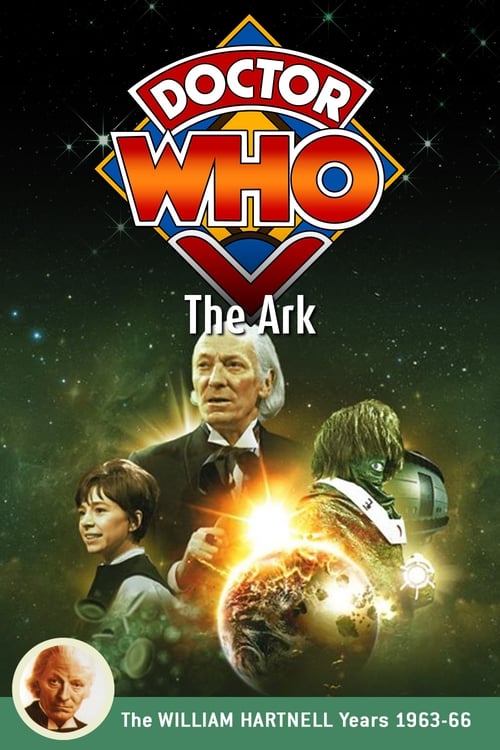
Doctor Who: The Ark
1966
No user ratings available yet
Diversity score: 2.5 out of 10

1966
TV-GDirector
Michael Ferguson
Runtime
100 minutes
Average Rating
No ratings yetSynopsis
The TARDIS arrives in London in 1966 and the First Doctor and Dodo visit the Post Office Tower. There they meet Professor Brett, whose revolutionary new computer WOTAN (Will Operating Thought ANalogue) can actually think for itself and is shortly to be linked up to other major computers around the world — a project overseen by civil servant Sir Charles Summer.
Overall Score
Limited
Category Breakdown
LGBTQ+ Representation
The story contains no discernible LGBTQ+ characters or non-cisnormative identities. Social dynamics remain strictly conventional for 1966 broadcasting standards.
Gender Representation
Barbara Wright serves as an intellectual peer to the Doctor, avoiding passive tropes. However, the broader social framework lacks a critique of gendered power structures.
Racial & Ethnic Diversity
The cast is predominantly white and Anglo-Saxon, reflecting the era's lack of intersectional visibility. The narrative does not present a multicultural landscape.
Religious & Cultural Diversity
The film reinforces Western institutional stability by focusing on the protection of civil structures. It promotes the preservation of the status quo against external threats.
Disability Representation
There are no prominent depictions of physical or neurodivergent characters. The focus remains entirely on the external conflict with the War Machines.
Strengths
Areas for Improvement
AI Analysis
The production is a product of its historical moment, prioritizing the defense of established social and institutional hierarchies. While it offers minor subversions of gender tropes, it remains largely traditionalist in its worldview. The narrative centers on protecting Western civilization and government oversight from technological threats. This focus on stability limits the exploration of diverse social identities or alternative cultural perspectives. Ultimately, the work functions within a mid-century framework that lacks significant representation of marginalized groups, reflecting the mainstream media standards of 1966.
1966
1972
1965
1972

1971
1966

1968
1984

1971

1984

1986
1988
No reviews yet. Be the first to share your thoughts on this movie!
Use the rating form above to leave a star rating and optional review.