
Doctor Who: The Dæmons
1971
No user ratings available yet
Diversity score: 2.6 out of 10
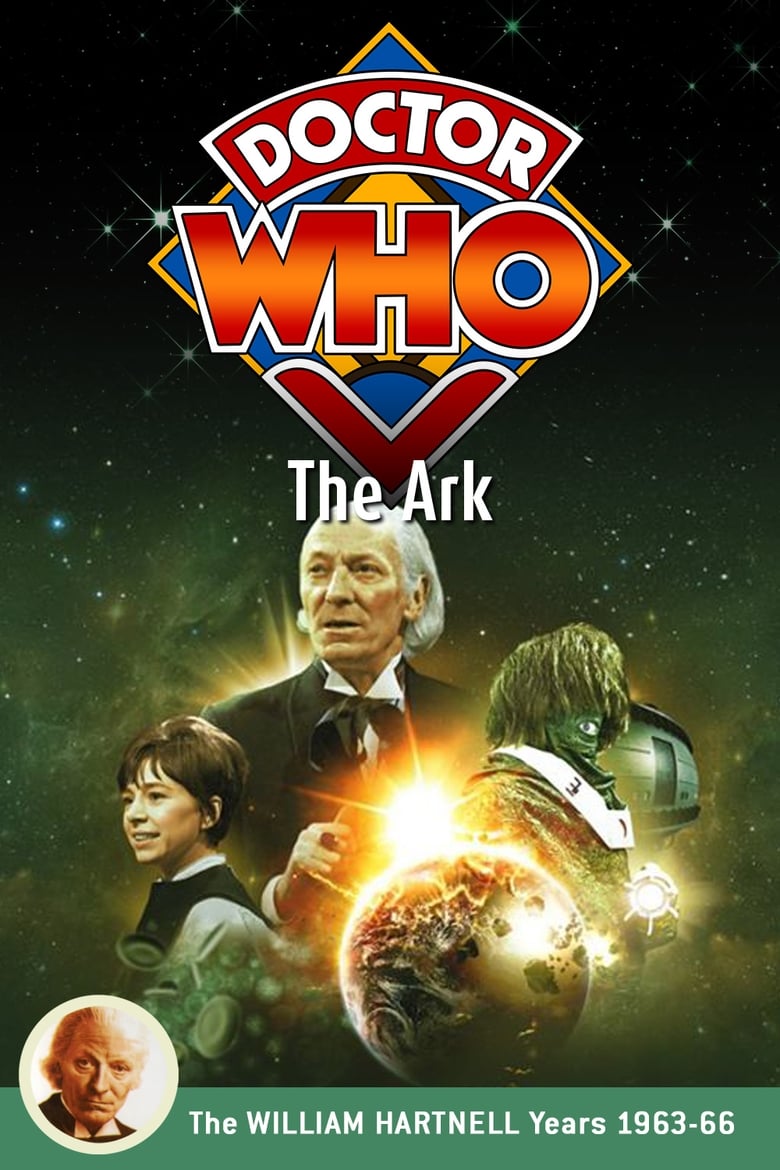
1966
TV-PGDirector
Michael Imison
Runtime
100 minutes
Average Rating
No ratings yetSynopsis
The Doctor and his companions Steven Taylor and Dodo Chaplet arrive some ten million years into the future, on board a generation starship which is carrying the last of humanity away from an Earth that is about to fall into the Sun. However, the cold that Dodo has could prove devastating to these future humans and their servants, the Monoids.
Overall Score
Limited
Category Breakdown
LGBTQ+ Representation
The narrative contains no visible LGBTQ+ characters or explorations of non-heteronormative identities. The social framework of the starship is presented through a traditional lens.
Gender Representation
The production subverts mid-century hierarchies by positioning Barbara Wright as an intellectual peer to her male counterparts. She possesses significant agency and participates actively in scientific inquiry.
Racial & Ethnic Diversity
The cast is predominantly homogeneous, reflecting the era's production standards. The Monoids function as a biological obstacle rather than a complex metaphor for ethnic or racial diversity.
Religious & Cultural Diversity
The focus remains on survivalism rather than a structured critique of Western hegemony. The depiction of humanity as a stagnant entity suggests a critique of social inertia.
Disability Representation
The narrative uses Dodo’s illness as a plot device to heighten tension. There is no significant representation of characters navigating life with permanent disabilities.
Strengths
Areas for Improvement
AI Analysis
The Ark is a product of its historical moment, characterized by a lack of intersectional breadth. While it lacks modern identity-based complexity, it offers a platform for exploring the fragility of human systems. The production's score is buoyed by the progressive intellectual agency afforded to its female lead. This disrupts the conventional gendered power dynamics typical of 1960s television. However, the narrative remains limited by a homogeneous cast and a lack of engagement with LGBTQ+ identities or neurodivergence, focusing instead on a man-versus-machine conflict.
1971
1972
1966
1984

1968
1965
1972
1966

1971

1984
1988

1986
No reviews yet. Be the first to share your thoughts on this movie!
Use the rating form above to leave a star rating and optional review.