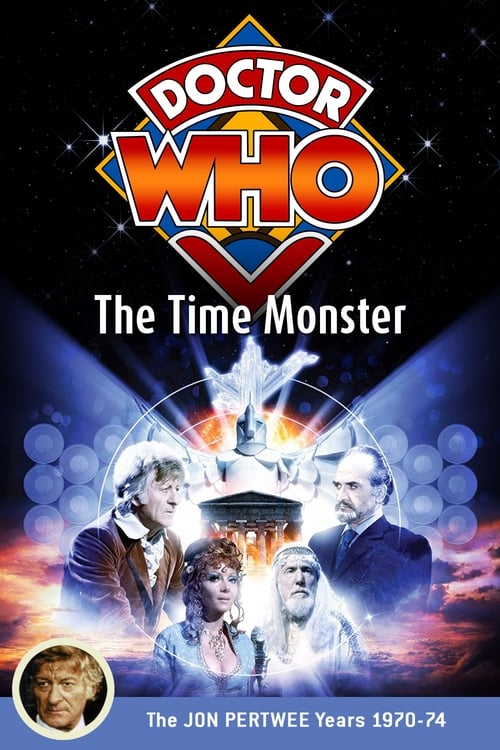
Doctor Who: The Time Monster
1972
No user ratings available yet
Diversity score: 1.4 out of 10
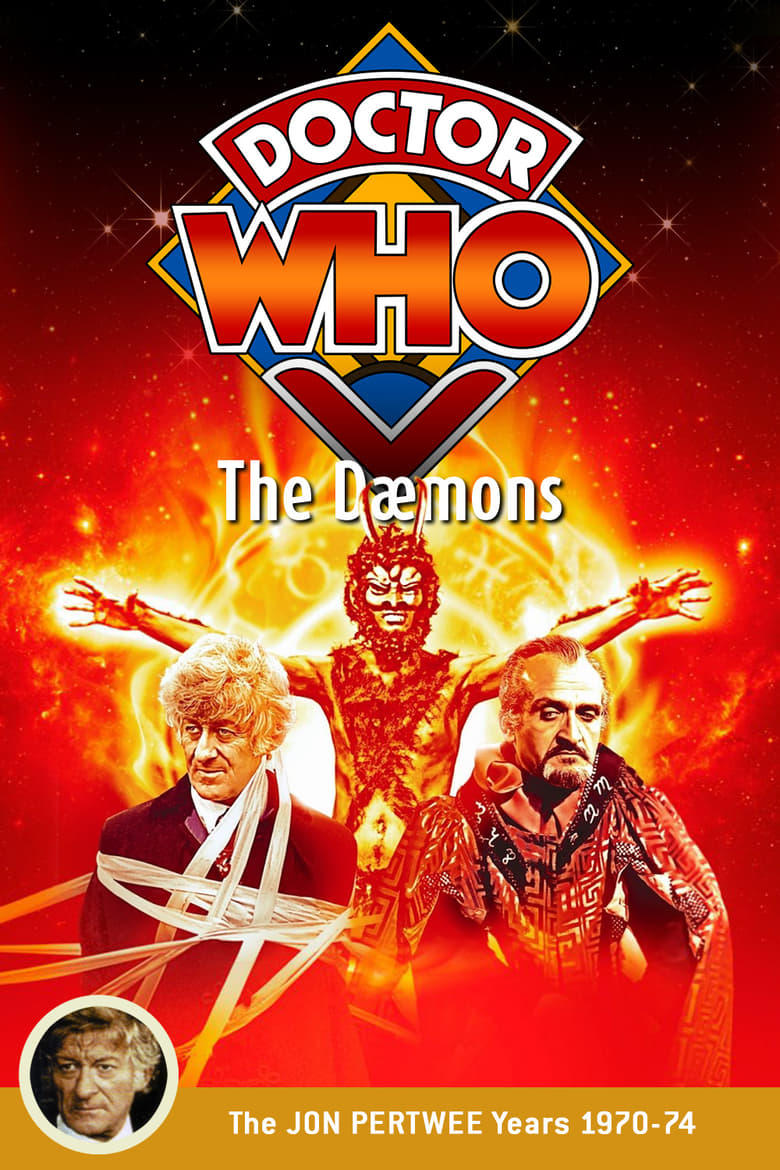
1971
Director
Christopher Barry
Runtime
125 minutes
Average Rating
No ratings yetSynopsis
On the eve of May Day, dark elemental forces begin to disturb the village of Devil's End as the Master summons the demon Azal: unexplained murders, a stone gargoyle come to life, and a nigh-impenetrable infernal energy dome. With the Master fully prepared to destroy the Earth, the Doctor and UNIT - aided by a benevolent practitioner of witchcraft - battle the wicked rites of a secret science wielded by an alien from another world.
Overall Score
Limited
Category Breakdown
LGBTQ+ Representation
The story contains no visible LGBTQ+ characters or explorations of non-heteronormative identities. Social dynamics remain strictly aligned with the heteronormative standards of 1971 television.
Gender Representation
Traditional hierarchies dominate the narrative architecture. The Third Doctor serves as the primary intellectual authority, while female characters like Jo Grant largely occupy supportive or assistant roles.
Racial & Ethnic Diversity
The cast is predominantly white and homogeneous, reflecting the rural English village setting. There is no evidence of color-blind casting or the inclusion of non-Anglo-Saxon characters.
Religious & Cultural Diversity
The plot utilizes religious iconography and local folklore through a lens of conflict. The narrative prioritizes scientific logic and institutional authority over the deconstruction of traditional community structures.
Disability Representation
There are no prominent depictions of physical, neurodivergent, or mental health disabilities. Characters are defined solely by their roles within the scientific or occult conflict.
Strengths
Areas for Improvement
AI Analysis
The Dæmons functions as a period piece that adheres to the social and demographic frameworks of early 1970s British broadcasting. It focuses on the tension between scientific rationalism and occultism rather than attempting to subvert systemic social structures. While the story offers a sophisticated exploration of intelligence and the 'will to power,' it does so within a very narrow demographic lens. The cast and character dynamics reflect the era's casting constraints and traditional hierarchies. Ultimately, the production prioritizes its central conflict of logic versus superstition over intersectional representation or the inclusion of diverse identities.
1972

1968
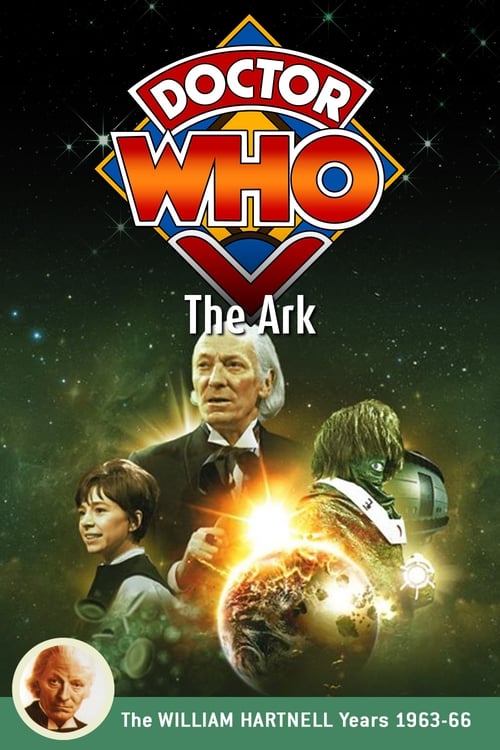
1966
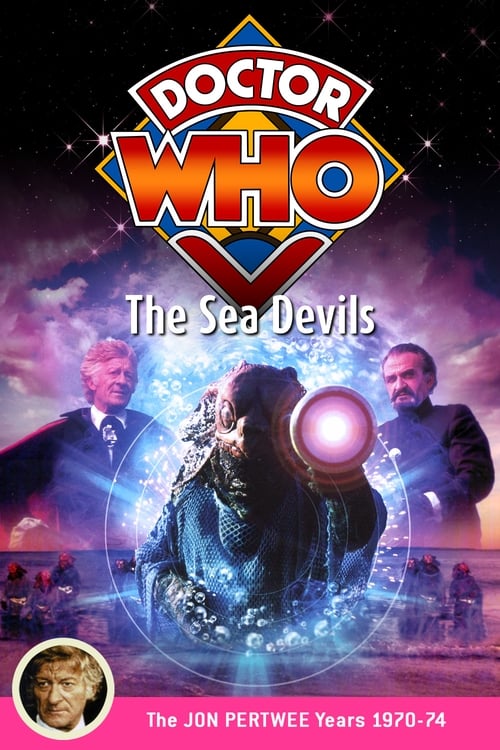
1972
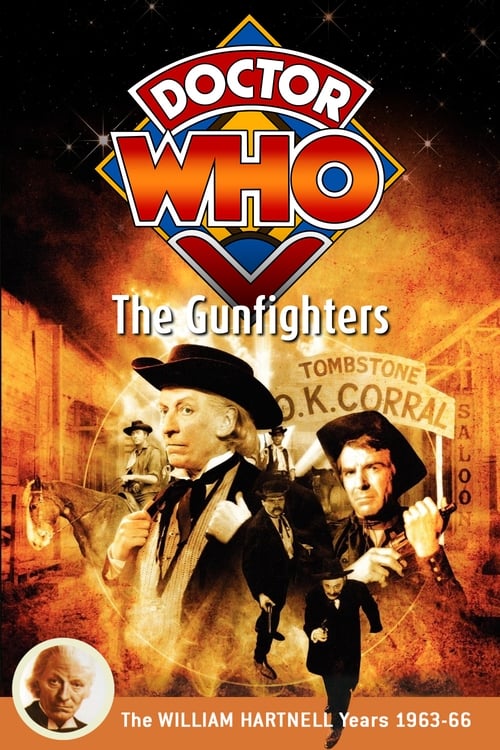
1966
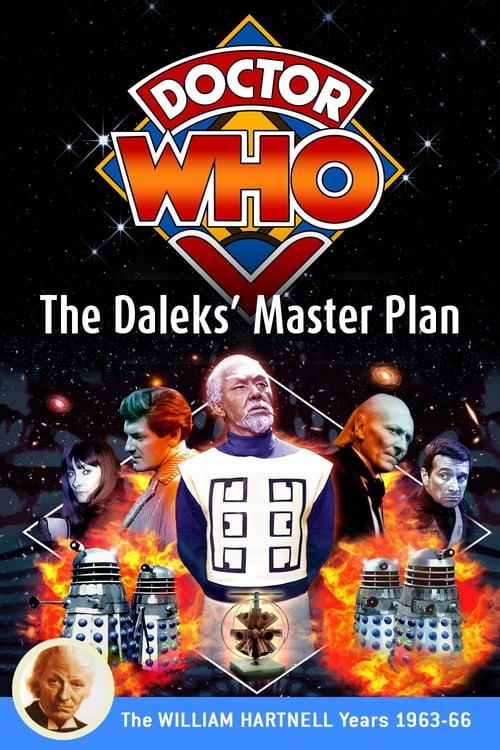
1965
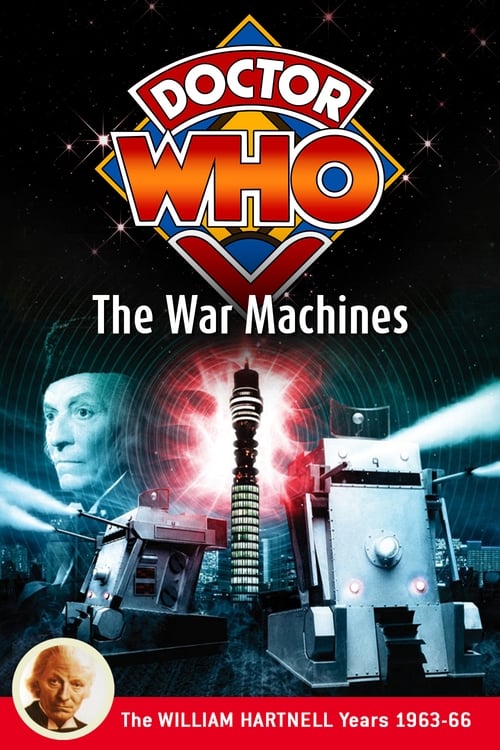
1966
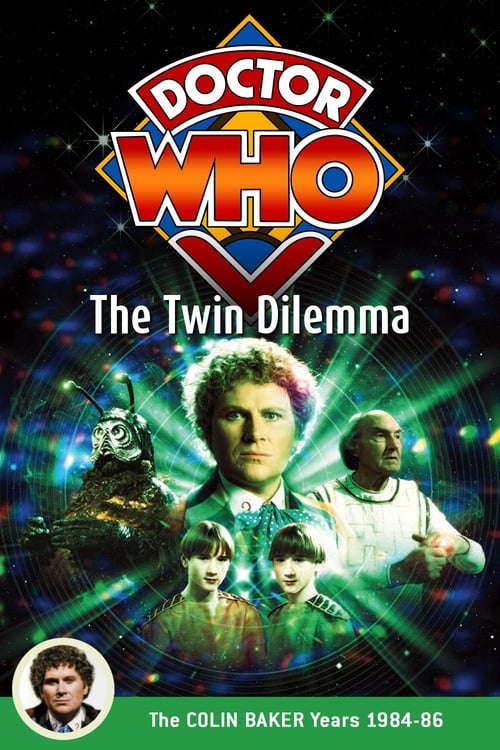
1984

1971

1984

1986
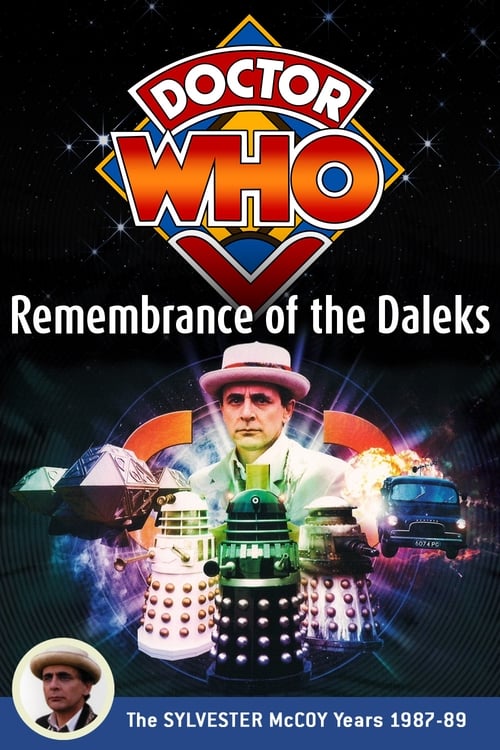
1988
No reviews yet. Be the first to share your thoughts on this movie!
Use the rating form above to leave a star rating and optional review.