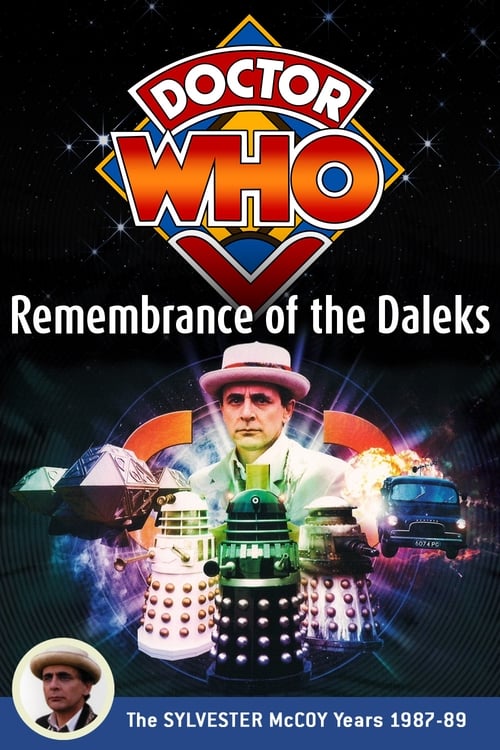
Doctor Who: Remembrance of the Daleks
1988
No user ratings available yet
Representation score: 3.6 out of 10

Representation Score
Fair
1984
Director
Matthew Robinson
Runtime
100 minutes
Average Rating
No ratings yetNew Showbiz Analysis
Resurrection of the Daleks follows a traditional science fiction format that aligns with the demographic and social norms of its time. While it introduces minor disruptions through female assertiveness, it largely adheres to established genre conventions. The production heavily relies on familiar sci-fi clichés, such as the struggle against an existential threat, rather than exploring diverse identities. This results in a narrative that feels culturally and socially conventional. Overall, the film lacks diverse casting and complex representation needed to transcend its 1980s context. It remains focused on the character-driven conflict between the Doctor and Davros without broader social exploration.
Category Breakdown
The film does not include any LGBTQ+ characters or depict non-straight relationships. Social interactions follow traditional heterosexual norms typical of the 1980s.
Tegan asserts herself and challenges the Doctor's authority, but her role is still tied to the gender dynamics and personal conflicts of the era.
The cast is mainly white, reflecting the social norms of 1984. Although Tegan has Greek heritage, the production does not feature a diverse or layered cast.
The story centers on surviving against the Daleks and Davros, focusing more on survival than cultural critique. Moral choices are presented as a simple conflict between ethics and nihilism.
The film does not focus on visible or invisible disabilities. Characters are defined by their roles in the conflict rather than by neurodivergence or physical limitations.
Present on Screen
Limited or Absent
Official Synopsis
Captured in a time corridor, the Doctor and his companions are forced to land on 20th century Earth, diverted by the Doctor's oldest enemy - the Daleks. It is here the true purpose of the time corridor becomes apparent: after ninety years of imprisonment, Davros, the ruthless creator of the Daleks, is to be liberated to assist in the resurrection of his army. Not even the Daleks foresee the poisonous threat of their creator. Indeed, who would suspect Davros of wanting to destroy his own Daleks - and why? Only the Doctor knows the truth. Will he descend to Davros' level of evil to stop him?
1988

1966
1987

1969
1971
1965
1975

1971
No reviews yet. Be the first to share your thoughts on this movie!
Use the rating form above to leave a star rating and optional review.