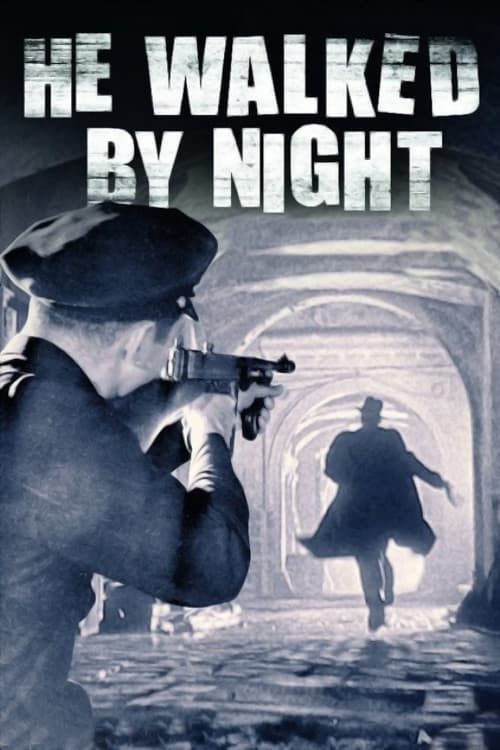
He Walked by Night
1949
No user ratings available yet
Diversity score: 2.3 out of 10

1970
Director
José Giovanni
Runtime
102 minutes
Average Rating
No ratings yetSynopsis
Marceau Léonetti, a competent and energetic officer stops by chance the son of an influential lawyer driving under the influence of alcohol. A few months later, the lawyer falsely accuses Léonetti as being violent and incompetent. As a result Marceau is transferred to a small police station, where he meets young and beautiful Jeanne. Soon they are faced with a tough investigation.
Overall Score
Fair
Category Breakdown
LGBTQ+ Representation
The film lacks any evidence of LGBTQ+ characters or narratives. It follows the traditional interpersonal dynamics common to 1970s crime cinema.
Gender Representation
Jeanne serves as a central figure in the investigation alongside the male lead. While she shows professional agency, the film does not explicitly subvert established gender hierarchies.
Racial & Ethnic Diversity
The story focuses on a localized, predominantly white cast within 1970s France. There is no evidence of significant racial blending in the primary character arcs.
Religious & Cultural Diversity
The plot offers a critique of Western institutions by showing how an influential lawyer manipulates the legal system. It portrays established hierarchies as tools for personal vendettas.
Disability Representation
There are no visible or invisible disabilities portrayed as central to the character arcs or the narrative progression.
Strengths
Areas for Improvement
AI Analysis
The film is a character-driven crime thriller that prioritizes a skeptical view of institutional power. Its narrative strength lies in deconstructing the integrity of the legal establishment through a protagonist victimized by systemic corruption. However, the work lacks modern intersectional markers. It does not feature diverse representation regarding race, gender identity, or disability, reflecting the specific temporal and geographic context of 1970s France. Ultimately, the film achieves a moderate score by challenging the perceived infallibility of social structures rather than through demographic diversity.
1949

1960
1984

1959
1994

1978

1960
1970

2019

1977
1960

1967
No reviews yet. Be the first to share your thoughts on this movie!
Use the rating form above to leave a star rating and optional review.