
I... for Icarus
1979
No user ratings available yet
Representation score: 2.3 out of 10
Representation Score
Fair
1970
Director
Yves Boisset
Runtime
87 minutes
Average Rating
No ratings yetNew Showbiz Analysis
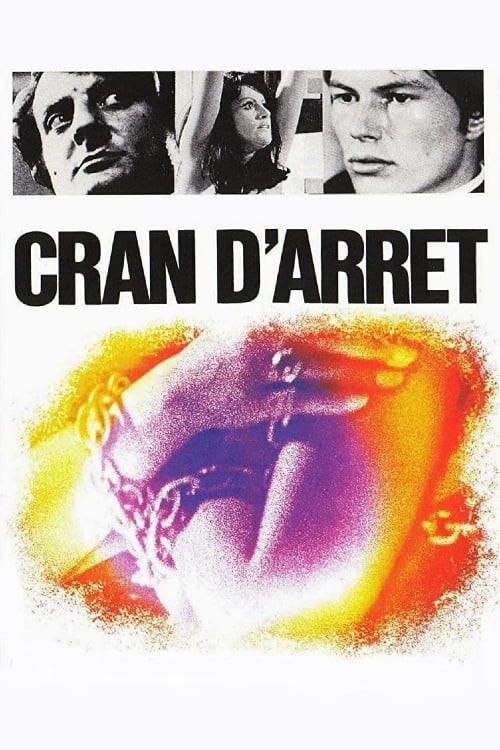
Safety Catch operates mainly as a classic noir film, emphasizing suspense and genre conventions over diverse representation. Its progressive value lies in its moral complexity and its portrayal of characters outside societal norms. Though the film lacks diversity in terms of race and sexual orientation, it stands out in its treatment of gender roles. Female characters are portrayed with intellectual and tactical strength, breaking away from the passive stereotypes of the era. Overall, the film remains focused on the themes of class and crime, reflecting the demographic and social norms of 1970s French cinema.
Category Breakdown
The film does not include any LGBTQ+ characters or non-straight relationships. The main conflict revolves around a heterosexual storyline, sticking closely to the traditional social norms of 1970s French cinema.
The story challenges traditional gender roles by portraying the female lead as a strong, strategic figure who drives the plot through manipulation rather than passivity.
The cast and setting reflect the demographic uniformity of the time, featuring a predominantly white cast with no significant characters of color.
The story examines moral ambiguity and the erosion of professional ethics. It questions the reliability of legal institutions through characters who operate on the fringes of society.
There is no meaningful depiction of physical or neurodivergent disabilities. Psychological issues serve as a plot device rather than a deep exploration of mental health.
Present on Screen
Limited or Absent
Official Synopsis
A doctor disbarred for euthanasia is called in by a man to help his son, who has been depressed since the suicide of his partner. But in the dead woman's handbag, an undeveloped film is discovered by the doctor, who decides to investigate the young woman's alleged suicide.
1979
1970
1970

1965

1947
1969

1967

2016
No reviews yet. Be the first to share your thoughts on this movie!
Use the rating form above to leave a star rating and optional review.