
Laura
1944
No user ratings available yet
Representation score: 0.4 out of 10

Representation Score
Limited
1959
Director
Joseph Losey
Runtime
95 minutes
Average Rating
No ratings yetNew Showbiz Analysis
Blind Date operates as a sophisticated noir that prioritizes systemic critique over modern multi-layered markers. While the film lacks representation regarding race and LGBTQ+ identity, it excels at deconstructing the perceived stability of mid-century social institutions. The narrative structure uses a murder mystery to expose the tension between private morality and diplomatic secrecy. By highlighting how high-ranking officials suppress information to protect the elite, the film challenges the inherent righteousness of traditional power structures. Ultimately, the film's diversity lies in its intellectual engagement with class and institutional corruption rather than its demographic breadth.
Category Breakdown
The film centers on a romance between a male painter and a female socialite. There is no indication of queer undertones or relationships that challenge traditional heterosexual norms.
Jacqueline Cousteau is portrayed as an elegant and socially influential woman. However, her role is primarily defined by her death, which can make her a catalyst for male-driven drama.
The setting and cast reflect the homogeneous social strata of 1959. The narrative focuses on European social and diplomatic circles without significant racial or ethnic diversity.
The story critiques institutional integrity by showing how diplomatic secrecy protects elite interests. This framing challenges the idea of a singular, righteous morality within Western institutions.
There is no documented evidence regarding the portrayal of physical, sensory, or neurodivergent disabilities in this film.
Present on Screen
Limited or Absent
Official Synopsis
Painter Jan Van Rooyer has been art teacher to Jacqueline Cousteau, an older Frenchwoman who becomes his lover. But when she turns up dead, Van Rooyer must explain their relationship to the police to clear his name.
1944
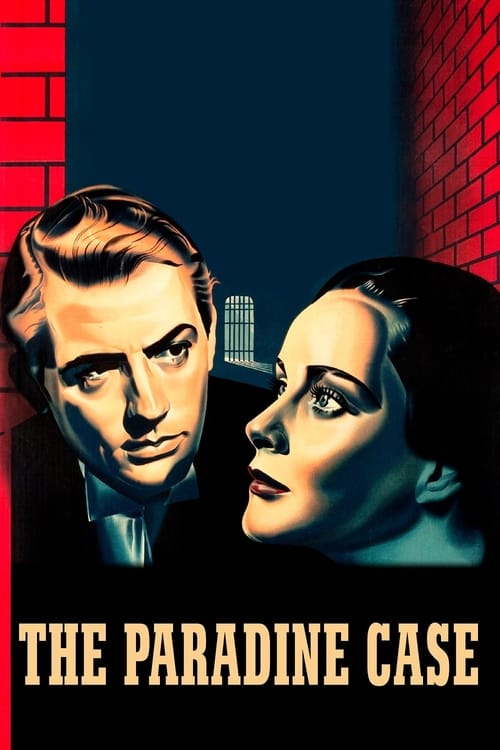
1947
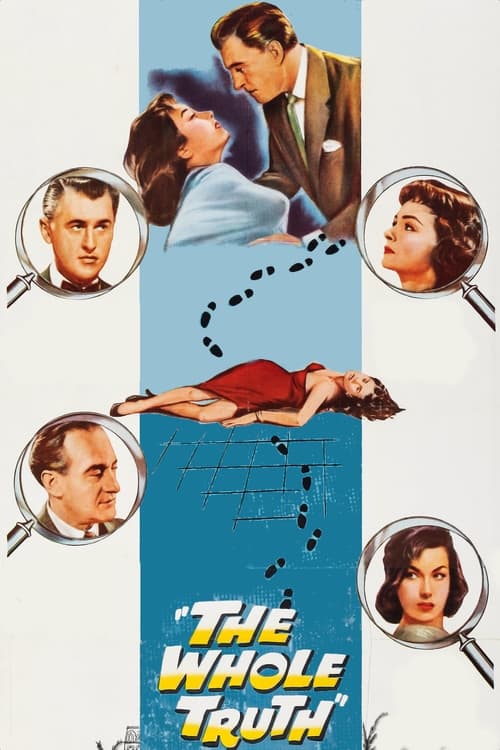
1958
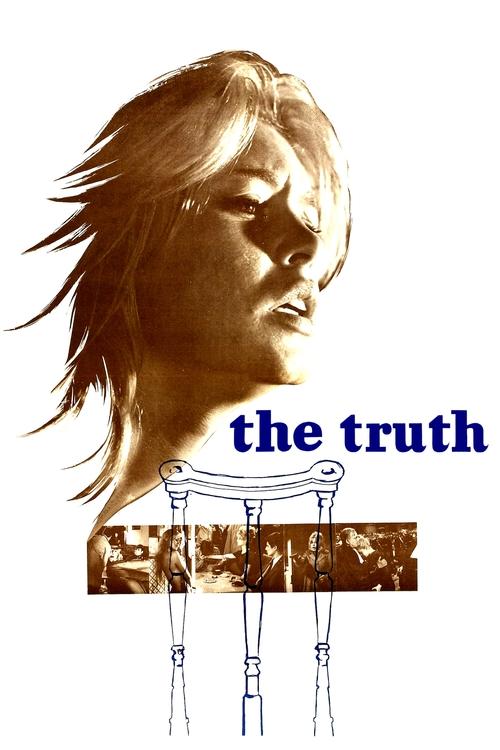
1960
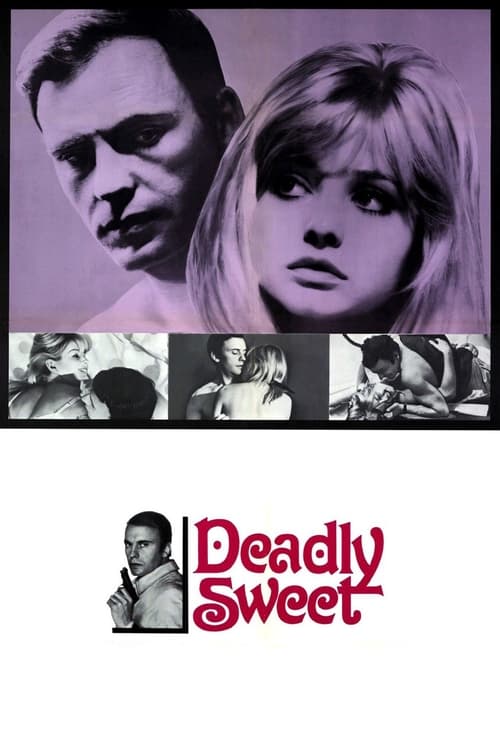
1967
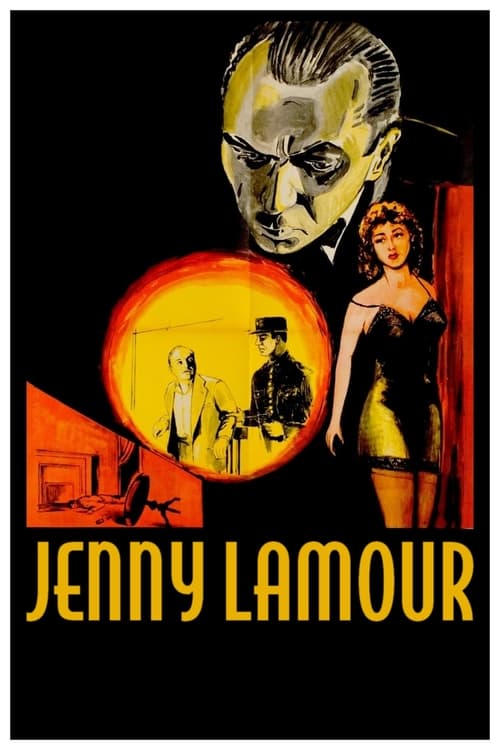
1947
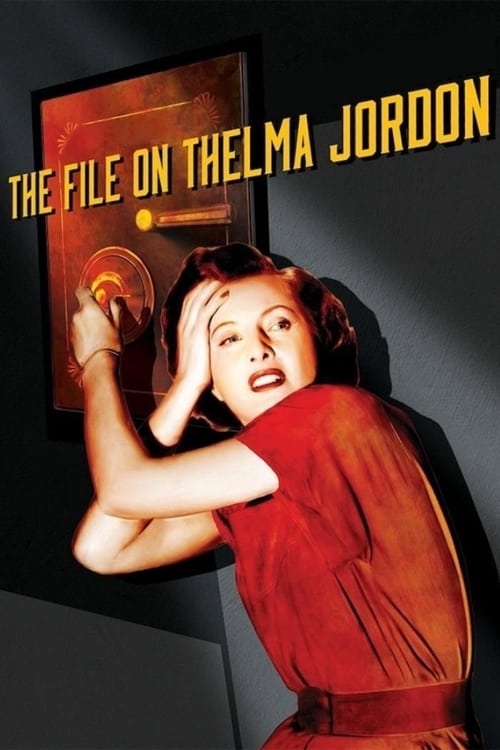
1949
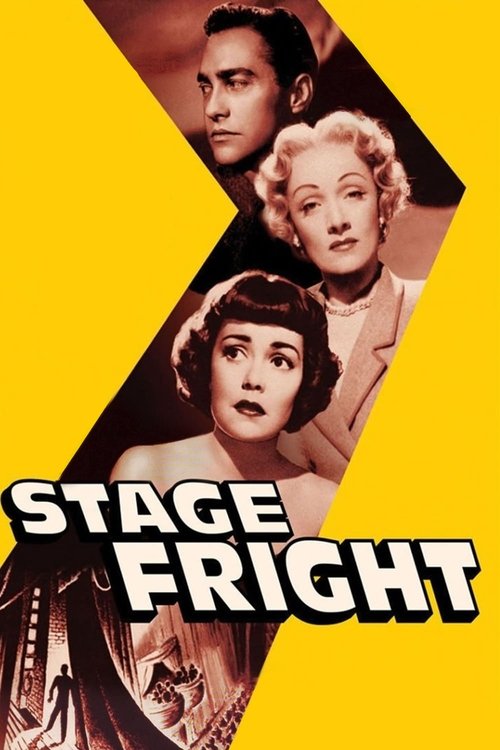
1950
No reviews yet. Be the first to share your thoughts on this movie!
Use the rating form above to leave a star rating and optional review.