Down Three Dark Streets
1954
No user ratings available yet
Representation score: 1.3 out of 10
Representation Score
Minimal
1949
ApprovedDirector
Alfred L. Werker
Runtime
79 minutes
Average Rating
No ratings yetNew Showbiz Analysis
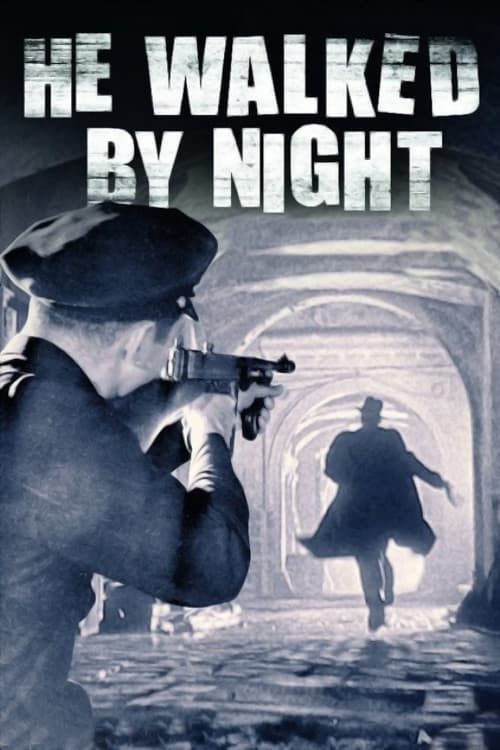
He Walked by Night is a standard 1949 crime thriller that functions as a product of its historical era. It relies heavily on established noir clichés and traditional social hierarchies, offering little in the way of demographic variety. The film's strength lies in its thematic exploration of a protagonist's struggle to reintegrate into society. This provides a nuanced look at how circumstances shape character and the tension between reform and a criminal past. However, the film lacks intentionality regarding identity. It reinforces the demographic homogeneity of the late 1940s, presenting a world that lacks queer, diverse, or disabled perspectives.
Category Breakdown
The film follows strict post-war conventions that assume everyone is straight or cisgender. There is no presence of queer subtext or non-cisgender identities.
Female characters are primarily defined by the femme fatale archetype. While the female lead drives the plot, her role is framed through moral instability and manipulation.
Casting is predominantly homogeneous, reflecting the era's systemic lack of diverse representation. The film lacks ethnic diversity or color-blind casting.
The narrative explores moral relativism through themes of recidivism and social reintegration. It focuses on individual struggles within existing legal frameworks rather than critiquing institutions.
The film does not engage with physical or neurodivergent disabilities. No such traits are portrayed within the primary cast or character arcs.
Present on Screen
Limited or Absent
Official Synopsis
Roy Martin aka Roy Morgan is a burglar and former war-time Radio & Electronics Engineer who listens in to radio police calls, allowing him to stay one step ahead of the cops.
1954
1948
1948
1946
1945
1951
1959
1950
No reviews yet. Be the first to share your thoughts on this movie!
Use the rating form above to leave a star rating and optional review.