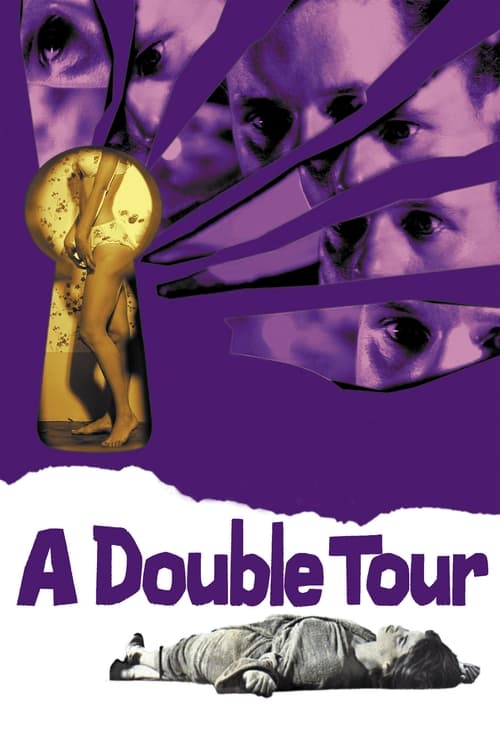
À double tour
1959
No user ratings available yet
Representation score: 2.8 out of 10

Representation Score
Fair
1967
NRDirector
Claude Chabrol
Runtime
98 minutes
Average Rating
No ratings yetNew Showbiz Analysis
Claude Chabrol's thriller dismantles bourgeois morality and social hierarchies. By focusing on a female protagonist's ability to drive the story and suspicion, it questions traditional gender roles and the stability of the domestic patriarch. However, the film reflects a highly homogenous and Eurocentric social environment, limiting its scope in terms of racial and cultural diversity. Despite this, it offers a critical perspective on established social orders and capitalist corruption, even if it adheres to mid-century cinematic conventions.
Category Breakdown
The film includes a gigolo husband, a role that challenges traditional marriage norms. Although his sexuality is not explicitly stated, his transactional relationships question conventional domestic arrangements.
The story is driven by a female character's suspicion and ability to act, shifting power dynamics away from traditional male-dominated narratives and subverting the mid-century domestic patriarch archetype.
The setting appears to inhabit a highly homogenous, Eurocentric upper-class milieu. There is no evidence of racial blending or non-Anglo-Saxon majority casting within the narrative.
The story critiques Western capitalist institutions through the lens of a champagne tycoon. It explores the moral instability and systemic injustice inherent in high-society structures.
There is no discernible evidence regarding the portrayal of physical or neurodivergent disabilities in the film.
Present on Screen
Limited or Absent
Official Synopsis
A champagne tycoon's partner suspects his partner's gigolo husband of murders he's been framed for.
1959
1969
1969

1958
1975
1954
1971
1973
No reviews yet. Be the first to share your thoughts on this movie!
Use the rating form above to leave a star rating and optional review.