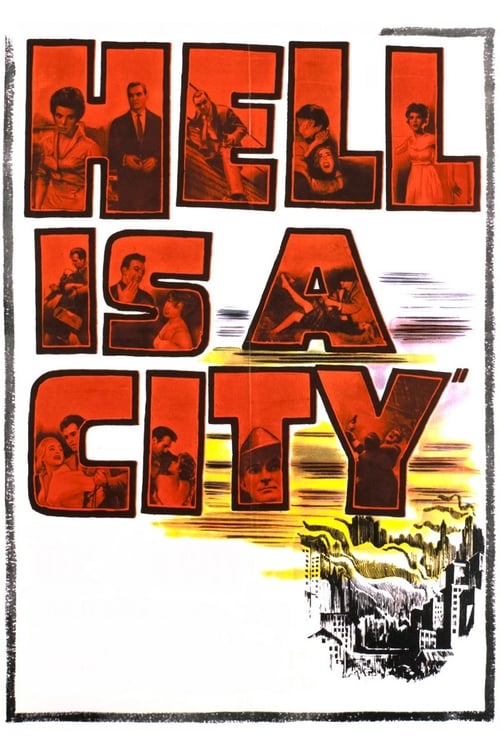
Hell Is a City
1960
No user ratings available yet
Representation score: 1.2 out of 10
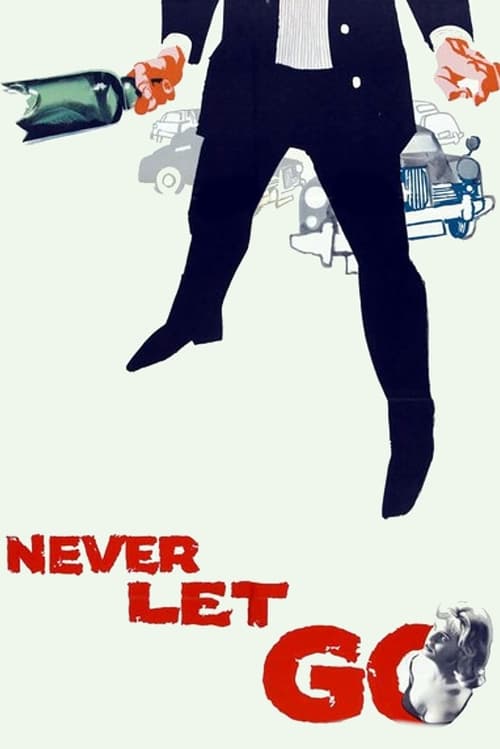
Representation Score
Minimal
1960
PGDirector
John Guillermin
Runtime
90 minutes
Average Rating
No ratings yetNew Showbiz Analysis
Never Let Go is a mid-century psychological thriller that adheres to the demographic and social boundaries of its era. The film prioritizes individual psychological tension and traditional genre clichés over any intentional subversion of cultural or social norms. The narrative lacks depth in representing multiple aspects of identity, presenting a homogeneous cast and a strictly straight-centered worldview. While it touches on themes of mental instability and domestic power imbalances, these elements reinforce traditional hierarchies rather than challenging them. Ultimately, the film functions as a conventional character study. It does not seek to disrupt systemic structures or provide representation for underrepresented identities, remaining firmly within the status quo of 1960s cinema.
Category Breakdown
The film operates within a strictly straight-centered framework. There is no discernible presence of LGBTQ+ characters or depictions of same-sex intimacy.
The narrative explores power imbalances through the psychological manipulation of a female protagonist. However, the female character's role remains limited by male dominance.
The cast appears homogeneous, reflecting standard Western casting practices of 1960. There is no evidence of non-white or non-Anglo-Saxon representation.
The story focuses on individual psychological struggles rather than systemic critiques. It functions as a character study within a conventional social framework.
Mental instability serves as a plot device for tension rather than providing real ability to act. The film relies on 'unstable' character clichés rather than nuanced depictions.
Present on Screen
Limited or Absent
Official Synopsis
John Cummings, an unsuccessful London cosmetics salesman, has his unpaid-for car stolen by a hood in the employ of Lionel Meadows, sadistic organiser of a car conversion racket. As the vehicle is uninsured, and since the police seem indifferent, Cummings decides to find it himself — and gets himself involved in an underworld battle.
1960
1955
1964

1950
1954

1960
1950
1949
No reviews yet. Be the first to share your thoughts on this movie!
Use the rating form above to leave a star rating and optional review.