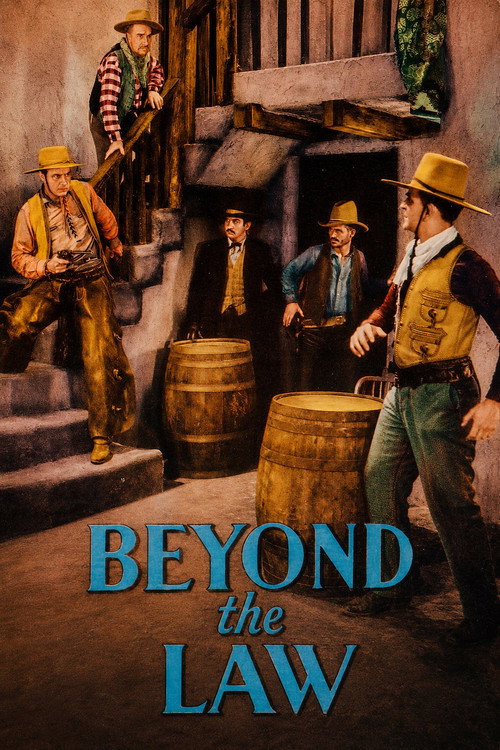
Beyond the Law
1930
No user ratings available yet
Diversity score: 1.4 out of 10
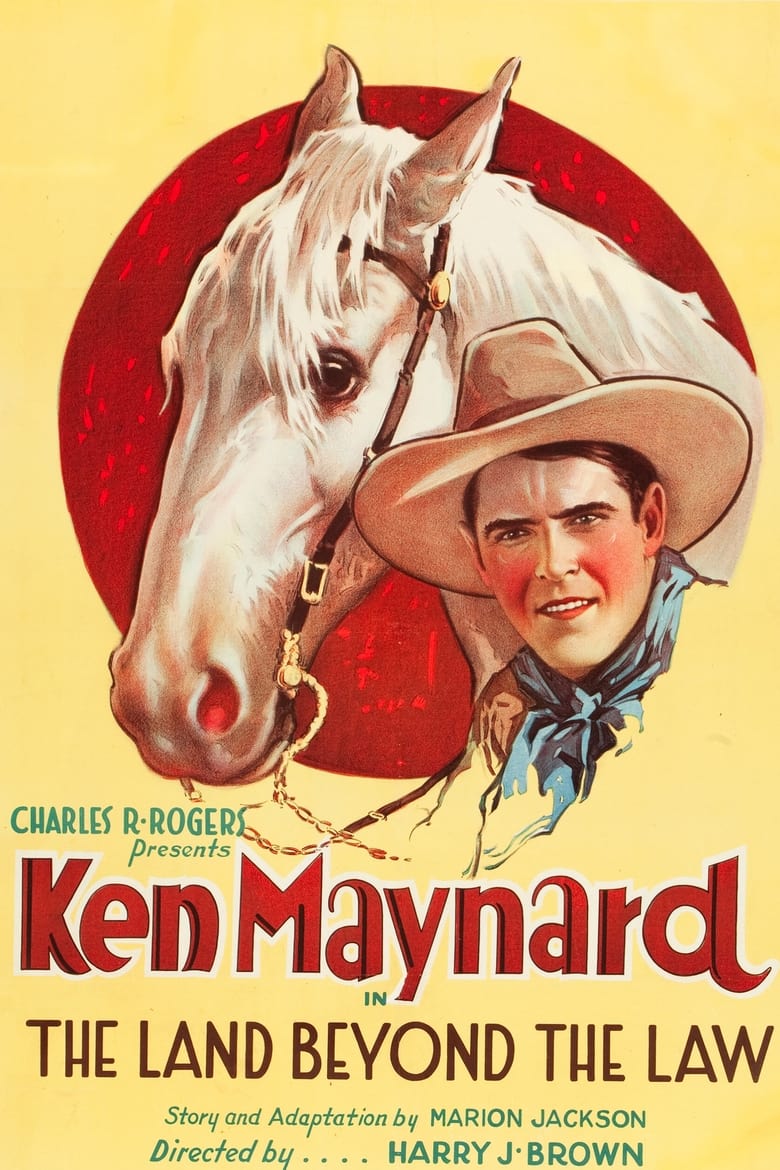
1927
PassedDirector
Harry Joe Brown
Runtime
70 minutes
Average Rating
No ratings yetSynopsis
Deputy Marshal Jerry Steele (Ken Maynard) heads off to Oklahoma where a gang of nasty cattle rustlers is terrorizing the local ranchers. After a bit of detective work -- greatly aided by a motley group of would-be outlaws deputized for the occasion -- Steele unmasks a supposedly upstanding citizen Bob Crew (Tom Santschi) as the leader of the rustlers.
Overall Score
Limited
Category Breakdown
LGBTQ+ Representation
The film lacks any evidence of LGBTQ+ characters or narratives. It adheres to the standard heteronormative tropes typical of 1927 silent cinema.
Gender Representation
Agency is concentrated in the male protagonist, Deputy Marshal Jerry Steele. The story reinforces traditional masculine leadership and the protector archetype without subverting gender hierarchies.
Racial & Ethnic Diversity
The narrative focuses on white settlers and lawmen as the primary drivers of the plot. There is no evidence of non-white agency within the Oklahoma setting.
Religious & Cultural Diversity
The film follows a conventional law versus lawlessness framework. It prioritizes the protection of property and the restoration of order through established institutional authority.
Disability Representation
There are no characters with visible or invisible disabilities portrayed with agency. No such representation is present in the narrative.
Strengths
Areas for Improvement
AI Analysis
This silent Western functions as a traditional genre piece that reinforces the social hierarchies of its era. The plot centers on a heroic lawman restoring order to the frontier, a structure that prioritizes clear moral dichotomies over complex character studies. Representation is heavily skewed toward a singular masculine archetype. The narrative lacks intersectional depth, focusing instead on the protection of ranchers and the enforcement of frontier justice through a predominantly white lens. Ultimately, the film serves as a standard example of early Hollywood Westerns, emphasizing institutional authority and traditional gender roles rather than offering any systemic critique or diverse perspectives.
1930
1932

1929
1940
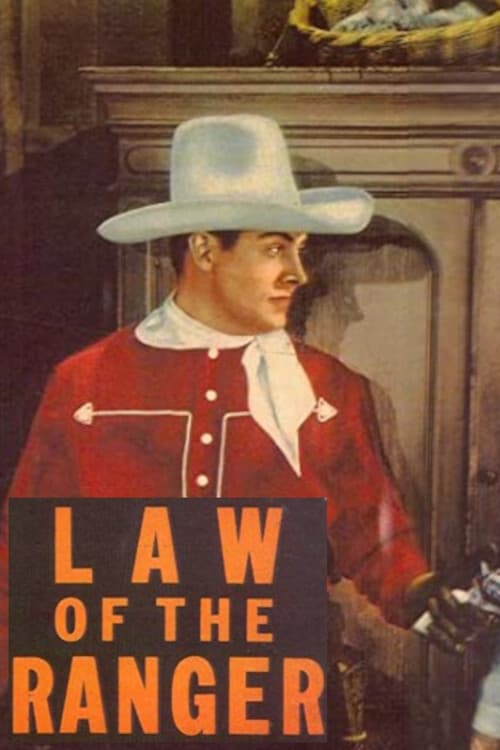
1937
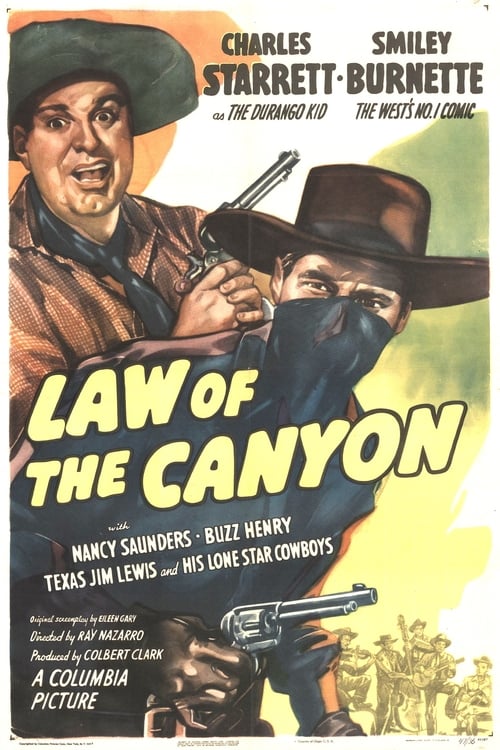
1947
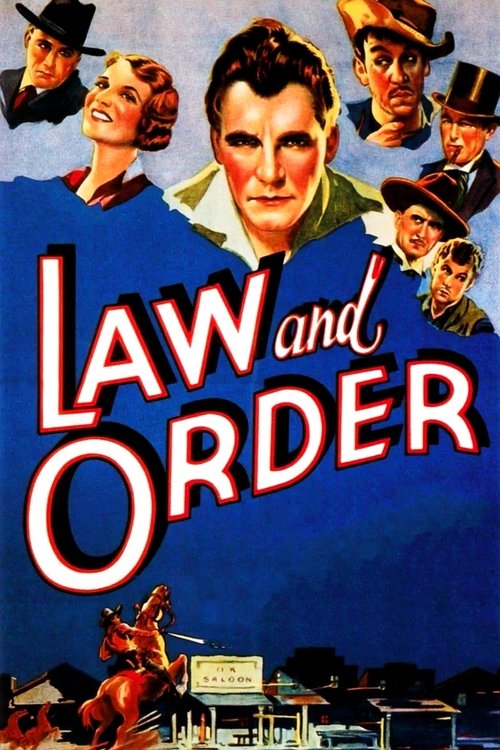
1932
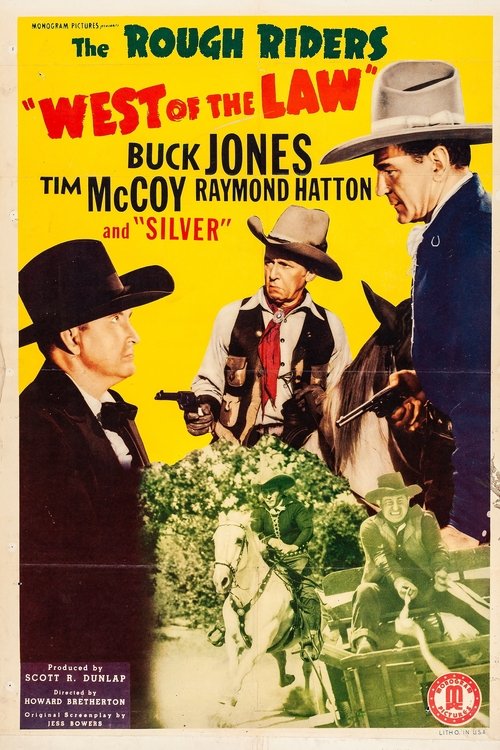
1942
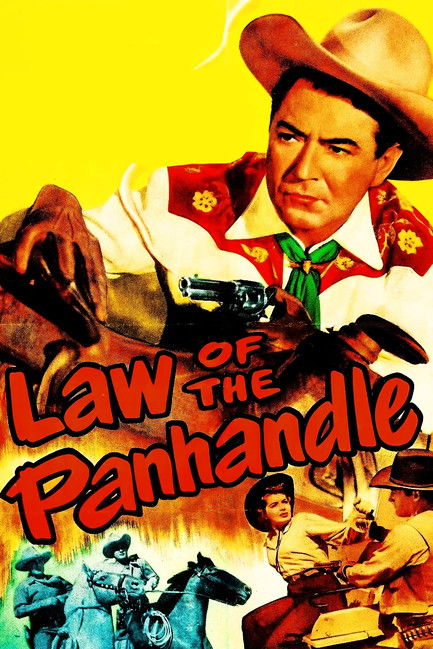
1950
1934
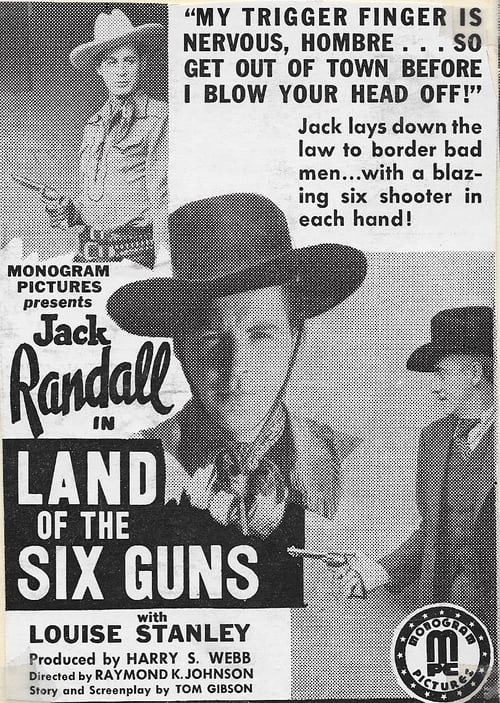
1940
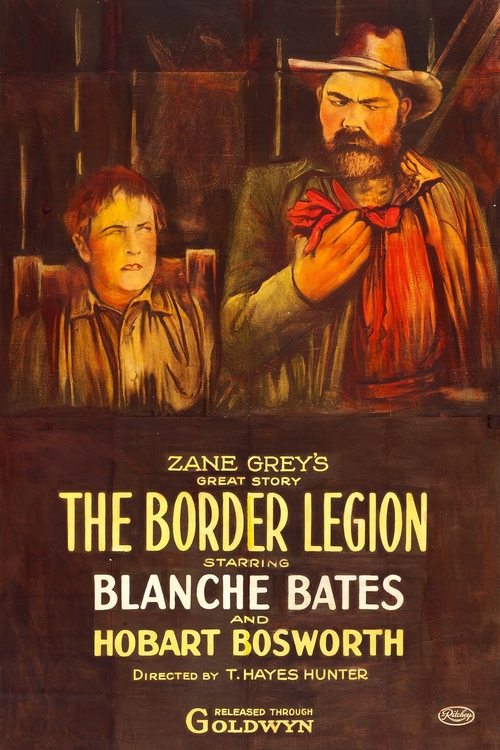
1918
No reviews yet. Be the first to share your thoughts on this movie!
Use the rating form above to leave a star rating and optional review.