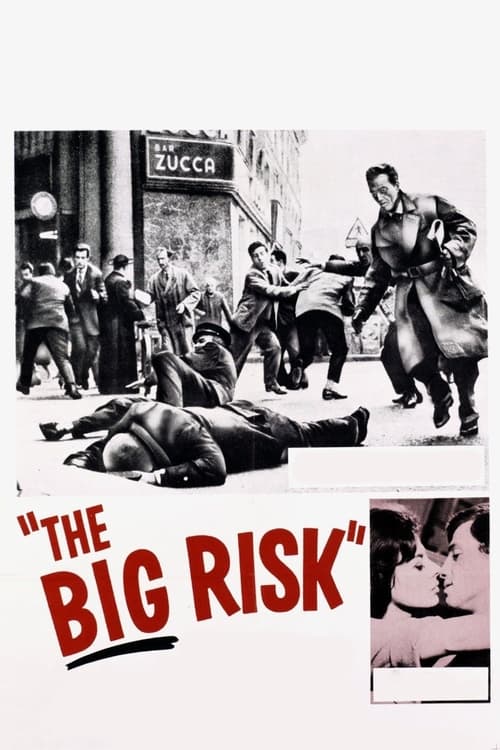
The Big Risk
1960
No user ratings available yet
Representation score: 2.9 out of 10

Representation Score
Minimal
1963
NRDirector
Henri Verneuil
Runtime
122 minutes
Average Rating
No ratings yetNew Showbiz Analysis
Any Number Can Win exemplifies mid-century European crime cinema, emphasizing genre conventions over social disruption. The narrative structure supports traditional hierarchies, highlighting masculine bonds and criminal activities. The film’s world is homogeneous, reflecting the era’s casting practices and local settings. It does not aim to challenge established social or racial norms, serving as a classic product of its time.
Category Breakdown
The film adheres strictly to the social norms of the 1960s. There is no indication of any queer subtext or non-straight identities.
Jeanne Moreau offers a sophisticated presence, but female influence remains tied to romantic contexts. The main criminal storyline centers around male pursuits.
The cast is primarily white and European, reflecting the Monte Carlo setting. The narrative does not explore diverse ethnic backgrounds or employ actors from different racial backgrounds.
The story focuses on the mechanics of a heist without addressing broader cultural critiques. It upholds a traditional moral stance typical of mid-century crime films.
Characters are portrayed through typical, able-bodied roles. There is no depiction of visible or invisible disabilities in the plot or character development.
Present on Screen
Limited or Absent
Official Synopsis
Charles, fresh out of jail, rejects his wife's plan for a quiet life of bourgeois respectability. He enlists a former cell mate, Francis, to assist him in pulling off one final score, a carefully planned assault on the vault of a Cannes casino.
1960

1952

1973

1972

1956

1968
1969

1957
No reviews yet. Be the first to share your thoughts on this movie!
Use the rating form above to leave a star rating and optional review.