
Bellamy
2009
No user ratings available yet
Representation score: 3.4 out of 10
Representation Score
Minimal
1968
TV-MADirector
Georges Lautner
Runtime
90 minutes
Average Rating
No ratings yetNew Showbiz Analysis
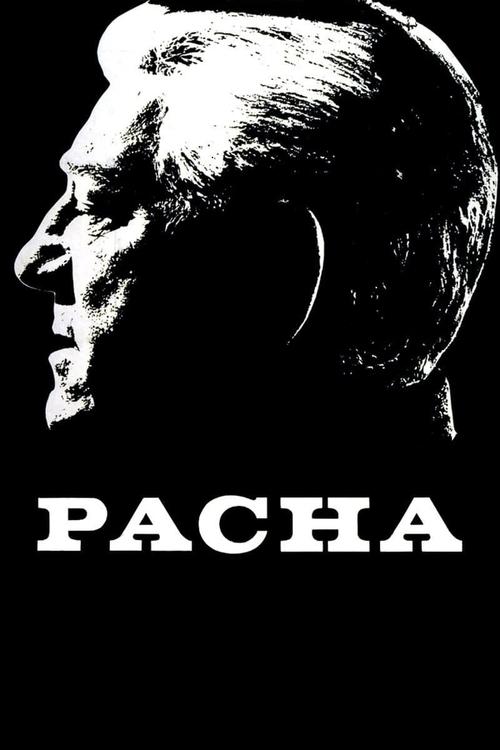
Pasha is a classic crime thriller that prioritizes the mechanics of the genre over social diversity. The film operates within the established demographic and social hierarchies of 1960s France, offering a narrow view of the Parisian landscape. While the protagonist’s individualistic approach to justice provides a slight departure from rigid institutionalism, the film remains largely conventional. It lacks intentional efforts to include non-European identities or to challenge traditional gender and social roles. Ultimately, the production serves the requirements of the 'policier' genre rather than pursuing diverse representation or systemic deconstruction.
Category Breakdown
The film does not include any LGBTQ+ characters or themes. It follows the heterosexual social norms typical of 1960s French commercial cinema.
Women appear across various social levels but have little control over their own lives. They mainly serve as comedic devices or catalysts for the male protagonist’s investigation.
The cast is overwhelmingly uniform, reflecting a localized and ethnically consistent depiction of Parisian society. There is no evidence of diverse ethnic representation.
The story centers on the Parisian underworld and traditional law enforcement. It lacks explicit ideological critiques or central themes related to secularism or atheism.
There is no representation of physical disabilities or neurodivergence. Characters with disabilities do not appear as central figures or plot agents.
Present on Screen
Limited or Absent
Official Synopsis
Six months before his retirement from the criminal police, inspector Joss finds his colleague Gouvion dead, in a poorly faked suicide attempt. Joss loses his temper, and investigates on his own, which leads him through the bas-fond of Paris...
2009
1979
1966
1974

1980
1948
1968
1973
No reviews yet. Be the first to share your thoughts on this movie!
Use the rating form above to leave a star rating and optional review.