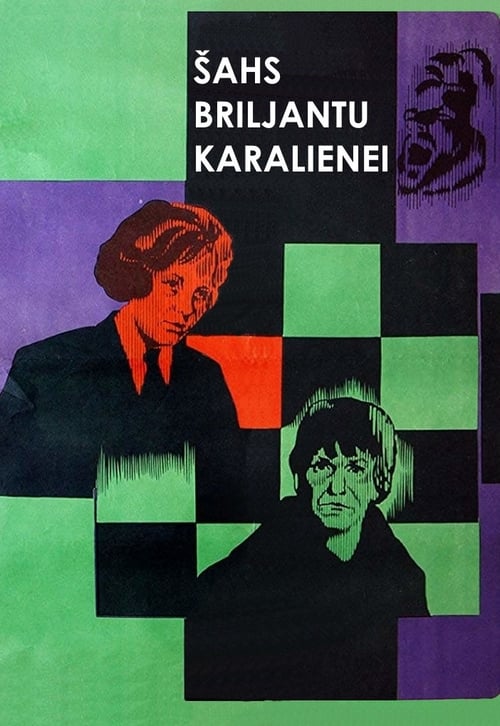
Checkmate to the Queen of Diamonds
1973
No user ratings available yet
Representation score: 3.6 out of 10
Representation Score
Limited
1975
PGDirector
Maximilian Schell
Runtime
106 minutes
Average Rating
No ratings yetNew Showbiz Analysis
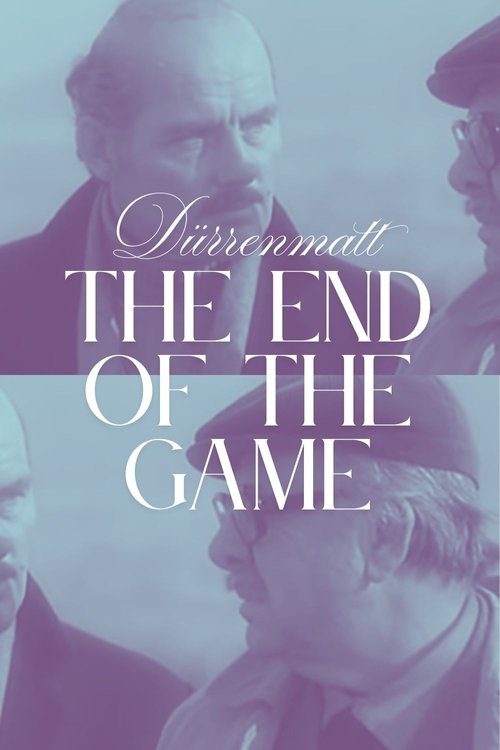
End of the Game is a traditional European crime drama that emphasizes psychological complexity and institutional corruption. The narrative centers on the tension between a detective and a powerful businessman, following the genre's standard formulas. The film lacks diverse representation and presents a largely homogeneous demographic reflective of its time period. While it addresses themes of moral relativism and power, it does not actively challenge identity hierarchies or provide diverse representation. Ultimately, the work functions as a character-driven procedural that adheres to the conventional social and demographic norms of the late 1970s.
Category Breakdown
The film does not include any explicit LGBTQ+ characters or narratives. It follows a traditional detective storyline set in the late 1970s.
Anna Crawley plays a significant role, but the investigation is mainly driven by male detectives Baerlach and Tschanz. This indicates a traditional structure where male characters lead the narrative.
The film reflects the demographic homogeneity typical of mid-century European crime dramas. The cast and setting are localized and do not show significant racial diversity.
The story examines the conflict between personal morality and systemic corruption. It critiques capitalist power structures through the protagonist's pursuit of a businessman, but it remains a traditional investigative drama.
There are no visible or mentioned depictions of physical or neurodivergent disabilities. No characters are identified as having disabilities within the narrative.
Present on Screen
Limited or Absent
Official Synopsis
Hans Baerlach is a Swiss police detective who has dedicated much of his career to pursuing powerful and allegedly murderous businessman Richard Gastmann. Though Baerlach's partner meets his demise while investigating Gastmann, his replacement, Walter Tschanz, is undaunted. Meanwhile, the lovely Anna Crawley becomes involved in the case, which proceeds to take many twists and turns.
1973
1947
1955
1983
1961
1949

1977
1948
No reviews yet. Be the first to share your thoughts on this movie!
Use the rating form above to leave a star rating and optional review.