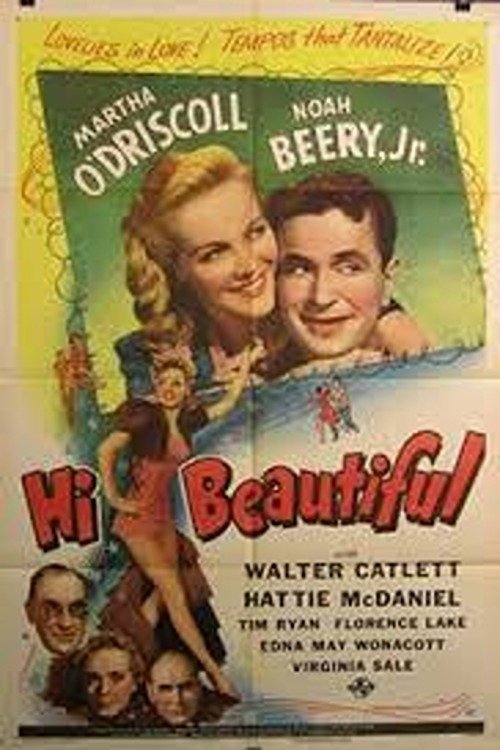
Hi, Beautiful
1944
No user ratings available yet
Representation score: 1.0 out of 10
Representation Score
Minimal
1936
PassedDirector
Theodore Reed
Runtime
71 minutes
Average Rating
No ratings yetNew Showbiz Analysis
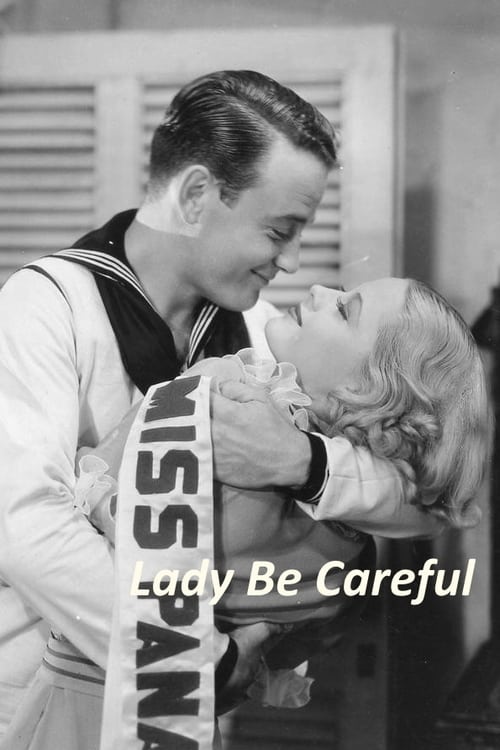
Lady Be Careful is a quintessential studio-era romantic farce that prioritizes conventional storytelling over social complexity. The plot is driven by a male sailor's bet to win over a distant beauty contestant, reinforcing mid-1930s gender dynamics. The film lacks diversity in almost every category, adhering to the era's standard of homogeneous, straight-centered casting. It functions as a period-typical entertainment piece that reinforces existing social hierarchies rather than challenging them. Ultimately, the film serves as a snapshot of 1936 genre filmmaking, where the focus remains on romantic reconciliation and traditional clichés rather than inclusive or diverse characterizations.
Category Breakdown
The film follows a traditional romantic comedy structure centered around a heterosexual bet. It adheres to the assumption that everyone is straight or cisgender, without exploring non-binary identities.
The plot relies on the 'ice queen' cliché, where the female lead's personality serves as a challenge for the male protagonist. This dynamic positions women's ability to drive the story as secondary to the male lead's romantic conquest.
The narrative focuses on a standard ensemble of sailors and beauty contestants. It reflects the homogeneous casting norms of the era, featuring a predominantly white cast.
The story reinforces conventional social structures and the pursuit of romantic stability. It follows a standard trajectory toward a traditional happy ending, aligning with Western institutions.
The film does not feature characters with visible or invisible disabilities. No representation of disability is present in the narrative.
Present on Screen
Limited or Absent
Official Synopsis
Previously filmed in 1930 as True to the Navy, Kenyon Nicholson's old stage farce Sailor Beware returned to the screen in 1936 as Lady Be Careful. The plot remains substantially the same, as an amorous sailor named Dynamite (Lew Ayres) bets his pals that he can "thaw" icy beauty-contest winner Billie (Mary Carlisle). What follows is a series of misunderstandings, arguments and reconciliations, all wrapped up in a happy-ever-after conclusion.
1944
1937
1946

1930
1933
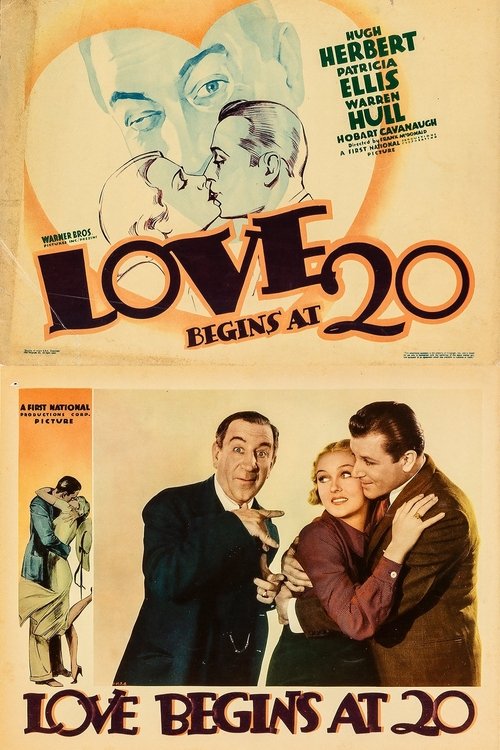
1936

1936
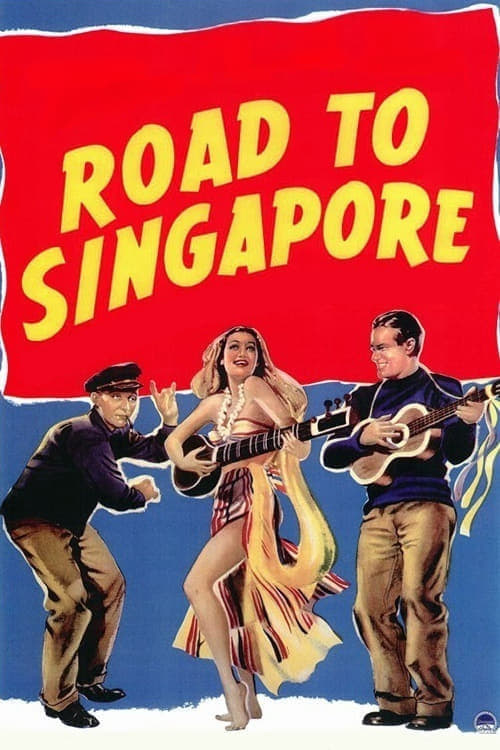
1940
No reviews yet. Be the first to share your thoughts on this movie!
Use the rating form above to leave a star rating and optional review.