
The Old Homestead
1935
No user ratings available yet
Representation score: 2.9 out of 10
Representation Score
Minimal
1938
ApprovedDirector
Ray Enright
Runtime
77 minutes
Average Rating
No ratings yetNew Showbiz Analysis
Swing Your Lady is a classic example of 1930s Hollywood cinema, emphasizing escapism and traditional social structures. The film uses well-known story types to create its musical comedy, offering little challenge to the norms of the time. While Sadie Horn’s role as a strong blacksmith introduces a new perspective on femininity, the overall narrative stays true to conventional romantic storylines. The film focuses on a white community, reflecting the demographics of its era. Ultimately, Swing Your Lady reinforces existing social hierarchies without exploring diverse cultural or multi-layered identities.
Category Breakdown
The film follows traditional romantic storylines of the 1930s. There are no representations of LGBTQ+ relationships or identities.
Sadie Horn stands out as a strong female character who works as a blacksmith. However, the story ends with a traditional romantic resolution.
The cast is mostly made up of white actors, reflecting a white working-class community. There are no significant roles for characters of color with substantial influence.
The story highlights community spirit and music as a form of escape during the Great Depression. It emphasizes social unity without questioning institutional power.
There are no depictions of visible or invisible disabilities. Characters are presented within the bounds of standard physical capability typical of the genre.
Present on Screen
Limited or Absent
Official Synopsis
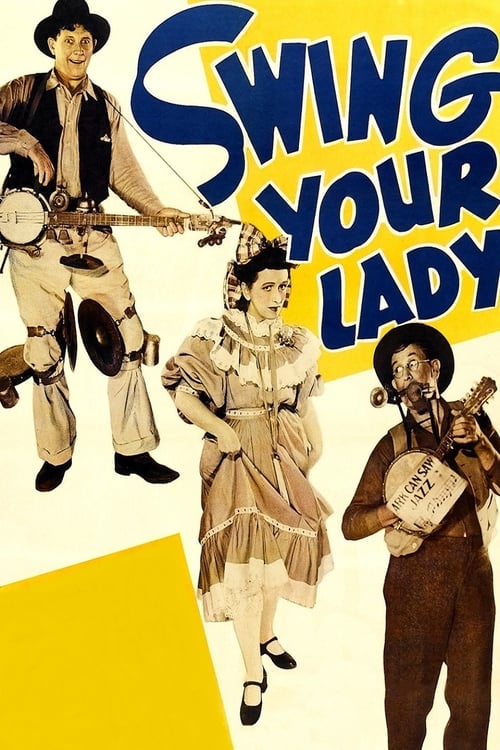
Promoter Ed Hatch comes to the Ozarks with his slow-witted wrestler Joe Skopapoulos whom he pits against a hillbilly Amazon blacksmith, Sadie Horn. Joe falls in love with her and won't fight. At least not until Sadie's beau Noah shows up.
1935

1936

1935
1935
1936
1928

1935
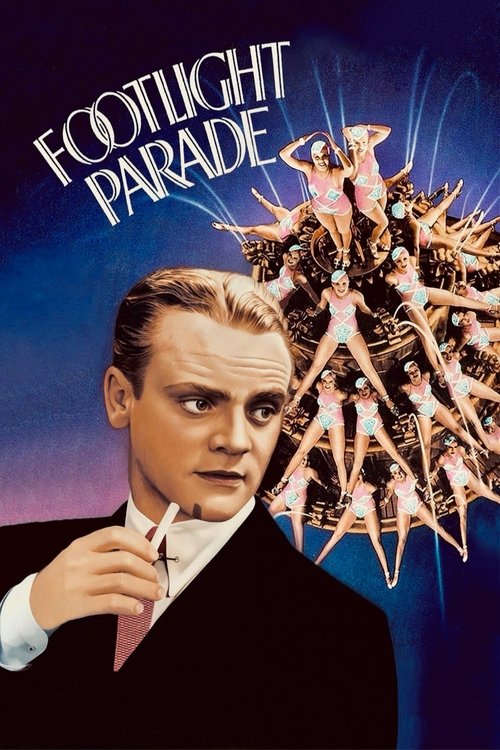
1933
No reviews yet. Be the first to share your thoughts on this movie!
Use the rating form above to leave a star rating and optional review.