Dauria
1972
No user ratings available yet
Representation score: 4.2 out of 10
Representation Score
Limited
1966
Director
Boris Kimyagarov
Runtime
92 minutes
Average Rating
No ratings yetNew Showbiz Analysis
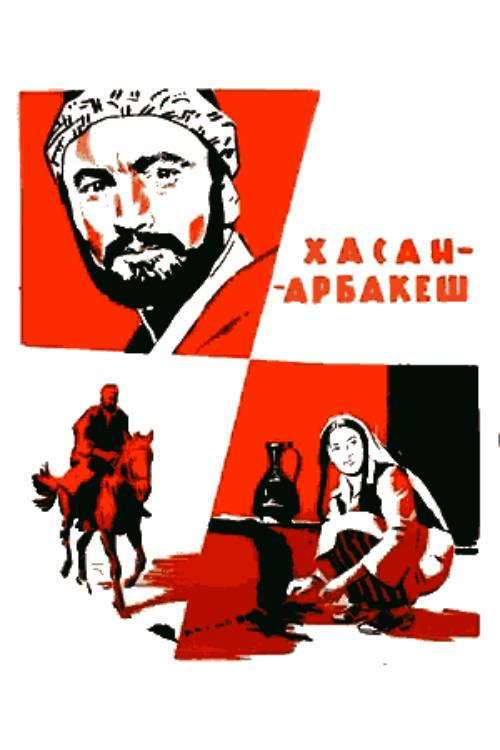
Hasan Arbakesh serves as a significant study of cultural friction during the 1920s and 1930s. It succeeds by centering the ability to act of a underrepresented ethnic group amidst intense systemic upheaval. The film's strength lies in its ability to explore identity politics through the lens of class and cultural survival. However, the film lacks contemporary markers of LGBTQ+ or disability representation. The narrative is heavily anchored in a patriarchal framework, which limits the scope of gendered ability to act to the male protagonist's struggle.
Category Breakdown
The film does not include any representation of LGBTQ+ identities or non-cisgender gender narratives. It focuses on class and cultural struggles rather than sexual orientation.
The narrative centers on the male experience of socio-political change within a patriarchal, agrarian framework during a period of shifting domestic hierarchies.
The film offers high ethnic specificity by centering on Tajik identity. It provides a localized perspective that disrupts Eurocentric lenses through the lived experience of Central Asian peoples.
The story portrays the painful evolution from old customs to a new social order. It critiques traditionalism while exploring the deconstruction of imperialist-adjacent power dynamics.
There is no evidence suggesting that disability or neurodivergence plays a role in the character arcs or plot mechanics.
Present on Screen
Limited or Absent
Official Synopsis
A story about the clash of two cultures, two worlds - traditional Tajik culture and the new, invading and imperialist in its nature, Soviet culture, about the formation of self-awareness of the Tajik dekhkanin in the 1920s-1930s.... Poor Hasan thinks and experiences a lot before he is able to comprehend the changes in his life, to realize that old traditions and customs are no longer valued. Bent by need and disenfranchisement, he finds the strength to stand up against the Basmachi.
1972

1964
1972
1982
1974
1969

1964

1957
No reviews yet. Be the first to share your thoughts on this movie!
Use the rating form above to leave a star rating and optional review.