The Serf Actress
1963
No user ratings available yet
Representation score: 4.6 out of 10
Representation Score
Limited
1973
Director
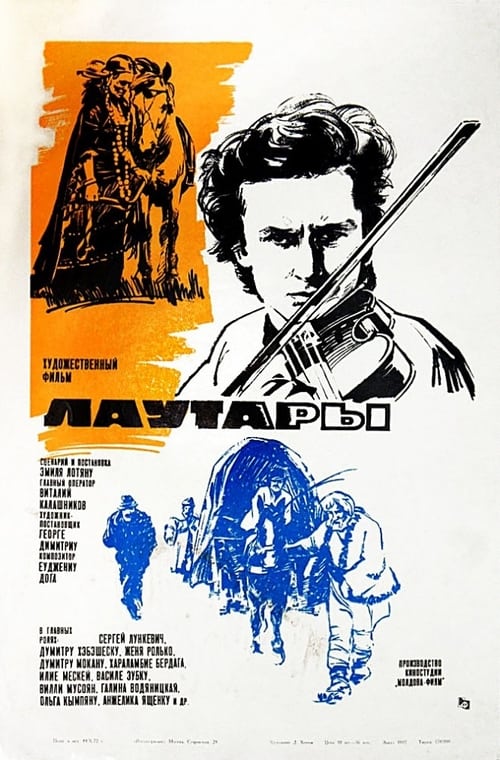
Emil Loteanu
Runtime
140 minutes
Average Rating
No ratings yetNew Showbiz Analysis
Fiddlers (1973) is a historically rich drama that centers the Romani musical tradition. It goes beyond simplistic stereotypes to depict a nomadic community with complex social structures and specialized artistry. However, the film remains confined by traditional gender roles and lacks LGBTQ+ representation. Female characters are deeply emotional but often operate within a patriarchal framework defined by their relationships to men. Overall, the film provides a critical perspective on Western social hierarchies by presenting royal courts through the eyes of traveling outsiders.
Category Breakdown
The film follows the heterosexual norms of its time. There are no representations of non-binary gender identities or same-sex relationships.
The story follows a traditional patriarchal structure. Although Leanca plays a key role in driving the plot, her influence is closely tied to her relationship with the male lead.
The film showcases Romani identity with strong ability to act and unique skills. It challenges Western dominance by focusing on a nomadic group as the main force behind the story.
The story offers a nuanced critique of established power structures and class systems. It highlights communal traditions over individualistic values of the ruling classes.
There is no significant depiction of visible or invisible disabilities in the narrative.
Present on Screen
Limited or Absent
Official Synopsis
Leader of a traveling gypsy band from the steppes of Bessarabia (now Moldova), Toma Alistar is a skilled violinist whose fame takes him on tours around European capitals and royal courts. He remains obsessed with his first love, beautiful Leanca who was married elsewhere while Toma was traveling, and spends his life and fortune trying to find her.
1963
1998
1978
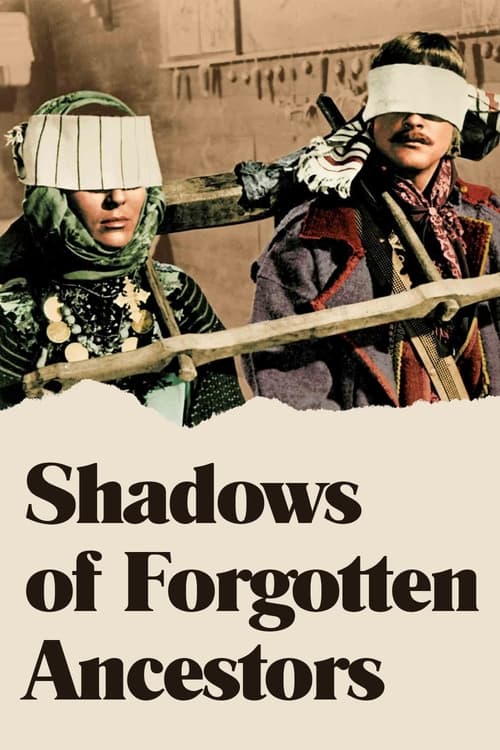
1965
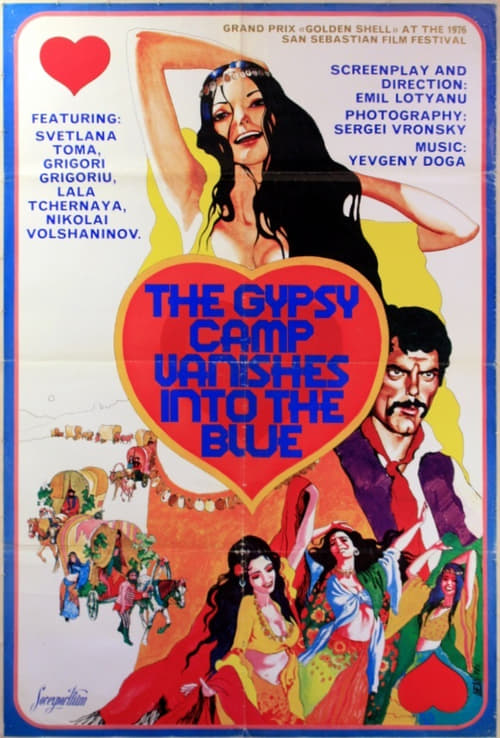
1976
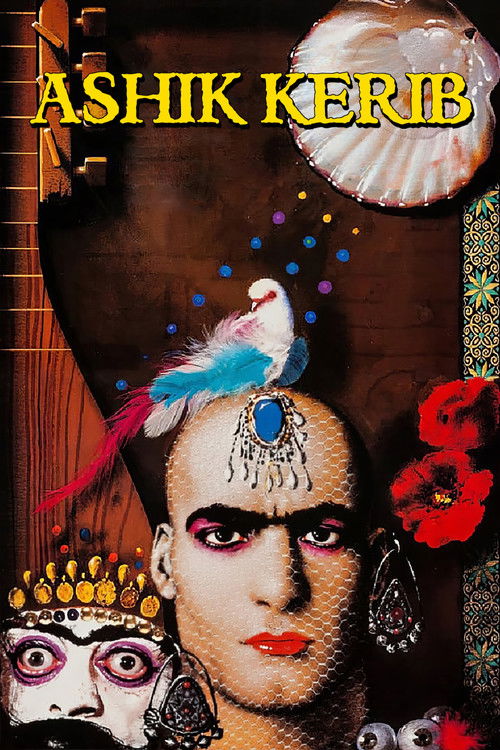
1988

2006
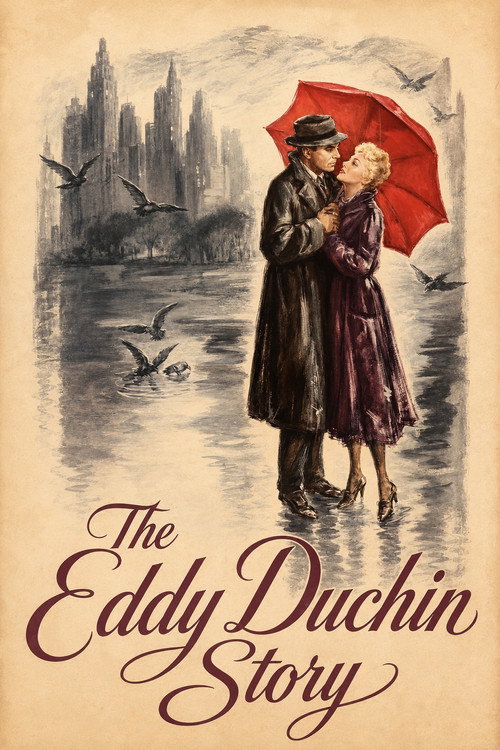
1956
No reviews yet. Be the first to share your thoughts on this movie!
Use the rating form above to leave a star rating and optional review.