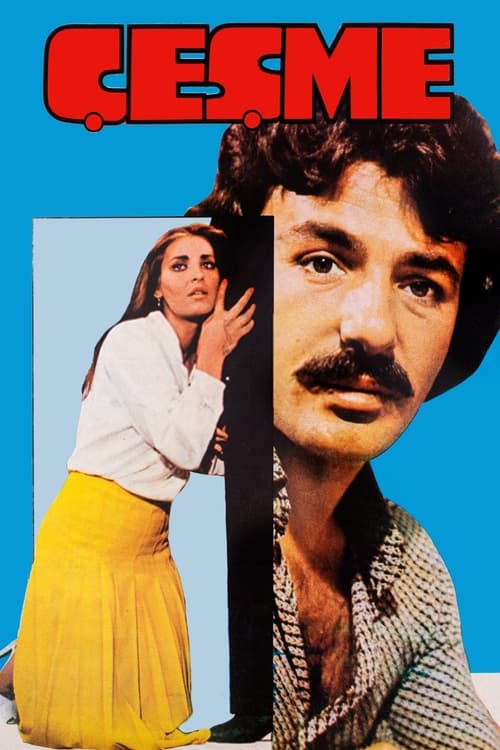
Çeşme
1977
No user ratings available yet
Representation score: 1.8 out of 10
Representation Score
Fair
1978
Director
Temel Gürsu
Runtime
83 minutes
Average Rating
No ratings yetNew Showbiz Analysis
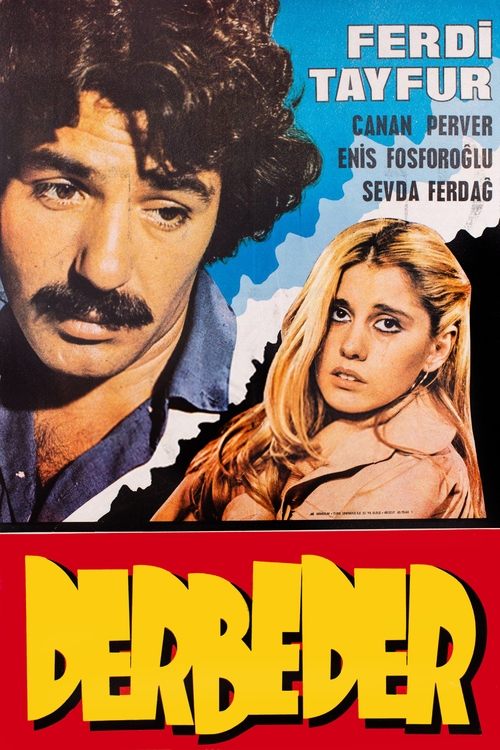
Derbeder is a period-specific drama that prioritizes class conflict and traditional romantic tragedy over modern characters who reflect more than one aspect of diversity. The film's strength lies in its critique of how wealth accumulation destroys social cohesion and kinship. However, the work remains limited by its narrow focus on straight relationships and the constrained role of its female lead. While it provides a meaningful look at Turkish socioeconomic shifts, it lacks diversity in terms of LGBTQ+ identities and multi-ethnic casting. Ultimately, the film functions as a study of systemic struggle and the corruption of patriarchal authority rather than a vehicle for diverse identity representation.
Category Breakdown
The story revolves around a traditional heterosexual romance and does not include any queer subtext or non-cisgender identities.
İpek serves as a central emotional figure, but her role is limited by patriarchal authority. Ferdi challenges social stability, yet the story relies on conventional romantic clichés.
The film centers on internal Turkish social stratifications and does not feature multi-ethnic casting. It provides a specific cultural lens focused on non-Western social dynamics.
The story critiques how sudden wealth erodes traditional communal bonds and kinship. The move from rural life to Istanbul highlights the pressures of shifting class structures.
There is no mention of characters navigating physical or neurodivergent disabilities within the story.
Present on Screen
Limited or Absent
Official Synopsis
This is a tragic love story between the Agha's daughter İpek and the poor farmhand Ferdi. The two lovers, who grew up in the same village, separated when İpek moved to the city, but their love continued. Despite the kinship between Abbas Agha and Ferdi's father, the Agha's change of heart when he inherits money puts an end to the friendship. Despite his father's warnings about Ipek, Ferdi doesn't listen and moves to the city, thinking that Abbas Agha will help him. As Agha despises Ferdi, he endures every insult and hardship for his love. Realizing that he cannot be with İpek while he's poor, there is only one way left for the young man to realize his dreams: to go to Istanbul.
1977

1977

1978

1965

1970

1973
1959
1980
No reviews yet. Be the first to share your thoughts on this movie!
Use the rating form above to leave a star rating and optional review.