Mondo
1995
No user ratings available yet
Representation score: 8.0 out of 10
Representation Score
Good
2006
Director
Tony Gatlif
Runtime
103 minutes
Average Rating
No ratings yetNew Showbiz Analysis
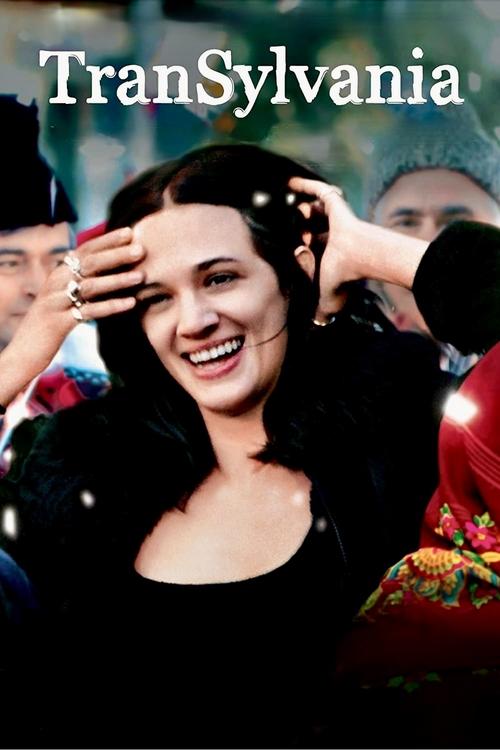
Tony Gatlif’s work succeeds by centering the Romani experience through a lens of cultural autonomy. By prioritizing lived experience and musical expression, the film disrupts the tendency to treat underrepresented groups as exoticized subjects. The film's greatest achievement is its reclamation of identity. It avoids the Western gaze by making Romani social customs the foundation of the story, providing high ability to act to its characters. However, the film remains limited in its scope regarding LGBTQ+ and disability representation. While it excels in ethnic and cultural specificity, it does not explore non-assuming gender matches what was assigned at birth identities or specific neurodivergent experiences.
Category Breakdown
The film doesn't feature many LGBTQ+ characters or stories. Relationships focus on traditional romance and community bonds.
Zingarina is shown as a strong, resilient woman. Her journey through abandonment and pregnancy highlights her personal strength and resilience.
The film focuses on a Romani-majority world, avoiding including someone from a minority group without giving them real depth. Romani music and language play key roles in the narrative, not just as background.
The film emphasizes preserving Romani heritage. It challenges cultural homogenization by valuing communal musical traditions and internal community logic.
There are no prominent depictions of physical or neurodivergent disabilities. Emotional vulnerability is treated as a universal experience rather than a specific condition.
Present on Screen
Limited or Absent
Official Synopsis
Zingarina arrives in Transylavania, accompanied by her close friend Marie and her guide and interpreter Luminitsa. She is not there only to visit this region of Romania but to trace her lover Milan, a musician who has made her pregnant and who left her without a word of explanation. When she finds him back, he brutally rejects her and Zingarina is terribly upset. She leaves her two companions and having become a wreck she hardly survives by following a wandering little girl. Her destiny changes for the best when she meets Tchangalo, a traveling trader...
1995
2009
2016
1965
2019
1999

2015

2004
No reviews yet. Be the first to share your thoughts on this movie!
Use the rating form above to leave a star rating and optional review.