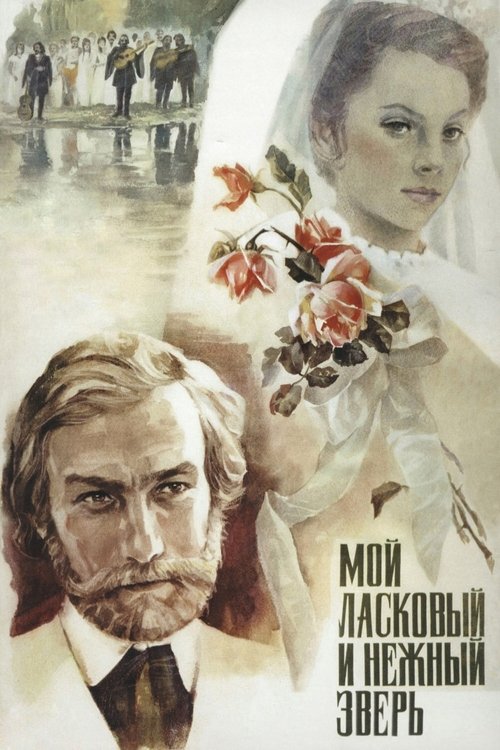
My Tender and Affectionate Beast
1978
No user ratings available yet
Representation score: 3.8 out of 10
Representation Score
Good
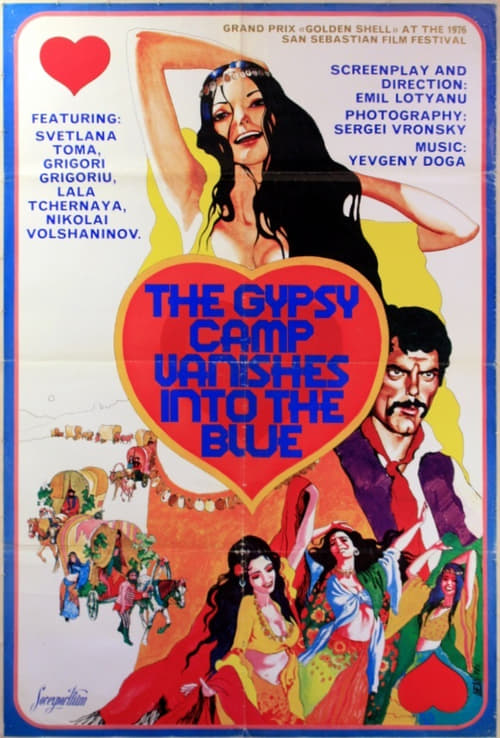
1976
Director
Emil Loteanu
Runtime
0 minutes
Average Rating
No ratings yetNew Showbiz Analysis
Emil Loteanu’s melodrama succeeds by placing a underrepresented Romani community at the heart of the story. Rather than treating their culture as a peripheral backdrop, the film uses their nomadic lifestyle to challenge the rigid structures of the Austro-Hungarian Empire. The film's strength lies in its subversion of traditional hierarchies. By centering on a rebellious female lead and an outlaw protagonist, the story prioritizes individual ability to act and ethnic identity over mainstream Western cinematic norms of the 1970s. However, the film remains anchored in a central traditional romance. While it disrupts gendered power dynamics, it does not offer visibility for LGBTQ+ identities, focusing instead on a traditional, albeit tragic, romantic pairing.
Category Breakdown
The film focuses on a traditional romantic tragedy between Rada and Zobar. Although it explores unconventional passion that challenges societal norms, it does not explicitly represent LGBTQ+ identities or non-binary gender expressions.
Rada is a rebellious protagonist whose emotional intensity and strong personality drive the plot. The film avoids portraying her in a traditionally submissive role, instead showing a dynamic relationship where she holds significant influence.
The film excels by centering a Romani nomadic community as its main characters. This allows characters of color to play key roles and use their lifestyle to critique the surrounding imperial structures.
The narrative positions systemic outsiders as the moral center by framing the protagonists as outlaws. It prioritizes communal identity and personal passion over state, religious, or imperialist social orders.
There is no significant evidence regarding the portrayal of visible or invisible disabilities within the narrative.
Present on Screen
Limited or Absent
Official Synopsis
This colourful, music-filled and sensual melodrama based on early stories by Maxim Gorky tells the fatal love story between the beautiful and rebellious girl Rada and the handsome horse thief Zobar. The story is set in early 20th century Bessarabia, now part of Moldova, then belonging to the Austro-Hungarian Empire.
1978
1965
1981
1987
1971
1969
1980
1971
No reviews yet. Be the first to share your thoughts on this movie!
Use the rating form above to leave a star rating and optional review.