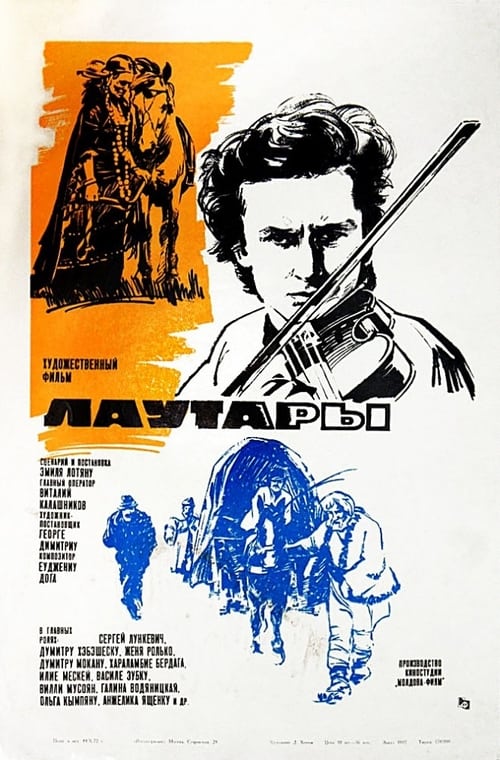
Fiddlers
1973
No user ratings available yet
Representation score: 3.8 out of 10
Representation Score
Fair
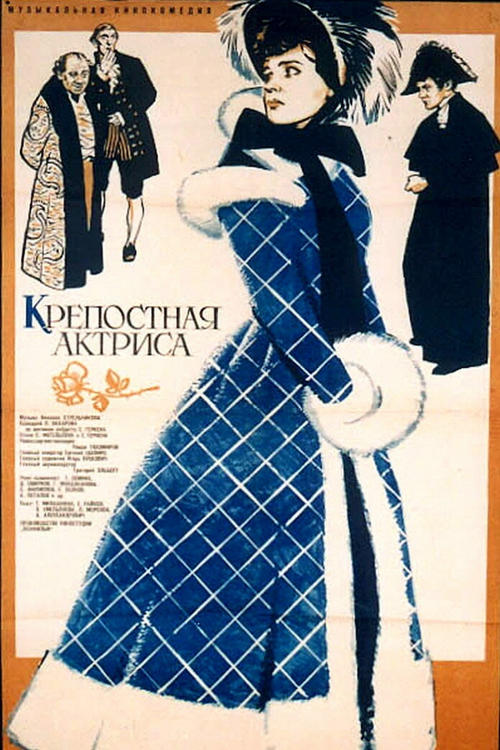
1963
Director
Roman Tikhomirov
Runtime
101 minutes
Average Rating
No ratings yetNew Showbiz Analysis
The film serves as a critique of the arbitrary nature of class and legal identity. By focusing on a former serf who gains international recognition, the story challenges traditional 19th-century Russian hierarchies. Though the film doesn't incorporate contemporary markers of diversity related to race or gender identity, it elevates a underrepresented female voice. The protagonist's journey explores talent and mobility against inherited status. Ultimately, the work emphasizes dismantling oppressive social structures over diverse demographic representation.
Category Breakdown
The film adheres to traditional heterosexual storylines without featuring any LGBTQ narratives or identities.
Batmanova holds a powerful position in culture and art but her story is mainly driven by romantic pursuits.
The casting likely mirrors the ethnic makeup of 19th-century Russian society, focusing on class divisions rather than ethnic diversity.
The story offers a nuanced look at systemic oppression and the institution of serfdom, highlighting the struggle for personal freedom against strict social hierarchies.
The narrative does not include any representation of physical or neurological differences.
Present on Screen
Limited or Absent
Official Synopsis
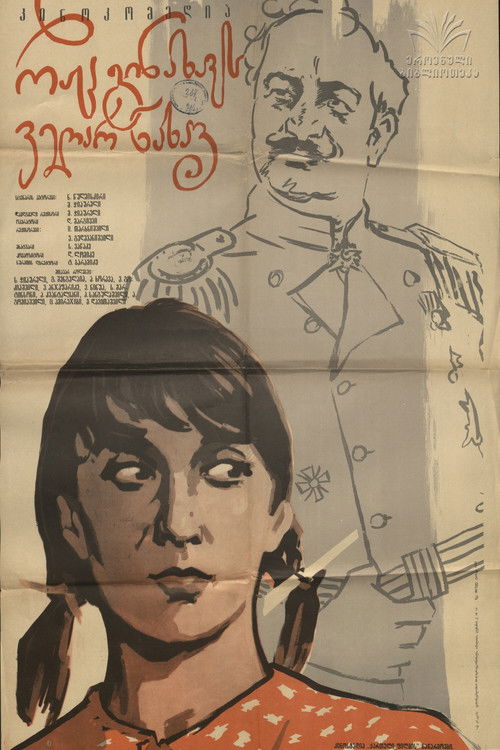
Batmanova, once a serf, sets Paris aflame with her singing and now returns to the court of the Prince in 19th-century Russia. The Prince wants Batmanova for himself, but she loves a young nobleman who is technically still a serf because his papers have been lost.
1973
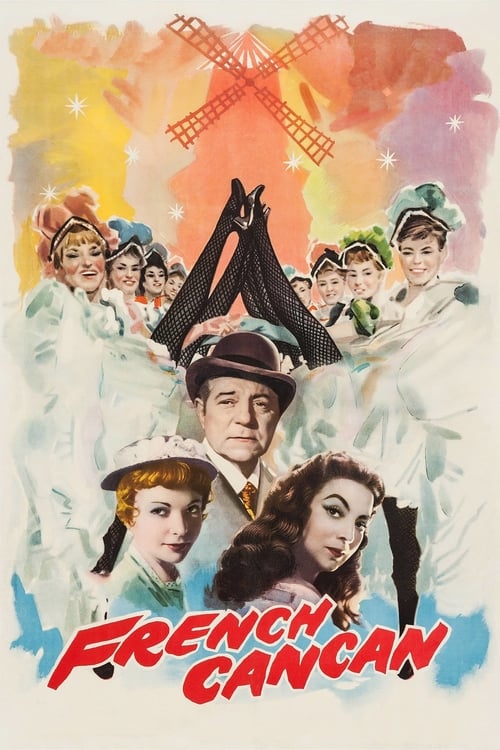
1955
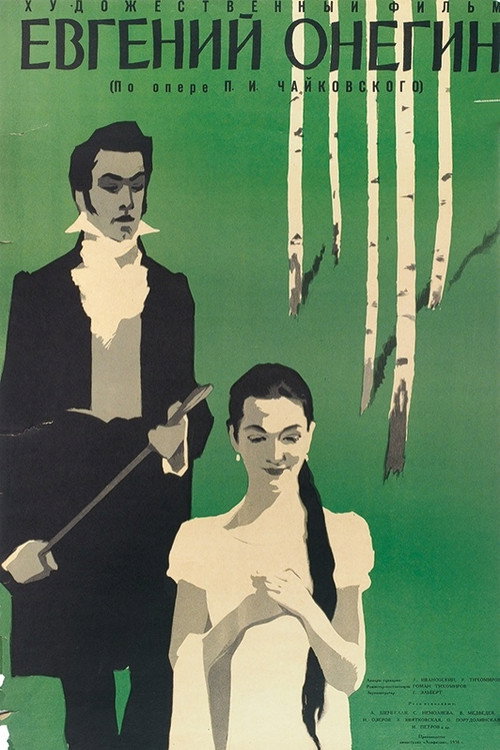
1959
1955
1965
1934
1936
1930
No reviews yet. Be the first to share your thoughts on this movie!
Use the rating form above to leave a star rating and optional review.