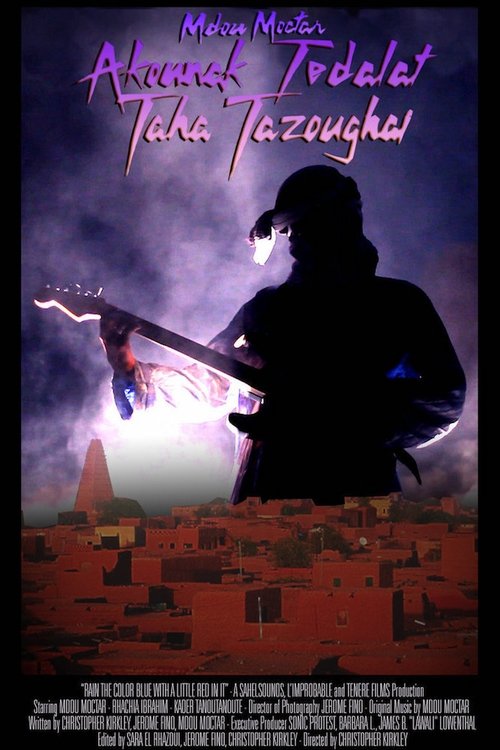
Rain the Color of Blue with a Little Red in It
2015
No user ratings available yet
Representation score: 6.4 out of 10
Representation Score
Good
1998
UnratedDirector
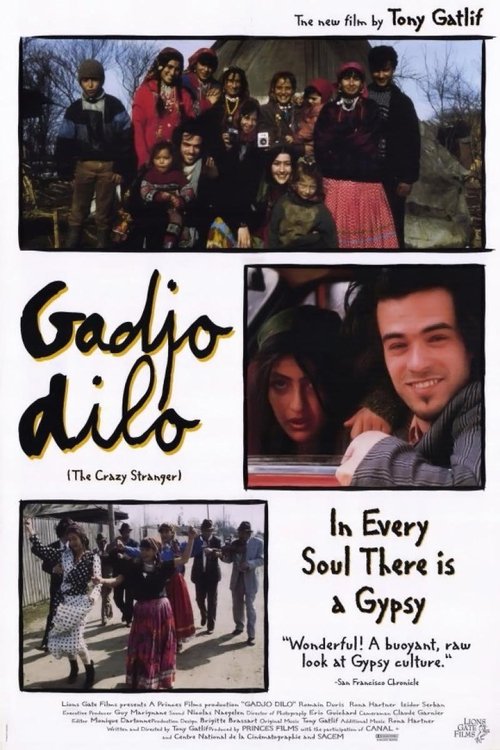
Tony Gatlif
Runtime
102 minutes
Average Rating
No ratings yetNew Showbiz Analysis
Tony Gatlif’s work succeeds by placing Romani culture at the absolute center of the cinematic experience. Rather than treating the community as a backdrop, the film presents a complex social hierarchy that drives the moral and aesthetic landscape. The film effectively challenges Western-centric storytelling by framing the protagonist as a student of a culture he does not fully understand. This shift in power dynamics allows for a sophisticated critique of settled, capitalist social structures. While the film excels in ethnic and cultural immersion, it remains limited in its exploration of explicit LGBTQ+ identities and disability representation.
Category Breakdown
The film explores a cross-cultural romance between a non-Romani man and a Romani woman. While it doesn't explicitly address LGBTQ+ identities, the protagonist's outsider status challenges traditional social norms.
Romani female characters serve as emotional and cultural anchors through their musical skills. The male protagonist often appears vulnerable, subverting the stereotype of the conquering male traveler.
The narrative centers Romani identity, moving it from the periphery to the core. It avoids a tourist perspective by showing a community with deep internal logic and control over their own lives.
The story critiques Western institutional norms by prioritizing nomadic spirituality and communal bonds. The protagonist must unlearn his settled preconceptions to find genuine connection.
There are no prominent depictions of visible or invisible disabilities serving as central narrative arcs.
Present on Screen
Limited or Absent
Official Synopsis
A man is looking for a singer he had heard on cassette. He finds much more.
2015
1986

2018

1994

1992

2023

2001

1973
No reviews yet. Be the first to share your thoughts on this movie!
Use the rating form above to leave a star rating and optional review.