Shakedown
1950
No user ratings available yet
Representation score: 0.8 out of 10
Representation Score
Fair
1954
Director
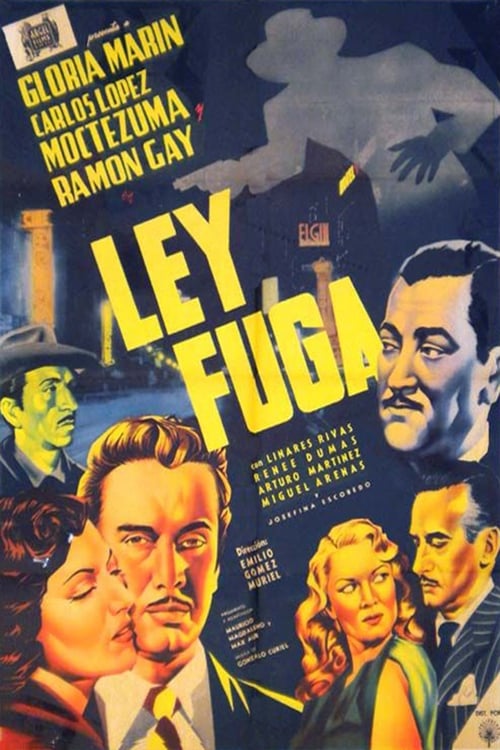
Emilio Gómez Muriel
Runtime
84 minutes
Average Rating
No ratings yetNew Showbiz Analysis
Ley fuga is a crime drama that provides a meaningful departure from Hollywood's Western-centric perspectives by centering Mexican socio-political upheaval. It uses the backdrop of the Mexican Revolution to engage with themes of class and post-colonial identity. However, the film remains constrained by the social norms of its era. The narrative is heavily centered on masculine authority and patriarchal structures, offering little room for gender diversity or LGBTQ+ representation. Ultimately, the film's strength lies in its institutional critique. By blurring the lines between law enforcement and criminality, it deconstructs traditional concepts of absolute morality and state-sanctioned justice.
Category Breakdown
The film follows the straight-centered social structures typical of 1950s Mexican cinema. There are no LGBTQ+ characters or non-straight narratives.
The story focuses on a male officer navigating a patriarchal police hierarchy. It lacks significant women's ability to drive the story or challenges to traditional gender roles, reflecting mid-century cinematic norms.
As a Mexican production, the film centers a non-Anglo-Saxon perspective. It uses the Mexican Revolution to explore struggles related to post-colonial identity and class-based identity.
The narrative critiques formal legal institutions through the concept of extrajudicial execution. It explores moral relativism and the breakdown of state authority during lawless times.
There is no evidence of characters with visible or invisible disabilities within the film.
Present on Screen
Limited or Absent
Official Synopsis
As he rises through the ranks of the police department, a young officer gets more deeply involved in manipulating gang activity for personal gain.
1950
1949
1956
1950
1950

1959
1949
1951
No reviews yet. Be the first to share your thoughts on this movie!
Use the rating form above to leave a star rating and optional review.