The Boss
1956
No user ratings available yet
Representation score: 1.2 out of 10
Representation Score
Minimal
1950
NRDirector
Joseph Pevney
Runtime
80 minutes
Average Rating
No ratings yetNew Showbiz Analysis
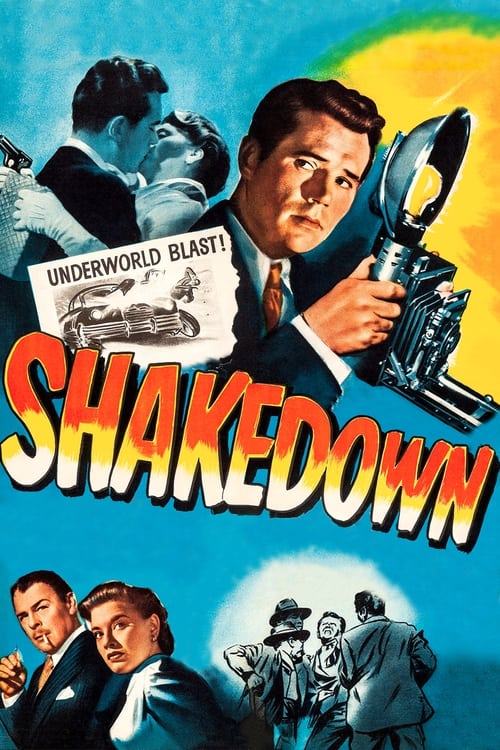
Shakedown is a conventional mid-century crime thriller that relies heavily on traditional hierarchies. The narrative structure is built around masculine leadership, criminal rivalry, and institutional norms of the era. The film lacks multi-layered complexity, focusing instead on a protagonist's climb through male-dominated professional and criminal circles. This results in a narrow social scope that mirrors the standard cinematic constraints of 1950. Ultimately, the work functions as a standard genre piece without attempting to disrupt social clichés or provide diverse representation.
Category Breakdown
The film does not include any LGBTQ+ characters or narratives that challenge the assumption that everyone is straight or cisgender. It follows the strict social codes of 1950s crime thrillers.
The story centers on a male-dominated hierarchy of photographers and crime bosses. There is no indication of women taking a leading role or challenging traditional male power dynamics.
The narrative focuses on Anglo-centric crime syndicates and professional hierarchies. It reflects the homogeneous casting norms typical of the early 1950s.
The film operates within conventional moral boundaries of the period. It emphasizes individual ambition and personal tenacity rather than critiques of systemic or cultural institutions.
No characters with visible or invisible disabilities are mentioned. The plot remains focused on the interpersonal power struggles between the central male figures.
Present on Screen
Limited or Absent
Official Synopsis
Jack Early is a photographer who will stop at nothing to climb his way to the very top of the success ladder. On the strength of his sheer tenacity, he gets a job with a major newspaper, and it's not long before he's made a name for himself by charming a notorious crime boss, Nick Palmer, into allowing himself to be photographed. Palmer takes him under his wing, but Early decides to bite the hand that feeds him and sets Palmer and another crime boss, Colton, against one another.
1956
1961
1950
1950
1939
1949
1957

1953
No reviews yet. Be the first to share your thoughts on this movie!
Use the rating form above to leave a star rating and optional review.