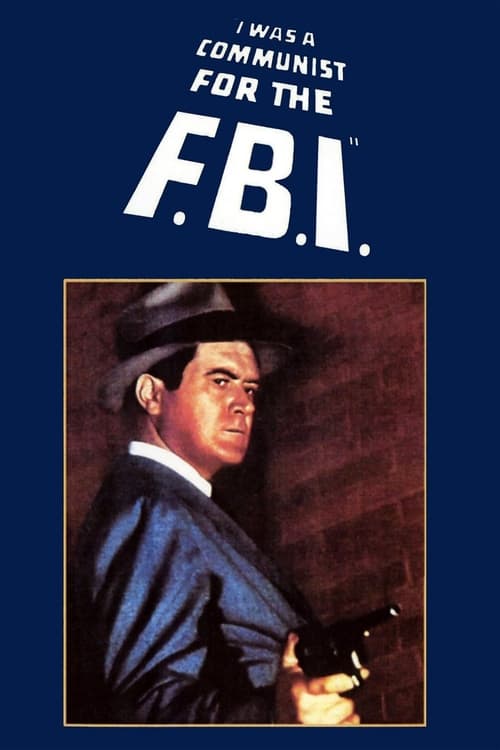
I Was a Communist for the FBI
1951
No user ratings available yet
Representation score: 0.3 out of 10
Representation Score
Minimal
1951
NRDirector
Bretaigne Windust
Runtime
87 minutes
Average Rating
No ratings yetNew Showbiz Analysis
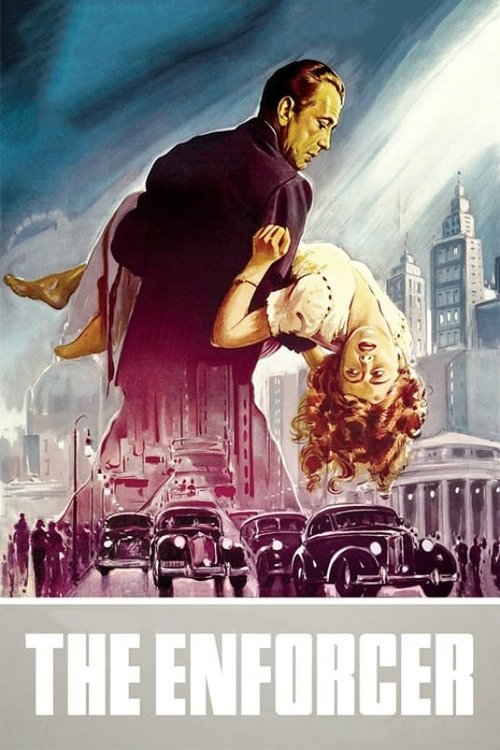
The Enforcer is a classic mid-century procedural noir that emphasizes traditional authority and social hierarchies. Its narrative structure adheres closely to the genre standards of 1951, which limits its capacity for diverse representation or social critique. The film does not aim to challenge gender, racial, or institutional norms, instead reinforcing the conventions of its time.
Category Breakdown
The film follows strict 1950s standards and does not include any representations of LGBTQ+ identities or same-sex relationships. Traditional gender roles are upheld without any subversion.
The narrative focuses mainly on the male protagonist, who drives the story. Female characters are mostly in supporting or domestic roles and lack significant independence.
The cast is homogeneous, reflecting the demographics of mid-century urban settings. There are no non-white characters with substantial roles or ability to act.
The story upholds traditional Western values and presents a clear moral divide favoring the legal system and authority figures.
There are no depictions of physical or neurodivergent disabilities. Characters are portrayed as having typical physical abilities.
Present on Screen
Limited or Absent
Official Synopsis
After years of investigation, Assistant District Attorney Martin Ferguson has managed to build a solid case against an elusive gangster whose top lieutenant is about to testify.
1951

1953
1949
1949
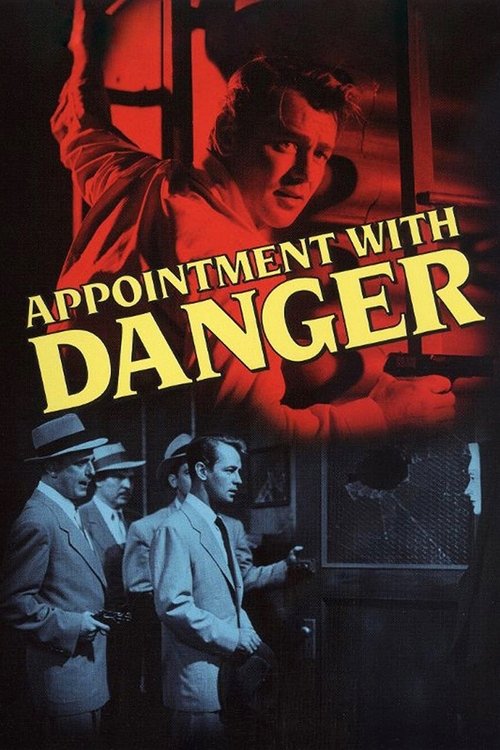
1950
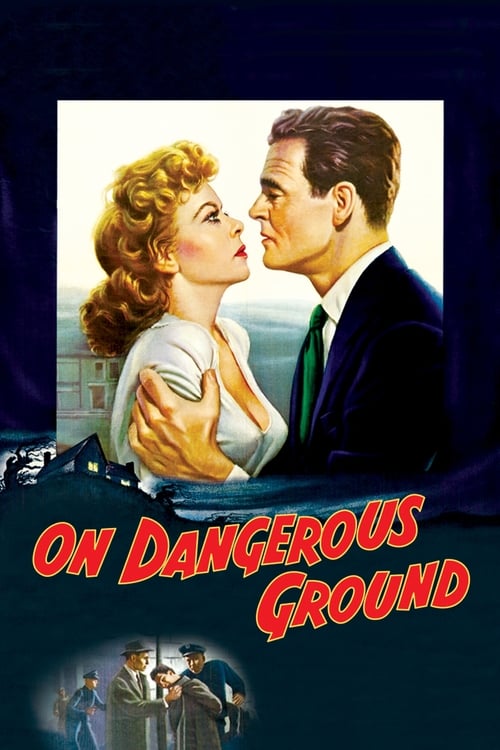
1951
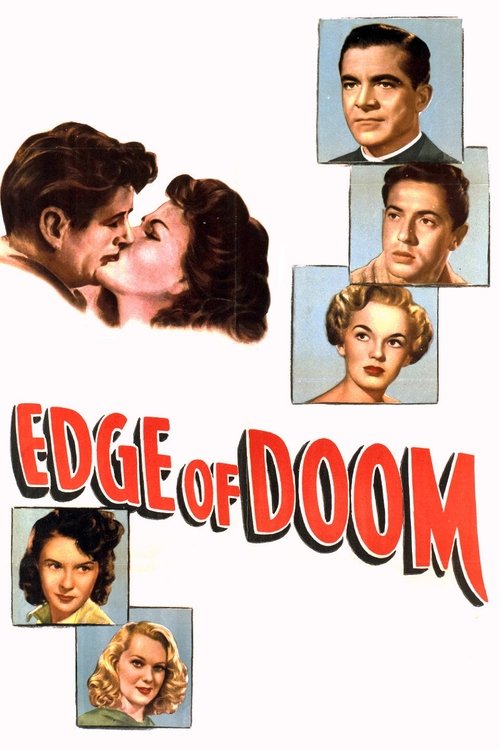
1950
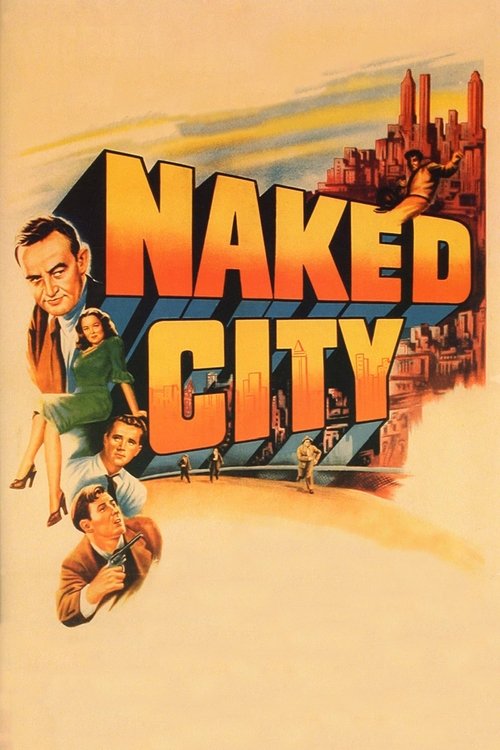
1948
No reviews yet. Be the first to share your thoughts on this movie!
Use the rating form above to leave a star rating and optional review.