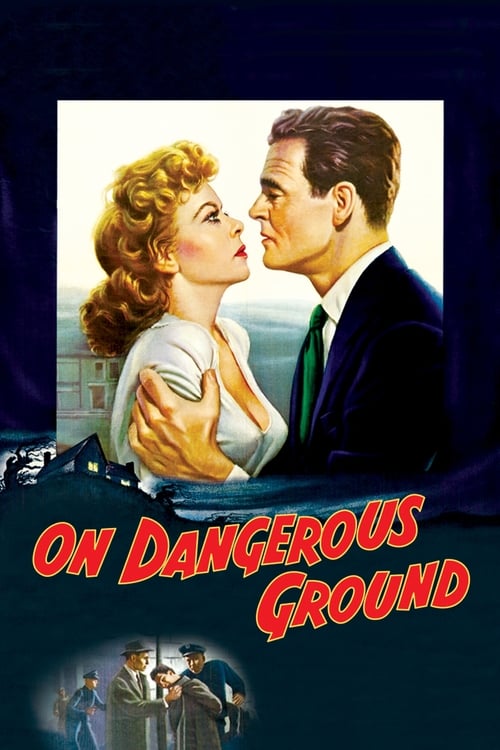
On Dangerous Ground
1951
No user ratings available yet
Representation score: 4.7 out of 10
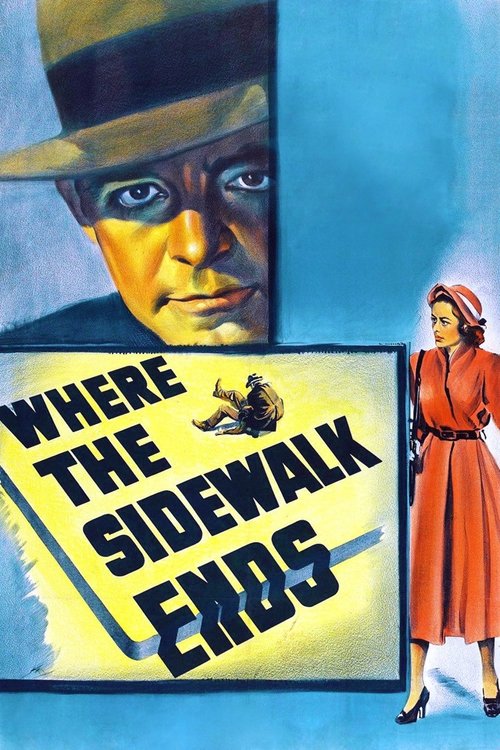
Representation Score
Limited
1950
NRDirector
Otto Preminger
Runtime
95 minutes
Average Rating
No ratings yetNew Showbiz Analysis
Where the Sidewalk Ends is a traditional film noir that lacks diversity in terms of race and sexual orientation. The cast is largely homogeneous, reflecting the era's casting practices. However, the film is narratively progressive for its time. It moves away from simple binaries of good versus evil, focusing instead on systemic corruption and the moral gray areas of urban life. By challenging the 'heroic cop' cliché and emphasizing moral relativism, the film achieves a level of intellectual complexity that goes beyond its limited demographic representation.
Category Breakdown
The film does not include any LGBTQ+ characters or explore non-straight identities. The social context adheres strictly to the heterosexual norms of the 1950s.
Female characters, especially the femme fatale portrayed by Audrey Totter, play significant roles in driving the plot through their intellectual strategies. Despite a male-dominated investigative framework, women are primary catalysts of tension.
The film features a predominantly white, urban cast with minimal diversity. There is no significant representation of minority groups or evidence of color-blind casting in the main storyline.
The film critiques Western institutions by depicting law enforcement as morally ambiguous and corrupt. It avoids simplistic morality, presenting a nuanced view of justice.
The film does not depict any characters with visible or invisible disabilities.
Present on Screen
Limited or Absent
Official Synopsis
A police detective's violent nature keeps him from being a good cop.
1951
1955

2010
1952

2006
1953

1953
1947
No reviews yet. Be the first to share your thoughts on this movie!
Use the rating form above to leave a star rating and optional review.