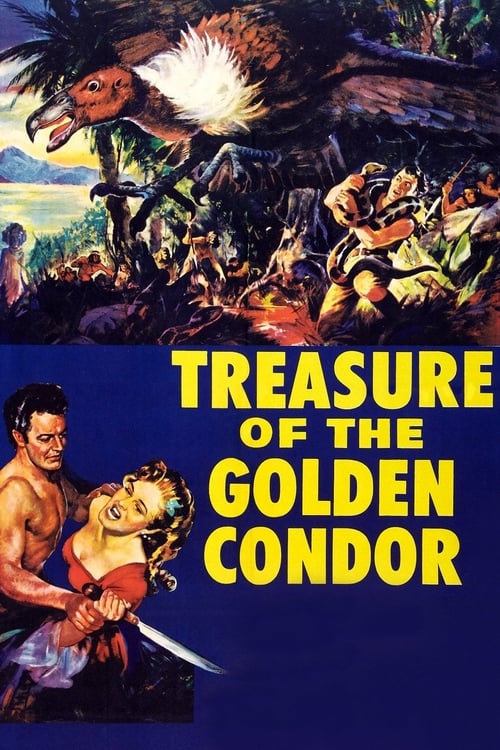
Treasure of the Golden Condor
1953
No user ratings available yet
Representation score: 0.5 out of 10

Representation Score
Limited
1953
NRDirector
John Farrow
Runtime
81 minutes
Average Rating
No ratings yetNew Showbiz Analysis
Plunder of the Sun serves as a mid-century exploration of the tension between Western materialism and indigenous spirituality. It employs moral relativism to complicate traditional adventure narratives, emphasizing the ethical decline of European protagonists. While the film offers a foundational critique of colonialist values, it falls short of contemporary standards for diverse representation and multi-layered depth.
Category Breakdown
The film does not include any characters with LGBTQ+ identities or dynamics outside of traditional heterosexual relationships.
While following the gender roles typical of the 1950s, the film challenges the damsel-in-distress stereotype through Audrey Hepburn's character. She plays a significant role in driving the story's moral decisions.
The narrative is influenced by a colonial perspective, using indigenous characters mainly as a backdrop for the white protagonists. However, it avoids extreme stereotypes by portraying the local population as a source of spiritual stability.
The film criticizes the destructive nature of colonial greed by contrasting Western exploitation with indigenous belief systems. It portrays the pursuit of material wealth as a corrupting influence on the 'civilized' world.
No significant depictions of visible or invisible disabilities are identified within the primary character arcs.
Present on Screen
Limited or Absent
Official Synopsis
An American insurance adjuster, stranded in Havana, becomes involved with an archaeologist and a collector of antiquities in a hunt for treasure in the Mexican ruins of Zapoteca.
1953

1950

1954

1964

1957

1991

1952

1955
No reviews yet. Be the first to share your thoughts on this movie!
Use the rating form above to leave a star rating and optional review.