Lana: Queen of the Amazons
1964
No user ratings available yet
Diversity score: 2.8 out of 10

1957
ApprovedDirector
Lee Robinson, Marcello Pagliero
Runtime
93 minutes
Average Rating
No ratings yetSynopsis
Steve McAllister, an Australian official for The New Guinea Administration, gets orders to investigate an oil discovery by Ned 'Shark-Eye' Kelly in the interior. He selects his native policeman, Sergeant-Major Towalaka, to accompany him on his "walk into hell" and then finds that a French lady doctor, Louise Dumurcet, is to go with them part of the journey. They find the malaria-stricken Jeff Clayton in a deserted village and he joins the trek. They are captured by jungle-natives but are released after Dr. Dumurcet cures the fever-stricken children of the chief.
Overall Score
Limited
Category Breakdown
LGBTQ+ Representation
The film lacks LGBTQ+ characters or narratives addressing non-cisnormative identities. It adheres to the standard romantic and social structures typical of 1950s cinema.
Gender Representation
Dr. Louise Dumurcet provides professional agency through her medical expertise. However, the narrative remains centered on a male-led expedition, maintaining a traditional hierarchy.
Racial & Ethnic Diversity
Sergeant-Major Towalaka provides indigenous representation, but the story reinforces colonial power dynamics. Indigenous groups primarily serve as obstacles or recipients of Western medical aid.
Religious & Cultural Diversity
The story reinforces Western institutional presence and the concept of a civilizing mission. It lacks any critique of Western or capitalist structures.
Disability Representation
Malaria is depicted as a temporary medical crisis to be solved. The film does not explore long-term disability or neurodivergence.
Strengths
Areas for Improvement
AI Analysis
Walk Into Paradise is a quintessential mid-century colonial adventure. While it includes a professional female lead and indigenous characters, these elements function within a rigid hierarchy that prioritizes Western authority. The film relies on established tropes of the era, positioning Western characters as the primary agents of change and management in an 'untamed' environment. This reinforces a traditional colonial worldview rather than challenging it. Ultimately, the narrative architecture serves to uphold the status quo of the 1950s, using medical and administrative expertise to justify the presence of colonial officials.
1964

1951
1959
1956
1968

1955
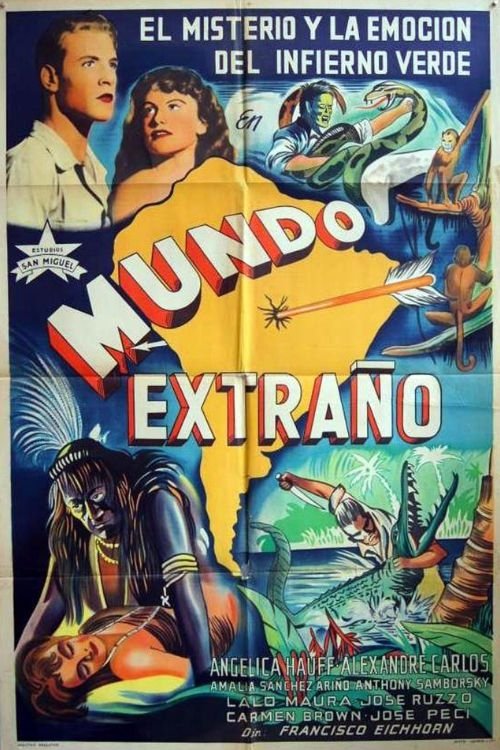
1950
1938
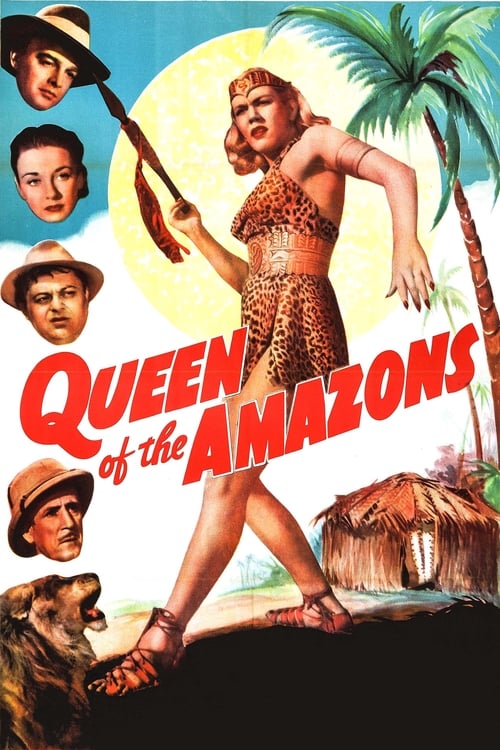
1947
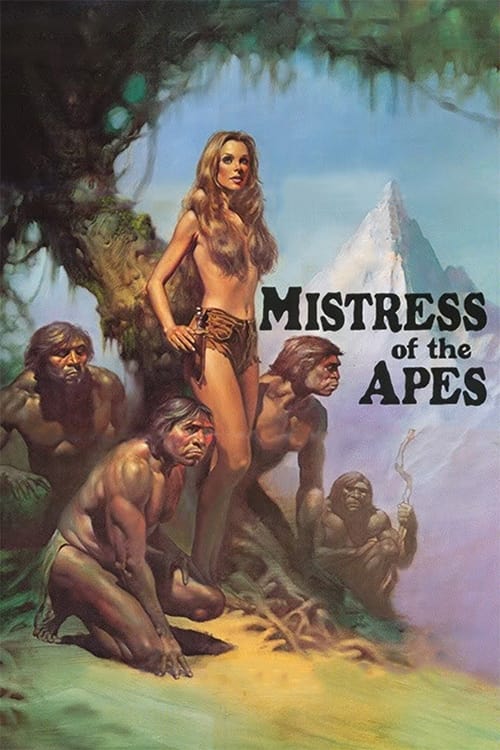
1979
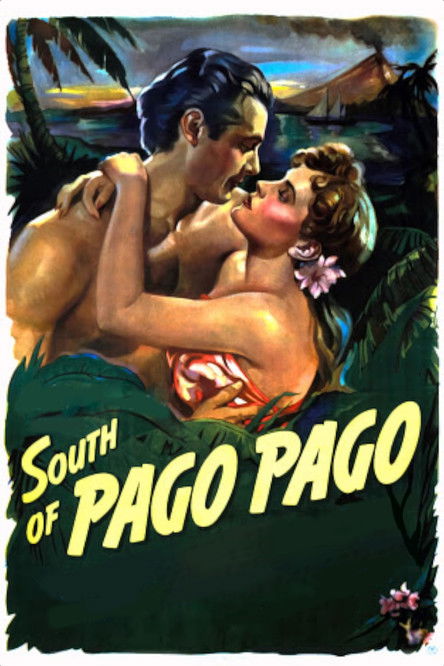
1940
1953
No reviews yet. Be the first to share your thoughts on this movie!
Use the rating form above to leave a star rating and optional review.