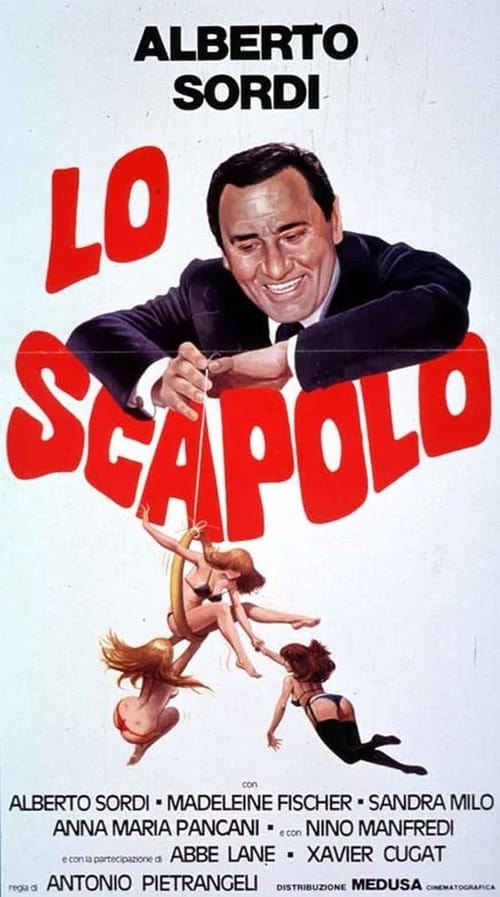
The Bachelor
1955
No user ratings available yet
Diversity score: 2.6 out of 10
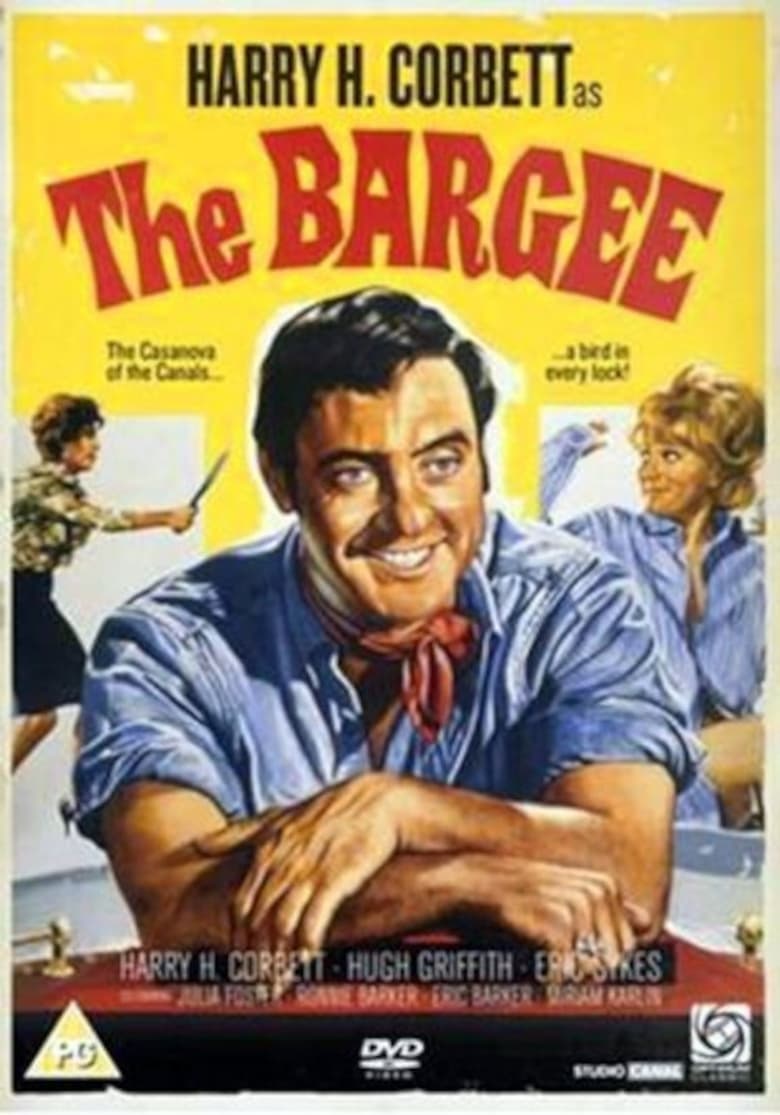
1964
Director
Duncan Wood
Runtime
102 minutes
Average Rating
No ratings yetSynopsis
After a lock-keeper entrusts his daughter to a canal Casanova, he is shocked to learn that she is pregnant. He then refuses to open his locks - causing barges to pile up in every direction until the guilty party confesses.
Overall Score
Limited
Category Breakdown
LGBTQ+ Representation
The film focuses on a heteronormative conflict centered on pregnancy and courtship. There is no evidence of non-cisnormative identities or critiques of traditional romantic structures.
Gender Representation
The narrative relies on traditional gendered tropes. While the daughter is a central catalyst, her agency is framed by her reproductive status and the reactions of male authority figures.
Racial & Ethnic Diversity
Reflecting the homogeneous demographic norms of 1964 British comedy, the film lacks a diverse ensemble. There is no indication of casting that disrupts the period's standard social compositions.
Religious & Cultural Diversity
The plot reinforces traditional morality and social accountability. The resolution focuses on restoring order and addressing social transgressions through conventionalist storytelling.
Disability Representation
There is no information available regarding the inclusion of characters with visible or invisible disabilities.
Strengths
Areas for Improvement
AI Analysis
The Bargee is a conventional mid-century comedy that adheres strictly to the social hierarchies and narrative structures of its era. The plot is driven by patriarchal authority and traditional moral consequences, offering little room for subversion. Representation is limited by the film's reliance on established tropes. The central conflict revolves around a breach of social decorum, which reinforces rather than challenges the status quo of the 1960s. Ultimately, the film lacks intersectional depth. It functions as a period-typical comedy that prioritizes the restoration of social order over the exploration of diverse identities or complex social critiques.
1955
1932
1969
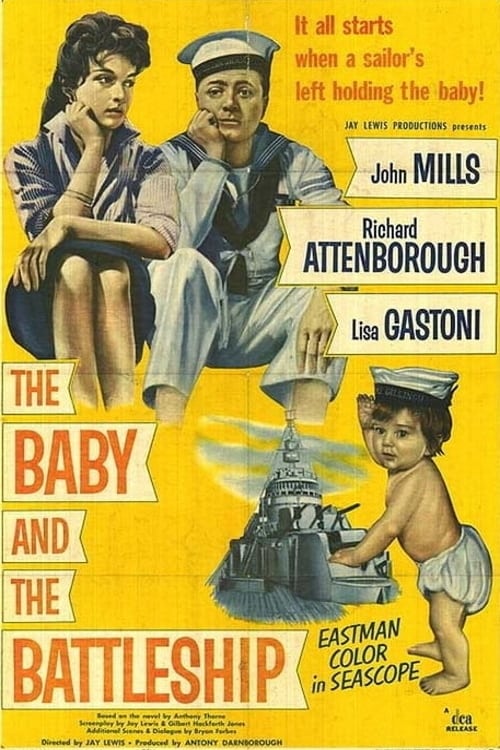
1956
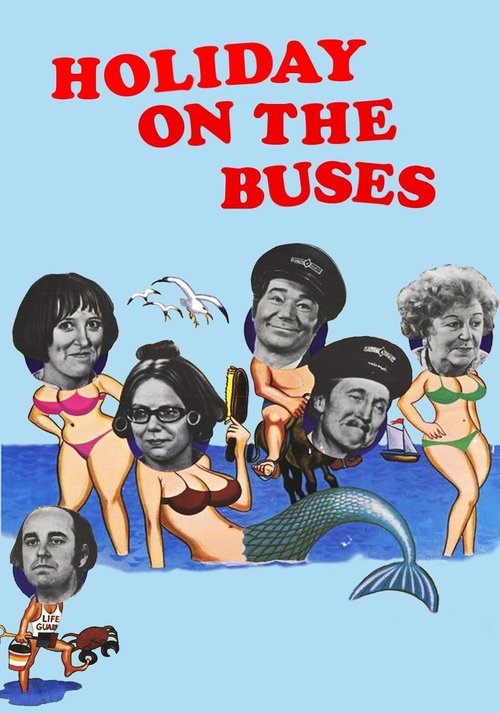
1973
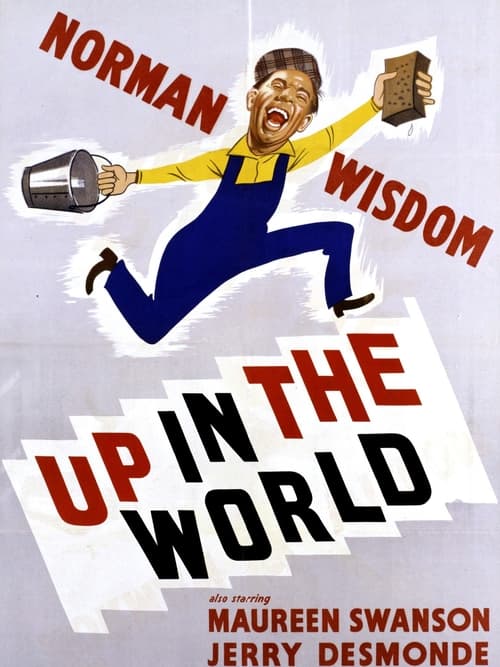
1956
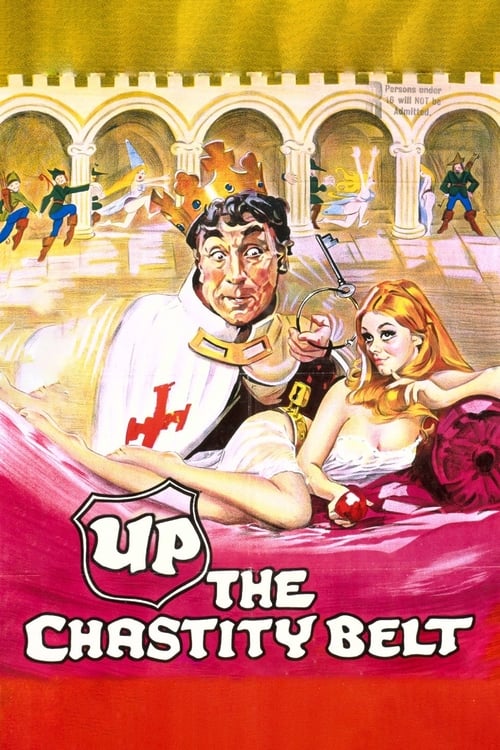
1972

1976
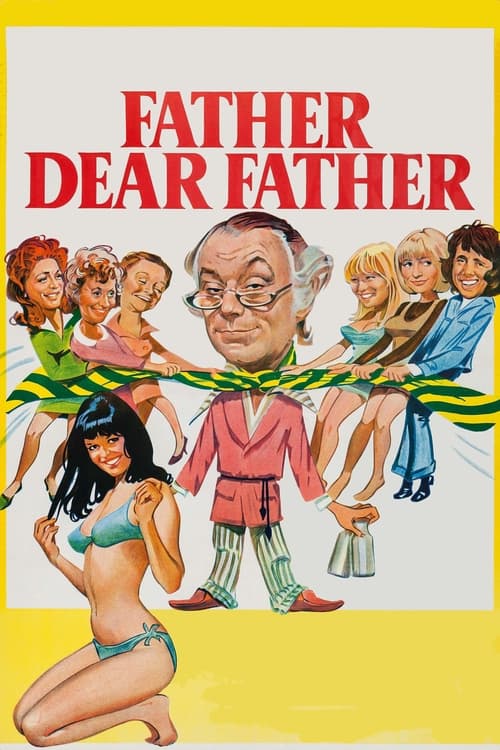
1973
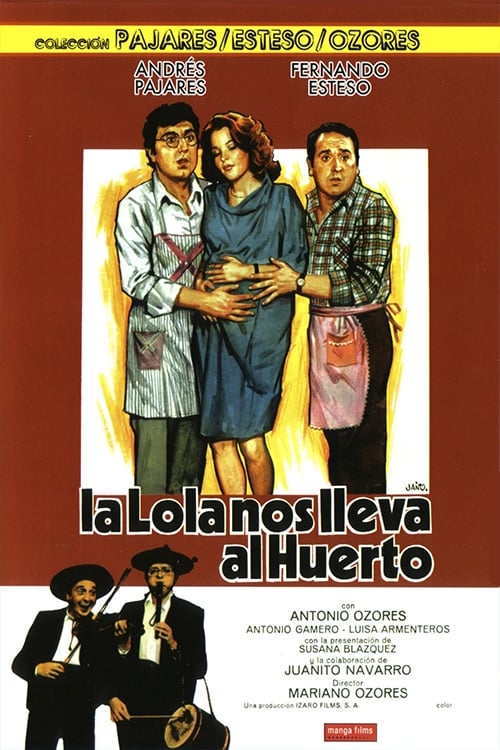
1984
1956
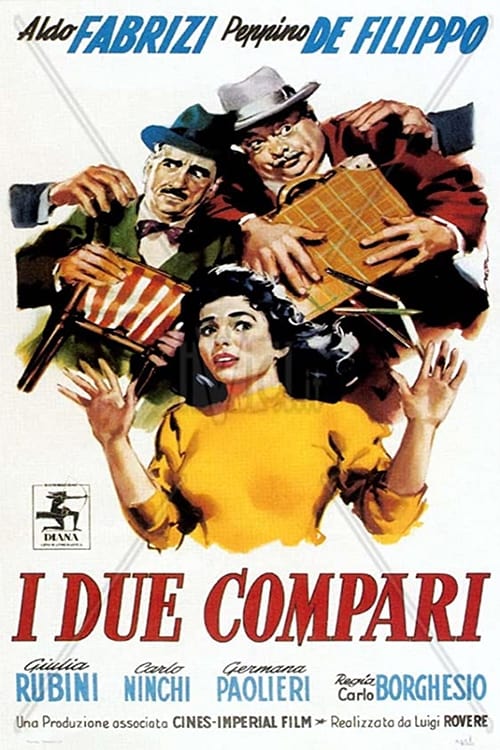
1955
No reviews yet. Be the first to share your thoughts on this movie!
Use the rating form above to leave a star rating and optional review.