
The Man from the Diners' Club
1963
No user ratings available yet
Diversity score: 3.2 out of 10
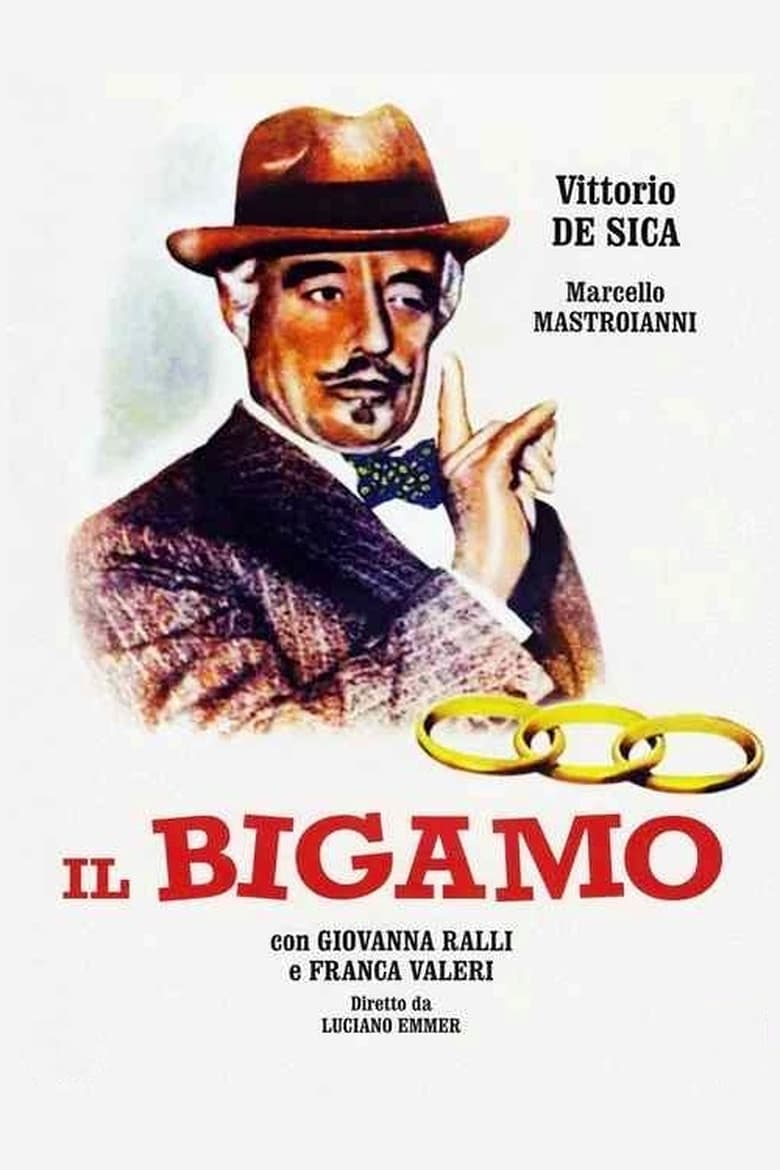
1956
Director
Luciano Emmer
Runtime
95 minutes
Average Rating
No ratings yetSynopsis
A traveling salesman is sent to prison after being accused of bigamy, while his wife and son are forced to consider leaving him permanently.
Overall Score
Limited
Category Breakdown
LGBTQ+ Representation
The film operates within a traditional heteronormative framework. There is no evidence of non-heteronormative identities or same-sex intimacy in the narrative.
Gender Representation
The story centers on a wife reacting to her husband's legal troubles. While she faces domestic upheaval, her agency appears limited by the husband's actions.
Racial & Ethnic Diversity
The film likely reflects the homogeneous demographics of mid-century Italy. There is no indication of intentional racial blending or diverse casting.
Religious & Cultural Diversity
The narrative explores the tension between individual behavior and state institutions like marriage laws. It examines the consequences of breaking social contracts.
Disability Representation
The film provides no information regarding the inclusion of characters with physical or neurodivergent disabilities.
Strengths
Areas for Improvement
AI Analysis
Luciano Emmer’s comedy focuses on the domestic and legal fallout of a salesman accused of bigamy. The film functions as a period-specific social study, prioritizing the stability of the nuclear family and the consequences of moral failure within a conventional 1950s framework. While the film engages with social institutions like the prison system and marriage laws, it lacks intersectional complexity. The narrative architecture remains constrained by the social mores of the era, focusing on individual mistakes rather than systemic disruption. Ultimately, the film serves as a character-driven look at social respectability. It adheres to traditional structures, offering a moderate engagement with social contracts without challenging broader systemic hierarchies.
1963

1960

2012

1970

1961
1952
1946

1964

1962
1940

1962
1928
No reviews yet. Be the first to share your thoughts on this movie!
Use the rating form above to leave a star rating and optional review.