
The Gardener of Argenteuil
1966
No user ratings available yet
Diversity score: 4.8 out of 10
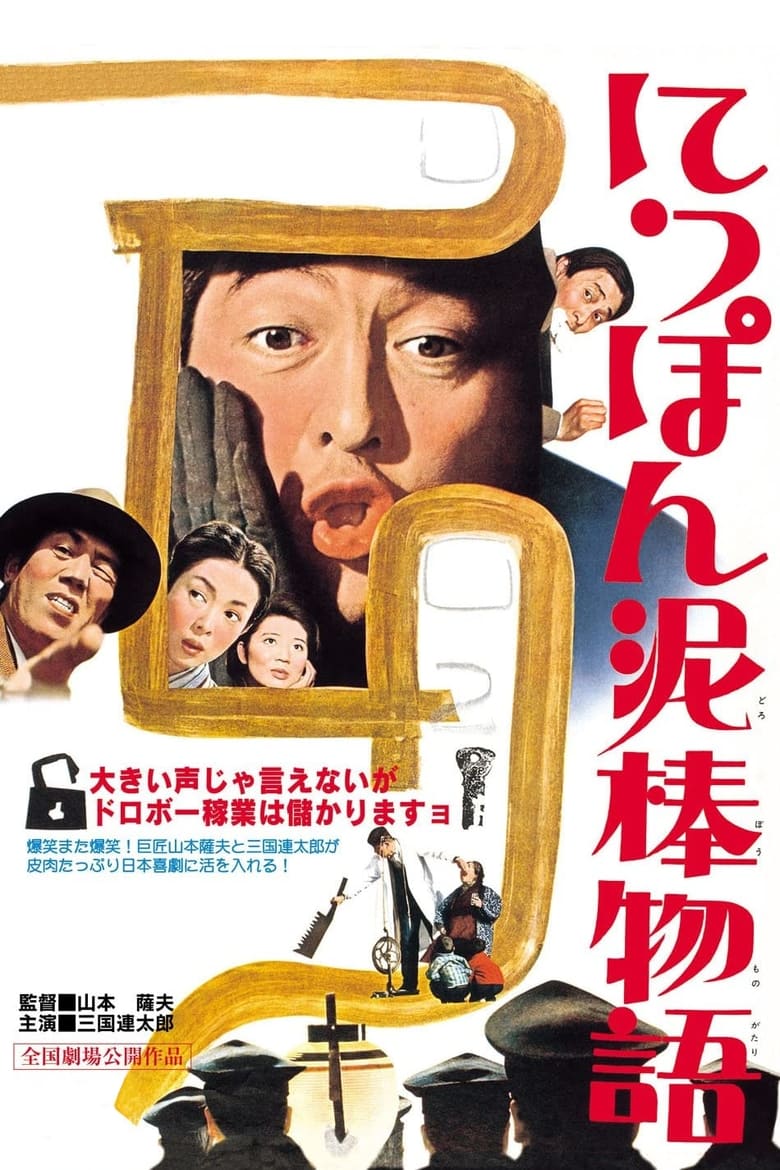
1965
Director
Satsuo Yamamoto
Runtime
117 minutes
Average Rating
No ratings yetSynopsis
Gisuke Hayashida is an illegal dentist during the day and a burglar by night. One night during a burglary he witnesses a train derailment. Some communists are found guilty of causing the incident, but he knows it wasn't them. He can save innocent people but for that he must confess his own crime.
Overall Score
Fair
Category Breakdown
LGBTQ+ Representation
The film lacks explicit evidence of LGBTQ+ characters or non-heteronormative identities. The narrative focus remains on the protagonist's struggle against legal and social structures.
Gender Representation
The story centers on a male protagonist within a male-dominated underworld. While it lacks clear female agency, it subverts patriarchal archetypes by replacing traditional heroes with morally ambiguous burglars.
Racial & Ethnic Diversity
As a localized Japanese production, it focuses on domestic social strata. It uses class-based identity to challenge the homogeneity of the ideal Japanese citizen through marginalized characters.
Religious & Cultural Diversity
The film offers a sophisticated critique of state authority and legal institutions. It positions an outlaw as a figure of truth against a corrupt or mistaken systemic apparatus.
Disability Representation
There is no visible or invisible disability portrayed as a central narrative element in this work.
Strengths
Areas for Improvement
AI Analysis
Satsuo Yamamoto’s film is a sharp social critique disguised as a crime comedy. It succeeds by using a marginalized protagonist to dismantle the perceived infallibility of state institutions and legal morality. The work excels in cultural representation by prioritizing situational ethics over rigid, state-sanctioned justice. It effectively uses class identity to explore the friction between individual survival and systemic corruption. However, the film lacks modern demographic breadth. The narrative leans heavily on a masculine-centric structure and provides no specific engagement with LGBTQ+ or disability representation.
1966
1987
1954
1969
1971
1963

1961

1968
1956
No reviews yet. Be the first to share your thoughts on this movie!
Use the rating form above to leave a star rating and optional review.