How We Robbed the Bank of Italy
1966
No user ratings available yet
Representation score: 0.7 out of 10
Representation Score
Limited
1969
PGDirector
Gérard Oury
Runtime
115 minutes
Average Rating
No ratings yetNew Showbiz Analysis
Gérard Oury’s film is a traditional crime comedy that prioritizes plot mechanics and comedic timing over social deconstruction. The narrative structure focuses on the mechanics of the heist, rather than exploring identity politics. The film reflects the standard demographic and social structures of late-1960s European cinema. While it features a large ensemble cast, it lacks the intentionality needed to disrupt social hierarchies or provide representation that reflects multiple aspects of identity. Ultimately, the work functions as a genre piece of its era, adhering to the period's conventional archetypes and demographic expectations.
Category Breakdown
The film stays within the social norms of 1969. There is no representation of LGBTQ+ identities or narratives that challenge the assumption that everyone is straight or cisgender.
The heist storyline focuses on male characters. Women are limited to traditional comedic supporting roles without challenging established gender hierarchies.
The story follows a European transit route between Paris and Brussels. It lacks efforts to include actors from diverse backgrounds or disrupt Eurocentric demographic norms.
The film uses the heist cliché for comedic escapism rather than social critique. It does not prioritize secularism or moral relativism as social commentary.
There is no visible evidence of characters with physical or neurodivergent disabilities. No characters with disabilities are portrayed with meaningful control over their actions.
Present on Screen
Limited or Absent
Official Synopsis
Arthur and Anatole are two little robbers. They want to rob money, money that will travel in a special train from Paris to Bruxelles. They don't know that other people have planned to do the same thing.
1966

1972
1989
1972

2006
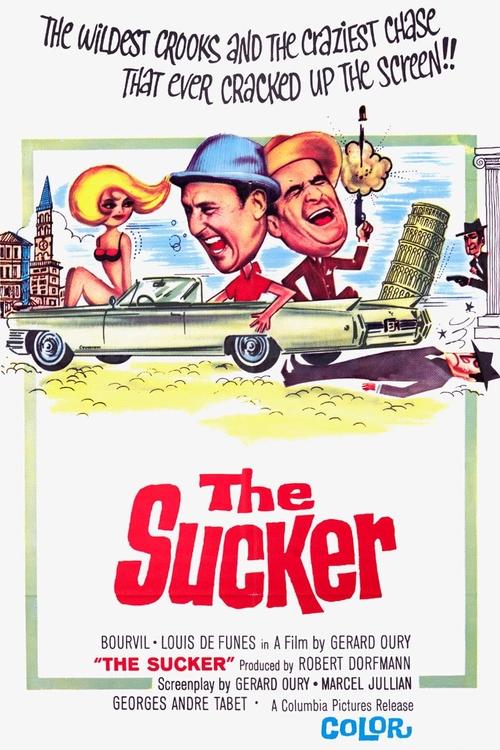
1965
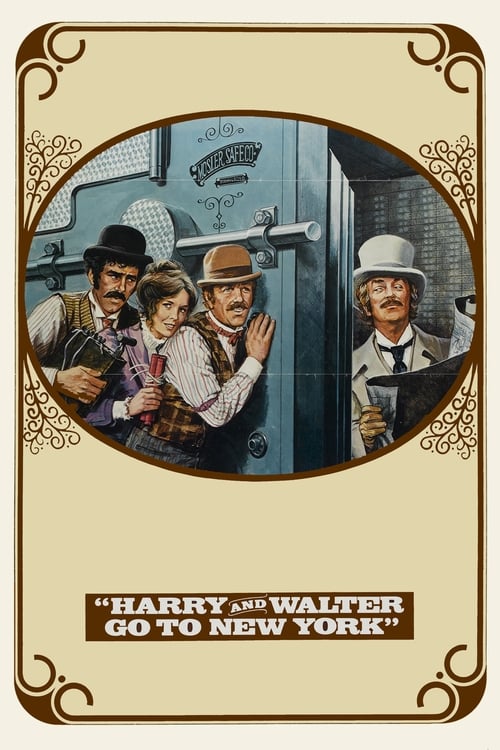
1976
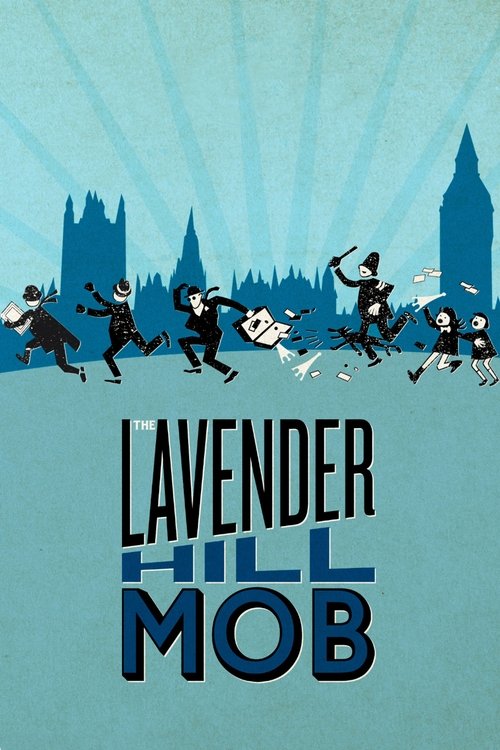
1951
No reviews yet. Be the first to share your thoughts on this movie!
Use the rating form above to leave a star rating and optional review.