Find another title
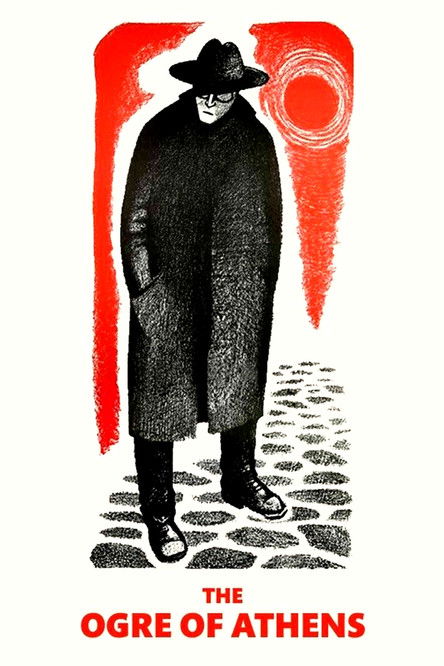
The Ogre of Athens
1956
Director
Nikos Koundouros
Runtime
104 minutes
Average Rating
No ratings yetSynopsis
On New Year’s Eve, a timid bank clerk is mistaken for a notorious criminal mastermind who rules the streets of Athens. Embracing his mistaken identity comes with a price though, as his unwitting white lie begins to unravel.
Where to Watch
Diversity & Representation
Overall Score
Limited
Category Breakdown
LGBTQ+ Representation
The film lacks any evidence of non-heteronormative identities or same-sex intimacy. It adheres to the traditional social structures typical of 1956 Greek cinema.
Gender Representation
The narrative focuses on male-dominated hierarchies and the performance of masculine power. There is no indication of female characters possessing high agency or subverting gender roles.
Racial & Ethnic Diversity
Set in Athens, the film reflects the demographic homogeneity of mid-century Greece. It lacks a multi-ethnic cast or diverse non-Mediterranean identities.
Religious & Cultural Diversity
The story engages with the deconstruction of social roles through a mistaken identity. It critiques how societal masks and class-based identities dictate one's place in the urban hierarchy.
Disability Representation
There is no documented evidence regarding the portrayal of physical or neurodivergent disabilities in this work.
Strengths
- The narrative offers a sophisticated critique of how social masks and perceived identities dictate one's position within an urban hierarchy.
- The central conceit provides a subtle disruption of fixed social roles through the protagonist's accidental assumption of a criminal persona.
Areas for Improvement
- The film lacks representation of LGBTQ+ identities or non-heteronormative social structures.
- The narrative is heavily centered on male-dominated hierarchies with little evidence of female agency.
- The casting reflects a high degree of demographic homogeneity typical of its era and location.
AI Analysis
The film operates as a character study within a traditional mid-century crime framework. While it explores the fluidity of identity and how social performance can reshape a person's persona, it remains tethered to the conventional hierarchies of 1950s Mediterranean cinema. Its primary strength lies in its subtle critique of social order and the rigidity of class. However, the work lacks modern intersectional markers, focusing heavily on male agency and localized demographic standards.
Rate this Movie
Reviews
No reviews yet. Be the first to share your thoughts on this movie!
Use the rating form above to leave a star rating and optional review.