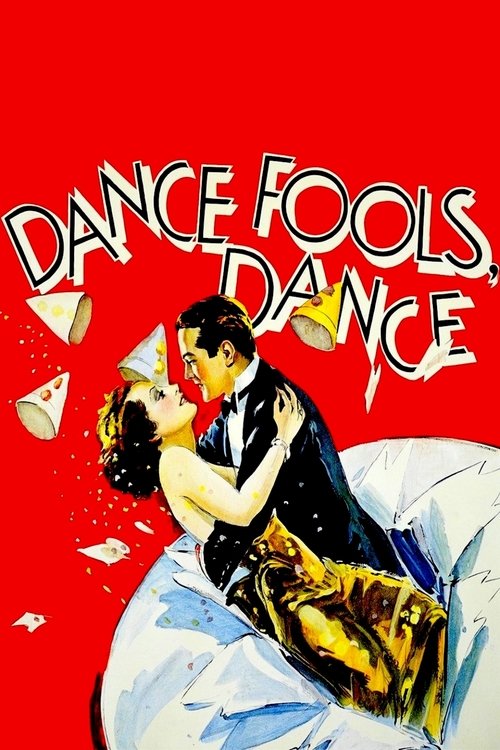
Dance, Fools, Dance
1931
No user ratings available yet
Representation score: 2.6 out of 10

Representation Score
Minimal
1940
NRDirector
Henry Hathaway
Runtime
94 minutes
Average Rating
No ratings yetNew Showbiz Analysis
Johnny Apollo is a classic example of Hollywood cinema from the mid-20th century, emphasizing genre storytelling over social disruption. The narrative upholds mid-century norms, focusing on a male protagonist's descent into crime and his moral dilemmas. The film lacks depth in representing multiple aspects of identity, presenting a homogeneous cast and adhering to traditional gender and social hierarchies. While it touches on class conflict, it does so through individual actions rather than broader systemic issues. Ultimately, Johnny Apollo serves as a typical crime melodrama that maintains the demographic and social structures of its time.
Category Breakdown
The film does not include any non-cisgender identities or same-sex relationships, focusing instead on traditional male-female romance.
The film portrays gender roles typical of the 1940s, where women are shown in supportive, moral roles while men dominate criminal and social activities.
The cast is predominantly white, reflecting the era's homogeneity. The story focuses on socioeconomic differences rather than diverse ethnic backgrounds.
The story explores class tensions between the criminal underworld and high society. It centers on individual morality rather than systemic issues.
The film does not depict any physical, sensory, or neurodivergent disabilities. Characters are portrayed using standard physical types common to the crime genre.
Present on Screen
Limited or Absent
Official Synopsis
Wall Street broker Robert Cain, Sr., is jailed for embezzling. His college graduate son Bob then turns to crime to raise money for his father's release. As assistant to mobster Mickey Dwyer, then falls for Dwyer's girl Lucky. He winds up in the same prison as his father.
1931

1952

1932
1941
1930
1949
1950

1937
No reviews yet. Be the first to share your thoughts on this movie!
Use the rating form above to leave a star rating and optional review.