
Johnny Apollo
1940
No user ratings available yet
Representation score: 0.9 out of 10
Representation Score
Limited
1931
NRDirector
Harry Beaumont
Runtime
78 minutes
Average Rating
No ratings yetNew Showbiz Analysis
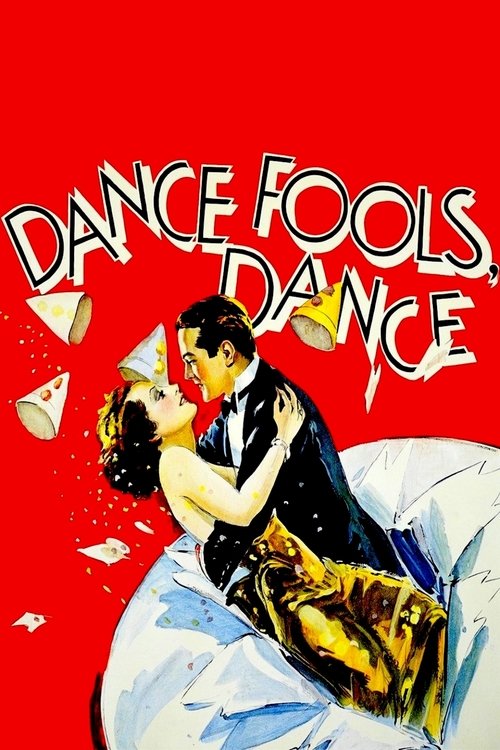
Dance, Fools, Dance is a product of its Pre-Code era, reflecting the social constraints of 1931. While it lacks depth in addressing multiple aspects of identity, it offers interesting insights into evolving gender roles through its female protagonist. The film's primary strength lies in its portrayal of female independence. Bonnie Jordan's professional competence and wit challenge the submissive female archetypes often seen in later cinematic eras. However, the film remains limited by the era's social hierarchies. It lacks racial diversity and does not represent LGBTQ+ individuals or people with disabilities.
Category Breakdown
The film follows the traditional romantic structures common in early 1930s cinema, focusing on heterosexual relationships. There are no characters with non-cisgender identities or same-sex intimacy.
Bonnie Jordan challenges traditional gender roles through her role as a witty, independent reporter. Her professional independence provides a nuanced departure from more passive feminine stereotypes.
The story centers around Chicago's upper-class society with a largely homogeneous cast. There are no diverse characters driving the narrative.
The plot explores the tension between high-society stability and the criminal underworld. It touches on the fragility of wealth without a deeper systemic critique.
There are no characters with visible or invisible disabilities. The film does not use disability as a plot device or include neurodivergent characters.
Present on Screen
Limited or Absent
Official Synopsis
When misfortune hits hard on the Jordan family of Chicago's upper class, Bonnie Jordan, a dazzling and witty girl, finds a job as an aspiring reporter; however, her naive younger brother Rodney takes a twisted path and gets involved with the wrong people.
1940
1933

1932
1931
1930

1951

1932
1940
No reviews yet. Be the first to share your thoughts on this movie!
Use the rating form above to leave a star rating and optional review.